Giant Knotweed
Reynoutria Sachalinensis
Medicinal Facts
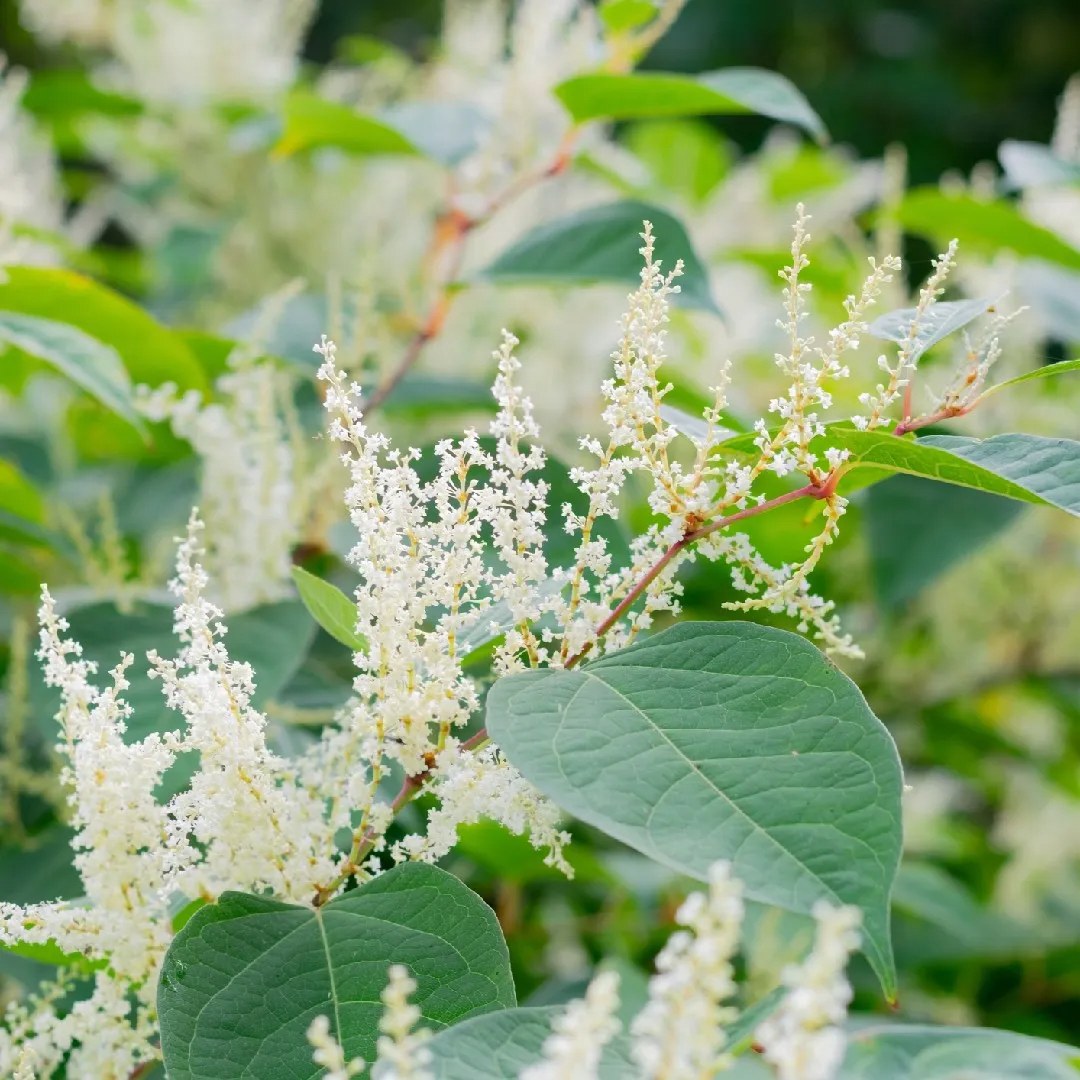
Reynoutria sachalinensis, or Giant Knotweed, is primarily known for its high resveratrol content, a polyphenolic compound with significant antioxidant and anti-inflammatory properties. This plant sits at the intersection of traditional Asian medicine, where it has been used for its tonic and detoxifying properties, and modern pharmacological research focused on longevity and cardiovascular health. Its resveratrol content links it to studies on sirtuin activation and cellular aging, while its traditional uses emphasize its role in supporting immune function and vitality. The plant's robust phytochemical profile also includes emodin and other anthraquinones, contributing to its diverse therapeutic potential.
What it helps with
Longevity & cellular aging
Resveratrol in Reynoutria sachalinensis activates SIRT1, a sirtuin involved in cellular stress resistance and longevity. It also influences PGC-1a, enhancing mitochondrial biogenesis and function, and affects telomerase (TERT) to maintain telomere length. These actions collectively support cellular health and longevity, with evidence primarily from in vitro and animal studies.
Cardiovascular health
Resveratrol modulates endothelial nitric oxide synthase (eNOS) activity, promoting vasodilation and improving endothelial function. It also inhibits LDL oxidation, reducing atherosclerotic risk. Human trials have shown resveratrol's potential to improve vascular health markers, although results vary with bioavailability being a key challenge.
Immune support
Traditionally used to boost immune function, Reynoutria sachalinensis contains emodin, which modulates immune responses by inhibiting NF-kB and reducing pro-inflammatory cytokines like TNF-a and IL-6. These effects have been observed in preclinical models, supporting its role in immune modulation.
Antimicrobial activity
The plant's anthraquinones, including emodin, exhibit antimicrobial properties by disrupting microbial cell membranes and inhibiting key enzymes. These compounds have shown efficacy against a range of bacteria and fungi in vitro, positioning the plant as a potential natural antimicrobial agent.
Anti-inflammatory effects
Resveratrol and emodin both inhibit the NF-kB pathway, reducing the expression of inflammatory mediators. This dual action has been demonstrated in various preclinical models, suggesting potential benefits in conditions characterized by chronic inflammation.
Metabolic health
Resveratrol activates AMPK, a key regulator of energy metabolism, which enhances insulin sensitivity and reduces hepatic glucose production. These effects have been supported by animal studies, with some human trials indicating potential benefits in metabolic syndrome management.
Neuroprotection
Resveratrol crosses the blood-brain barrier and exerts neuroprotective effects by reducing oxidative stress and inflammation in the brain. It may also enhance brain-derived neurotrophic factor (BDNF) levels, supporting cognitive function. Evidence is predominantly from animal studies, with human data still emerging.
Skin health
Topical applications of Reynoutria sachalinensis extracts, rich in resveratrol and emodin, promote wound healing and exhibit anti-inflammatory effects. These compounds enhance collagen synthesis and modulate TGF-beta signaling, aiding in the repair of damaged skin. Evidence is primarily from preclinical research.
Key active compounds
Resveratrol
A polyphenol that activates SIRT1, modulates NF-kB, and enhances eNOS activity. It is known for its poor bioavailability, which has led to the development of various formulations to enhance absorption.
Emodin
An anthraquinone with anti-inflammatory and antimicrobial properties. It inhibits NF-kB and modulates immune responses, contributing to the plant's therapeutic effects.
Polydatin
A glucoside form of resveratrol with better water solubility and bioavailability. It shares similar antioxidant and anti-inflammatory properties, acting as a precursor to resveratrol in the body.
Anthraquinones
A class of compounds including emodin, known for their laxative and antimicrobial effects. They disrupt microbial cell walls and inhibit key enzymes, providing broad-spectrum antimicrobial activity.
Stilbenes
A group of phenolic compounds that include resveratrol. They exhibit antioxidant, anti-inflammatory, and potential anti-cancer properties, contributing to the plant's overall health benefits.
Tannins
Polyphenolic compounds with astringent properties, contributing to the plant's antimicrobial and wound-healing effects. They bind to proteins and other organic compounds, influencing their biological activity.
Flavonoids
A diverse group of phytochemicals with antioxidant and anti-inflammatory actions. They modulate various signaling pathways, enhancing the plant's therapeutic potential.
What the research says
Research on Reynoutria sachalinensis focuses heavily on its resveratrol content, with numerous studies exploring its effects on longevity, cardiovascular health, and metabolic regulation. Human trials have highlighted its potential in improving vascular function and metabolic parameters, although bioavailability remains a significant hurdle. Preclinical studies dominate the landscape for its antimicrobial and neuroprotective effects, with emodin and other anthraquinones showing promise in these areas. The main limitation across studies is the poor bioavailability of resveratrol, which is addressed through the use of derivatives like polydatin and advanced delivery systems such as nanoparticles and liposomal formulations to enhance systemic absorption and efficacy.
Typical dosage
For tinctures, a common dosage is 20-30 drops in water or juice, taken 2-3 times daily. Capsules typically contain 500 mg of extract, with a recommended dosage of 1-2 capsules per day. For a decoction, use 1-2 teaspoons of dried root per cup of water, simmer for 20 minutes, and consume up to twice daily. Always start with the lowest dose and consult a healthcare provider for personalized advice.
About Giant Knotweed
Traditional Use
Preparations & Dosage
Preparations
- Tincture: Combine 1 part dried Giant Knotweed root with 5 parts alcohol (such as vodka) in a glass jar. Seal tightly and store in a cool, dark place for 4-6 weeks, shaking daily. Strain through a fine mesh or cheesecloth into a clean bottle.
- Capsule: Purchase standardized Giant Knotweed extract capsules. Follow the manufacturer's instructions for dosage, typically 500 mg per capsule.
- Decoction: Place 1-2 teaspoons of dried root in a pot with 1 cup of water. Bring to a boil, then reduce heat and simmer for 20 minutes. Strain and drink warm.
Interactions & Warnings
Use with caution
Reynoutria sachalinensis, or Giant Knotweed, can be invasive and difficult to control in certain environments. Its use should be approached with caution, especially for individuals with known allergies to plants in the Polygonaceae family. Pregnant or breastfeeding women should consult a healthcare provider before use.
Herb Interactions
Both have anti-inflammatory properties, which could enhance effects and potentially lead to excessive reduction in inflammation.
Community Plants
Real plants of this species grown and shared by the MyFloralVault community.

More in Immune Support





Was this helpful?
0 · 0