Giant Knotweed
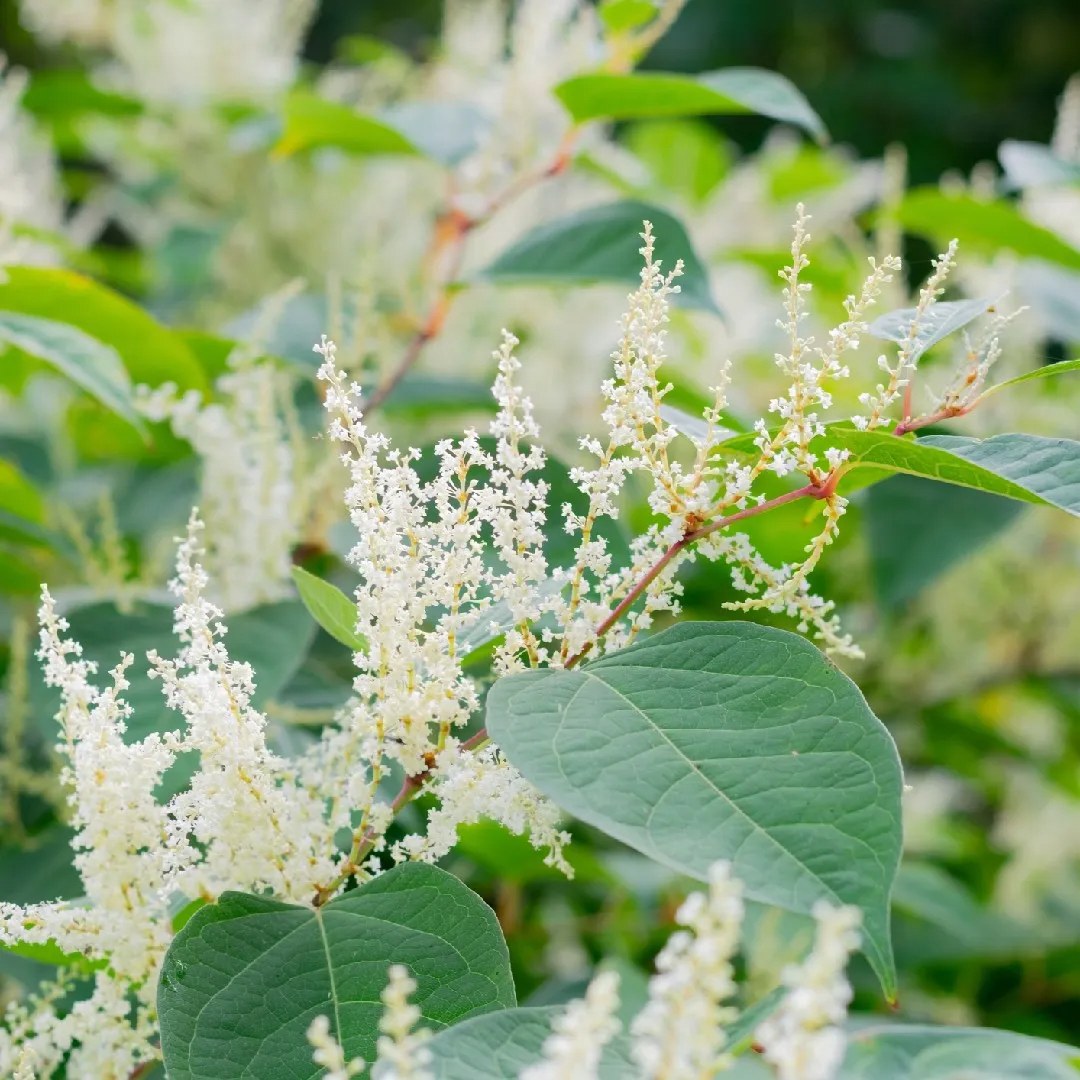
Description by @jominime
giant knotweed extract is the active ingredient in EPA-registered and EU-approved crop fungicides (Regalia® and Milsana®). it works by triggering crops' own immune defenses against fungal attack rather than directly killing fungi. it also stimulates wheat germination and early growth.
giant knotweed kills the primary cavity-causing bacteria and has broad-spectrum antibacterial and antifungal activity from its emodin content.
Giant knotweed contains 12.7 times more quercitrin than Japanese knotweed per gram of leaf.
giant knotweed is a rich source of the resveratrol family of antioxidants alongside procyanidins and catechins, the same compound classes that make red wine and dark berries cardioprotective.
compounds in giant knotweed prevent tumor growth and lung metastasis, control melanoma proliferation, and induce cancer cell death through HER2 inhibition and p53 activation.
giant knotweed's resveratrol and polydatin content activates the same metabolic and longevity pathways as berberine, improving blood sugar regulation and insulin sensitivity.
giant knotweed extract is a known elicitor of plant defenses formulated today as Regalia® Bioprotectant concentrate.
effective against fungal pathogens causing foliar diseases including powdery mildew across multiple crop species. also demonstrated stimulating effect on germination and initial growth of wheat grains.
the emodin content is used in Lyme disease treatment protocols for its ability to penetrate bacterial biofilms that Lyme bacteria hide in to resist antibiotic treatment. resveratrol and emodin from Reynoutria species are used in integrative Lyme disease treatment protocols — the emodin's bacterial topoisomerase II inhibition and biofilm disruption activity is relevant to Borrelia burgdorferi (the Lyme bacterium), which forms protective biofilms that resist conventional antibiotics.
giant knotweed reduces inflammation, fever, and pain through NF-κB inhibition and COX inhibition.
you can eat young shoots like asparagus. eat the whole plant actually. a single piece of root can establish a new colony. since it's such an aggressive grower, one should only plant this in a pot, indoors probably, and eat this as aggressively as it grows. you'll be healthier for it.
Related Plants
Plant information is for educational purposes only.