Eugenia Patrisii
Eugenia Patrisii

Medicinal Facts
Eugenia patrisii, a lesser-known member of the Myrtaceae family, is rich in phenolic compounds, particularly flavonoids and tannins, which contribute to its diverse medicinal properties. This plant sits at the intersection of traditional Amazonian medicine, where it is used for digestive and respiratory ailments, and modern pharmacological research focusing on its antioxidant and antimicrobial potential. The bioactive compounds in Eugenia patrisii are being explored for their ability to modulate oxidative stress pathways and microbial growth, making it a promising candidate for integrative health approaches. Despite its traditional roots, the scientific exploration of its mechanisms is uncovering new potential applications in health and disease management.
What it helps with
Antioxidant support
Eugenia patrisii is rich in flavonoids such as quercetin and kaempferol, which modulate the Nrf2 pathway, enhancing the expression of antioxidant enzymes like superoxide dismutase (SOD) and catalase. This action helps neutralize reactive oxygen species, reducing oxidative stress at the cellular level. Evidence from in vitro studies supports its role in protecting cells from oxidative damage.
Antimicrobial activity
The tannins present in Eugenia patrisii exhibit antimicrobial properties by disrupting microbial cell walls and inhibiting key enzymes necessary for pathogen survival. Studies, primarily in vitro, have shown efficacy against common bacterial strains such as Staphylococcus aureus and Escherichia coli, suggesting potential as a natural antimicrobial agent.
Digestive health
Traditionally used for digestive issues, Eugenia patrisii's tannins can modulate gut flora and enhance mucosal defenses by binding to proteins and forming protective layers. This action may help alleviate symptoms of diarrhea and dysentery, supported by anecdotal evidence from traditional use.
Respiratory support
The essential oils in Eugenia patrisii, including eucalyptol, may exert bronchodilatory effects by modulating calcium channels in bronchial smooth muscle cells. This mechanism can help alleviate symptoms of respiratory conditions like asthma and bronchitis, though clinical evidence is limited to traditional use reports.
Anti-inflammatory effects
Flavonoids in Eugenia patrisii inhibit the NF-kB pathway, reducing the production of pro-inflammatory cytokines such as TNF-a and IL-1b. This action is supported by preclinical studies and aligns with traditional uses for inflammatory conditions.
Skin health
The antioxidant and antimicrobial properties of Eugenia patrisii's phenolic compounds support skin health by reducing oxidative damage and preventing microbial infections. In vitro studies suggest potential for use in treating acne and minor skin infections.
Diabetes management
Eugenia patrisii may support glucose metabolism through the inhibition of alpha-glucosidase enzymes, slowing carbohydrate digestion and absorption. This mechanism is primarily supported by in vitro studies, indicating potential as an adjunct in managing blood sugar levels.
Key active compounds
Quercetin
A flavonoid that activates the Nrf2 pathway, enhancing cellular antioxidant defenses. It also exhibits anti-inflammatory properties by inhibiting the NF-kB pathway.
Kaempferol
Another flavonoid that contributes to antioxidant activity by modulating the Nrf2 pathway. It also shows potential in reducing inflammation and supporting cardiovascular health.
Tannins
Polyphenolic compounds that exhibit antimicrobial properties by binding to proteins and disrupting microbial cell walls. They also contribute to the plant's astringent properties, supporting digestive health.
Eucalyptol
A component of the essential oil with bronchodilatory effects, potentially useful in respiratory conditions by modulating calcium channels in bronchial smooth muscles.
Gallic acid
A phenolic acid with strong antioxidant properties, contributing to the plant's ability to neutralize free radicals and protect against oxidative stress.
Ellagic acid
A polyphenol known for its antioxidant and anti-inflammatory effects, supporting skin health and potentially modulating glucose metabolism.
What the research says
Research on Eugenia patrisii is primarily focused on its antioxidant and antimicrobial properties. Flavonoids like quercetin and kaempferol have the strongest evidence for antioxidant activity, primarily from in vitro studies. Tannins and essential oils are being studied for their antimicrobial effects, with promising results against common bacterial pathogens. The main limitation in current research is the lack of human clinical trials, which hinders the translation of preclinical findings into clinical practice. Efforts to improve bioavailability and standardize extracts could enhance the therapeutic potential of Eugenia patrisii, paving the way for more comprehensive human studies.
Typical dosage
For tea or infusion, use 1-2 teaspoons of dried leaves per cup of boiling water, steep for 10 minutes, and consume up to three times daily. For tinctures, a typical dosage is 20-30 drops diluted in water, taken up to three times a day. Capsules containing standardized extracts can be taken as per the manufacturer's instructions, usually 1-2 capsules daily. Essential oils should be used externally, diluted in a carrier oil, and applied as needed. Poultices can be made by crushing fresh leaves and applying to the affected area for 20-30 minutes.
About Eugenia Patrisii
Traditional Use
Preparations & Dosage
Preparations
- Tea / Infusion: Boil water and pour over 1-2 teaspoons of dried Eugenia Patrisii leaves. Steep for 10 minutes, then strain and serve. Sweeten with honey if desired.
- Tincture: Combine 1 part dried Eugenia Patrisii leaves with 5 parts alcohol (e.g., vodka) in a glass jar. Seal and store in a cool, dark place for 4-6 weeks, shaking occasionally. Strain and store in a dark bottle.
- Essential Oil: Dilute 5 drops of Eugenia Patrisii essential oil in 1 tablespoon of carrier oil (e.g., coconut oil). Apply topically as needed.
Interactions & Warnings
Use with caution
Eugenia Patrisii should be used with caution by individuals with allergies to the Myrtaceae family. Pregnant and breastfeeding women should consult a healthcare provider before use. Overconsumption may lead to gastrointestinal upset.
Herb Interactions
May enhance digestive effects, potentially leading to excessive gastrointestinal activity.
Community Plants
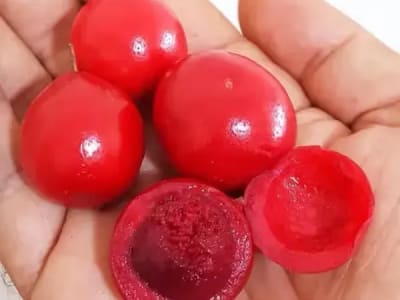
Real plants of this species grown and shared by the MyFloralVault community.
More in Immune Support





Was this helpful?
0 · 0
Care guides for related plants
Care Guide Available
Learn how to grow and care for Eugenia Patrisii at home