Erlicheer
Narcissus Papyraceus
Medicinal Facts
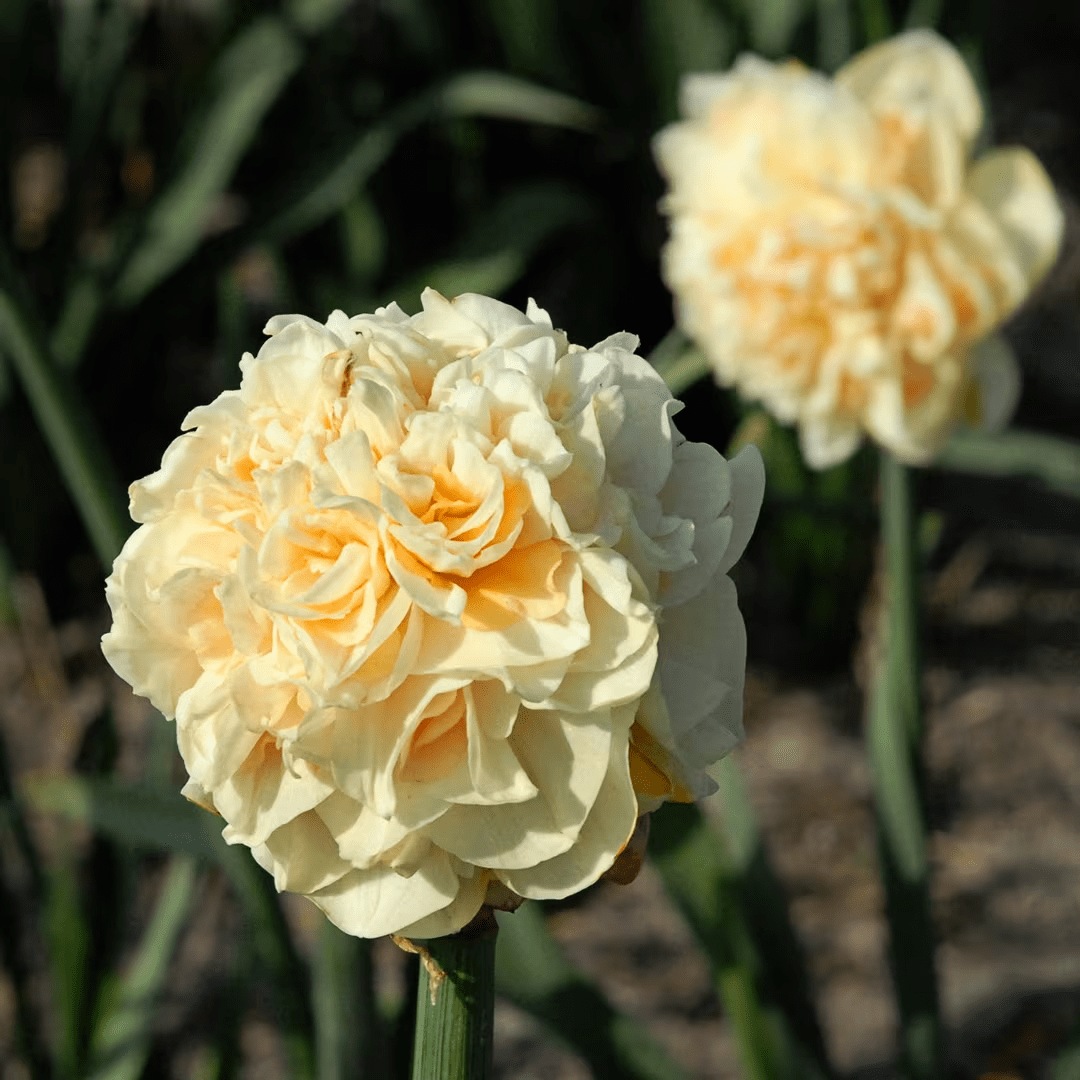
Narcissus papyraceus, commonly known as Erlicheer, is rich in alkaloids, particularly galantamine, which is a potent acetylcholinesterase inhibitor. It stands at the intersection of traditional uses in ornamental horticulture and modern neuropharmacological research focused on Alzheimer's disease. Its alkaloids also exhibit interesting antimicrobial and antiviral properties, drawing attention in phytochemical studies. Despite its beauty, the plant is toxic if ingested, which limits its direct medicinal use.
What it helps with
Alzheimer's disease & cognitive decline
Galantamine inhibits acetylcholinesterase, thereby increasing acetylcholine levels in the synaptic cleft, which enhances cholinergic transmission. This mechanism is critical in the symptomatic treatment of Alzheimer's disease, as evidenced by multiple human trials that show improved cognitive function in patients.
Neuroprotection
Galantamine also modulates nicotinic acetylcholine receptors, which may provide neuroprotective effects by reducing oxidative stress and apoptosis in neuronal cells. Preclinical studies suggest its role in enhancing neuronal survival and synaptic plasticity, although human evidence is limited.
Antimicrobial activity
Lycorine, another alkaloid present in Narcissus papyraceus, has demonstrated significant antibacterial activity by inhibiting bacterial protein synthesis. In vitro studies show its efficacy against both Gram-positive and Gram-negative bacteria, highlighting its potential as a lead compound in antimicrobial drug development.
Antiviral properties
Lycorine also exhibits antiviral activity, particularly against viruses such as poliovirus and coronavirus, by interfering with viral RNA replication. This has been demonstrated in vitro, though clinical applications are yet to be fully explored.
Mood & depression
Galantamine's modulation of nicotinic acetylcholine receptors may also influence mood regulation, potentially offering antidepressant effects. This is supported by animal models showing reduced depressive-like behaviors, but human studies are needed to confirm these findings.
Pain management
The alkaloid galantamine has been studied for its potential analgesic effects, possibly through modulation of cholinergic and opioid systems. Preclinical models indicate a reduction in pain perception, suggesting a novel approach to pain management.
Cancer research
Lycorine has shown cytotoxic effects against various cancer cell lines, such as leukemia and breast cancer, by inducing apoptosis and cell cycle arrest. These findings are primarily from in vitro studies, and further research is required to assess clinical relevance.
Key active compounds
Galantamine
An alkaloid that inhibits acetylcholinesterase and modulates nicotinic acetylcholine receptors, enhancing cholinergic transmission and potentially offering neuroprotective and cognitive benefits.
Lycorine
An alkaloid with notable antimicrobial and antiviral properties, inhibiting bacterial protein synthesis and viral RNA replication, with additional cytotoxic activity against cancer cells.
Narciclasine
A lesser-known alkaloid with anti-inflammatory and anticancer properties, acting by inhibiting protein synthesis and cell proliferation in cancer models.
Tazettine
An alkaloid with mild cytotoxic effects, studied for its potential role in cancer therapy due to its ability to induce apoptosis in tumor cells.
Haemanthamine
An alkaloid that disrupts ribosomal function, showing promise in cancer research by inhibiting protein synthesis and inducing apoptosis in cancer cells.
Crinine
An alkaloid with potential neuroprotective effects, though its precise mechanisms are less well-characterized compared to galantamine.
What the research says
Research on Narcissus papyraceus focuses heavily on its alkaloid content, particularly galantamine, which has strong human evidence for cognitive enhancement in Alzheimer's disease through acetylcholinesterase inhibition. Preclinical studies explore its neuroprotective potential via nicotinic receptor modulation. Antimicrobial and antiviral properties of lycorine are well-documented in vitro, highlighting its potential in infectious disease research. The primary limitation in utilizing Narcissus papyraceus therapeutically is its toxicity, necessitating careful extraction and isolation of active compounds. Advances in alkaloid extraction and formulation may enhance safety and efficacy, broadening its medicinal applications.
Typical dosage
Due to its toxicity, Narcissus papyraceus is not recommended for ingestion. For aromatherapy, a few drops of its essential oil can be added to a diffuser. It is important to ensure proper ventilation and to avoid direct skin contact with the oil.
About Erlicheer
Traditional Use
Preparations & Dosage
Preparations
- Essential Oil: Extract the oil from the flowers using steam distillation. Use the oil in a diffuser for aromatherapy, ensuring the room is well-ventilated.
- Aromatherapy: Add a few drops of essential oil to a diffuser or a bowl of hot water. Inhale the aroma for a calming effect.
- Floral Arrangements: Use fresh flowers in bouquets or arrangements. Ensure the stems are cut at an angle and placed in water.
Interactions & Warnings
Use with caution
Narcissus papyraceus, commonly known as Erlicheer, is primarily ornamental and not used for medicinal purposes. Its bulbs are toxic if ingested, causing nausea and vomiting. People with allergies to floral scents should use caution with its essential oil.
Community Plants
Real plants of this species grown and shared by the MyFloralVault community.


More in General





Was this helpful?
0 · 0