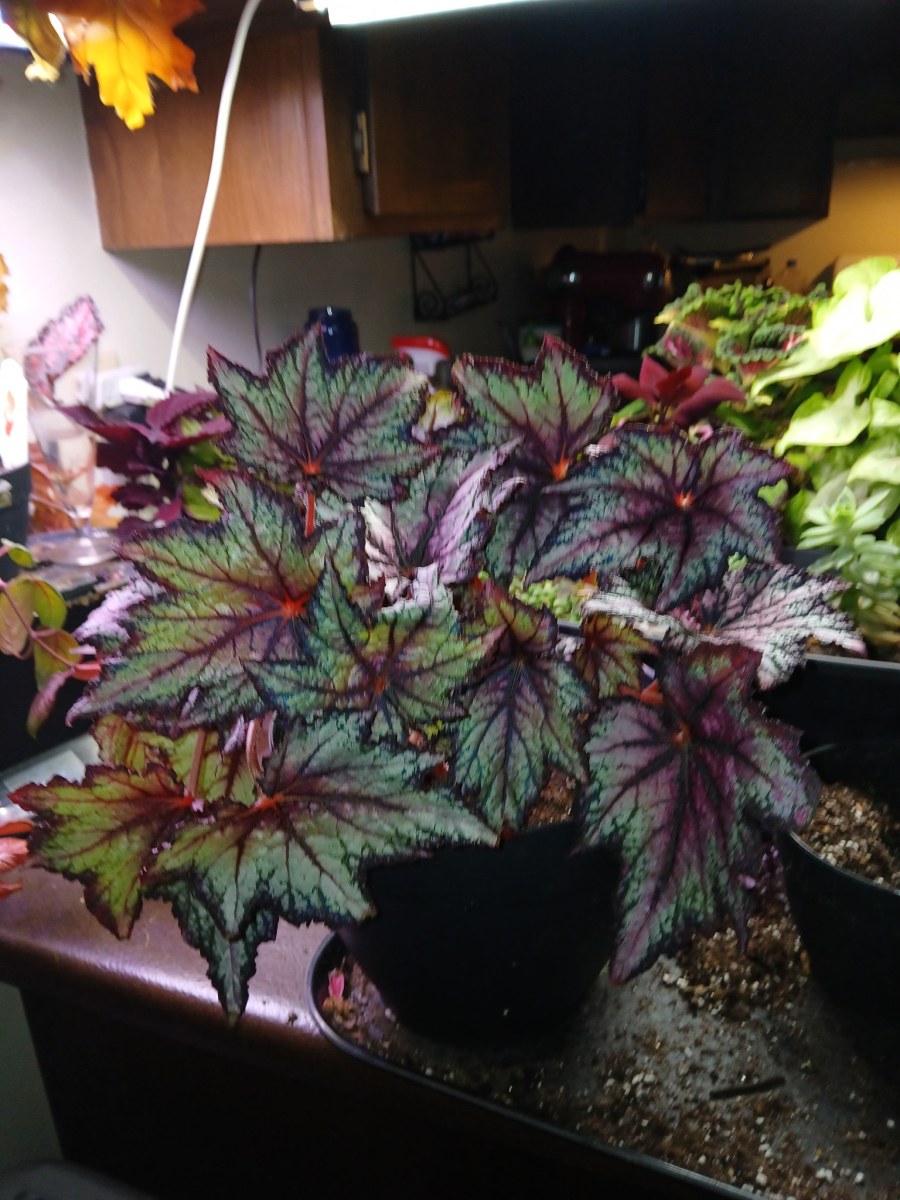
Robert Golden Begonia
Begonia Rex-cultorum
Medicinal Facts
Begonia Rex-cultorum, commonly known as Robert Golden Begonia, is renowned for its ornamental beauty and its lesser-known medicinal properties. It sits at the intersection of traditional ethnobotanical uses, particularly in Southeast Asia for wound healing and inflammation, and emerging phytochemical research exploring its polyphenolic compounds. The plant's therapeutic potential is largely attributed to its diverse array of flavonoids and phenolic acids, which exhibit antioxidant and anti-inflammatory activities. Modern studies are beginning to uncover the molecular mechanisms underlying these effects, although much of the evidence remains preclinical.
What it helps with
Wound healing
Traditionally used in Southeast Asian medicine, Begonia Rex-cultorum may support wound healing through its rich content of flavonoids and phenolic acids, which modulate inflammatory pathways. These compounds inhibit cyclooxygenase (COX) enzymes and promote collagen synthesis, enhancing tissue repair. Evidence is primarily from traditional use and in vitro studies.
Inflammation
The plant's flavonoids, such as quercetin and kaempferol, inhibit the NF-kB signaling pathway, reducing the production of pro-inflammatory cytokines like TNF-alpha and IL-6. This action is supported by preclinical studies, suggesting potential benefits for inflammatory conditions.
Antioxidant support
Begonia Rex-cultorum contains high levels of antioxidant compounds, including ascorbic acid and carotenoids, which scavenge free radicals and upregulate endogenous antioxidant enzymes like superoxide dismutase (SOD). These effects have been demonstrated in vitro, with potential implications for oxidative stress-related conditions.
Gastrointestinal health
The plant's phenolic compounds may exert protective effects on the gastrointestinal tract by modulating gut microbiota and reducing inflammation. In vitro studies suggest these compounds can inhibit Helicobacter pylori growth, a common cause of ulcers.
Antimicrobial activity
Begonia Rex-cultorum exhibits antimicrobial properties, attributed to its phenolic acids and flavonoids, which disrupt microbial cell walls and inhibit enzyme activity. This has been observed in vitro against bacteria such as E. coli and Staphylococcus aureus.
Skin health
The plant's extracts may improve skin health by inhibiting tyrosinase, an enzyme involved in melanin production, and reducing oxidative stress. These actions are supported by in vitro studies, suggesting potential applications in hyperpigmentation and aging.
Respiratory health
Flavonoids in Begonia Rex-cultorum may support respiratory health by modulating histamine release and reducing bronchial inflammation. Preclinical evidence indicates potential benefits for conditions such as asthma and allergic rhinitis.
Key active compounds
Quercetin
A flavonoid with potent anti-inflammatory and antioxidant properties. It inhibits the NF-kB pathway and scavenges free radicals, contributing to the plant's overall therapeutic effects.
Kaempferol
Another flavonoid that modulates inflammatory pathways and exhibits antioxidant activity. It synergizes with quercetin to enhance the plant's medicinal properties.
Ascorbic acid
A vital antioxidant that supports immune function and enhances collagen synthesis. It contributes to the plant's wound healing and skin health benefits.
Phenolic acids
Compounds such as gallic acid and caffeic acid that exhibit antimicrobial and antioxidant activities. They play a crucial role in the plant's protective effects against oxidative stress and microbial infections.
Carotenoids
Pigments with antioxidant properties that protect cells from oxidative damage. They contribute to the plant's overall antioxidant capacity.
Tannins
Polyphenolic compounds that exhibit astringent and antimicrobial properties, supporting wound healing and gastrointestinal health.
Anthocyanins
Pigments that provide antioxidant benefits and may support cardiovascular health by modulating nitric oxide levels.
What the research says
Research on Begonia Rex-cultorum is primarily focused on its antioxidant and anti-inflammatory properties. Flavonoids like quercetin and kaempferol have shown strong preclinical evidence for modulating inflammatory pathways and scavenging free radicals. Phenolic acids and tannins contribute to its antimicrobial and wound healing potential, with studies largely in vitro or animal models. The main limitation in translating these findings to clinical use is the lack of human trials and the need for standardized extracts to ensure consistent bioavailability. Future research should focus on these areas to validate traditional uses and explore new therapeutic applications.
Typical dosage
As Begonia Rex-cultorum is primarily an ornamental plant, there is no dosage guidance applicable. It should be used for decorative purposes only, ensuring it is placed in suitable conditions for optimal growth.
About Robert Golden Begonia
Traditional Use
Preparations & Dosage
Preparations
- Ornamental display: Place the Begonia Rex-cultorum in a decorative pot with well-draining soil. Ensure it receives indirect sunlight and maintain high humidity by misting regularly. Avoid overwatering to prevent root rot.
Interactions & Warnings
Use with caution
Begonia Rex-cultorum is primarily used as an ornamental plant and is not known for medicinal uses. It contains oxalates, which can be toxic if ingested in large quantities. Pets and small children should be kept away from the plant to prevent accidental ingestion.
Community Plants
Real plants of this species grown and shared by the MyFloralVault community.
More in General


Was this helpful?
0 · 0