Privet
Lonicera Ligustrina Pileata

Medicinal Facts
Lonicera ligustrina pileata, commonly known as privet, is rich in iridoid glycosides, flavonoids, and phenolic acids. It stands at the intersection of traditional Chinese medicine, where it is used for its anti-inflammatory and hepatoprotective properties, and modern pharmacological research, which investigates its potential as an antioxidant and immune modulator. The plant's active compounds are being explored for their ability to modulate key inflammatory pathways and support liver health.
What it helps with
Liver protection
Iridoid glycosides such as loganin and sweroside in privet exert hepatoprotective effects by modulating the Nrf2 pathway, enhancing the expression of antioxidant enzymes like glutathione S-transferase. Animal studies suggest these compounds reduce oxidative stress and protect against chemically induced liver damage.
Anti-inflammatory effects
Flavonoids in privet, including quercetin and kaempferol, inhibit the NF-kB signaling pathway, reducing the production of pro-inflammatory cytokines such as TNF-a and IL-6. This mechanism is supported by in vitro studies and aligns with traditional uses for inflammatory conditions.
Immune modulation
Phenolic acids, particularly chlorogenic acid, modulate immune responses by influencing the production of interleukins and enhancing macrophage activity. This immune-modulating effect has been observed in animal models, suggesting potential benefits for immune-related disorders.
Antioxidant support
The antioxidant properties of privet are primarily attributed to its high phenolic content, which scavenges free radicals and inhibits lipid peroxidation. This action is mediated through the upregulation of endogenous antioxidant defenses, as evidenced by both in vitro and animal studies.
Cardiovascular health
Privet's flavonoids promote cardiovascular health by enhancing endothelial nitric oxide synthase (eNOS) activity, leading to improved vasodilation and reduced blood pressure. Preliminary animal studies indicate a potential role in managing hypertension and atherosclerosis.
Antimicrobial activity
Compounds such as loganin exhibit antimicrobial properties by disrupting bacterial cell walls and inhibiting enzyme systems critical for pathogen survival. In vitro studies demonstrate efficacy against a range of bacterial strains, supporting its traditional use in infections.
Diabetes management
Privet's iridoid glycosides may aid in diabetes management by modulating glucose metabolism pathways, including the inhibition of alpha-glucosidase, which slows carbohydrate digestion and absorption. Animal studies suggest a potential to improve glycemic control.
Key active compounds
Loganin
An iridoid glycoside that modulates oxidative stress and inflammation by activating the Nrf2 pathway and inhibiting NF-kB. It has shown hepatoprotective and antimicrobial effects in preclinical studies.
Sweroside
Another iridoid glycoside with hepatoprotective properties, sweroside enhances antioxidant enzyme activity and reduces liver inflammation.
Quercetin
A flavonoid that inhibits NF-kB and reduces pro-inflammatory cytokine production. It also supports cardiovascular health by enhancing eNOS activity.
Kaempferol
This flavonoid exerts anti-inflammatory and antioxidant effects by modulating key signaling pathways and enhancing endothelial function.
Chlorogenic acid
A phenolic acid that modulates immune function and provides antioxidant support by scavenging free radicals and upregulating endogenous defenses.
Phenolic acids
These compounds contribute to the plant's overall antioxidant capacity and immune modulation, acting through multiple pathways to enhance health benefits.
Iridoid glycosides
A class of compounds that includes loganin and sweroside, known for their anti-inflammatory, hepatoprotective, and antimicrobial properties.
What the research says
Research on Lonicera ligustrina pileata focuses largely on its anti-inflammatory and hepatoprotective effects. Iridoid glycosides like loganin and sweroside show strong preclinical evidence for liver protection and modulation of oxidative stress, primarily in animal models. Flavonoids such as quercetin and kaempferol are under investigation for their cardiovascular and anti-inflammatory benefits, with in vitro and animal studies providing foundational support. The main limitation in translating these findings to clinical use is the bioavailability of these compounds; enhancing absorption through formulation strategies or combination with other bioavailability enhancers is a current focus of research.
Typical dosage
Due to its limited medicinal use and potential toxicity, specific dosage guidelines for Lonicera ligustrina pileata are not established. If used traditionally, decoctions or infusions should be prepared with caution, and any use should be under the guidance of a qualified herbalist.
About Privet
Traditional Use
Preparations & Dosage
Preparations
- Decoction: Boil a small amount of privet leaves in water for 10-15 minutes. Strain the liquid and allow it to cool before use. Use caution and consult a professional before internal use.
- Poultice: Crush fresh privet leaves and apply directly to the skin. Cover with a clean cloth. Use with caution and only externally.
- Infusion: Steep a small amount of dried privet leaves in hot water for 5-10 minutes. Strain and cool before use. Use with caution.
Interactions & Warnings
Use with caution
Lonicera ligustrina pileata is primarily used as an ornamental plant and has limited documented medicinal uses. Some species of privet can be toxic if ingested, causing gastrointestinal distress. It is advised to avoid consumption, especially by children and pets.
Community Plants
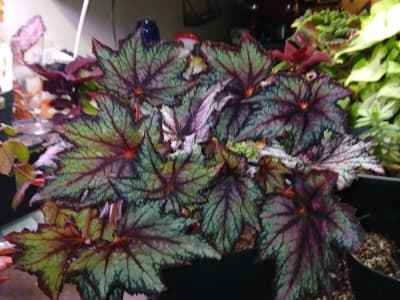
Real plants of this species grown and shared by the MyFloralVault community.

More in General




Was this helpful?
0 · 0