Corn Salad
Valerianella Locusta
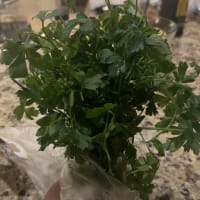
Valerianella locusta, commonly known as Corn Salad or Lamb's Lettuce, is a nutritious leafy green that thrives in cooler weather. Originating from Europe, it is cherished for its tender leaves and mild flavor, making it a popular choice for salads and garnishes.
Everything it needs
9 essentials at a glance
Watering
Valerianella locusta prefers consistently moist soil but should not be waterlogged.
Water the plant deeply once a week, adjusting to every 4-5 days during hot weather. Signs of over-watering include yellowing leaves and root rot, while under-watering can cause wilting and dry, crispy leaves.
Light
This plant thrives in full sun but can tolerate partial shade.
Ideally, it should receive 6-8 hours of sunlight daily. In hotter climates, some afternoon shade can help prevent leaf scorch.
Soil
Valerianella locusta prefers well-draining, loamy soil with a pH range of 6.0 to 7.0.
A mix of garden soil, compost, and sand is ideal for good drainage and nutrient retention.
Humidity
Moderate humidity levels are preferred, around 40-60%.
To increase humidity, mist the leaves or place a humidifier nearby. Signs of low humidity stress include browning leaf tips and wilting.
Temperature
The ideal temperature range for Valerianella locusta is between 55-75°F (13-24°C).
It is hardy in USDA zones 3-9, tolerating light frost but not extreme heat.
Fertilizing
Use a balanced fertilizer with an NPK ratio of 10-10-10, applied every 4-6 weeks during the growing season.
Signs of nutrient deficiency include pale leaves and stunted growth.
Pruning
Pruning is not typically necessary, but you can remove any dead or yellowing leaves to promote healthy growth.
Use clean, sharp scissors to avoid damaging the plant.
Repotting
Repotting is usually not needed for Valerianella locusta as it is grown as an annual.
If grown in containers, consider repotting every year in fresh soil. Signs it needs repotting include root crowding and poor growth.
Propagation
Propagation is primarily through seeds.
Sow seeds directly in the garden in early spring or late summer. Plant seeds 1/4 inch deep and 1 inch apart. Thin seedlings to 6 inches apart once they are a few inches tall.
When it's unhappy
Yellow leaves
Why it happens
Often caused by over-watering or nutrient deficiency.
How to fix it
Check soil moisture levels and adjust watering accordingly. Consider fertilizing if nutrient deficiency is suspected.
Wilting
Why it happens
Usually a result of under-watering or extreme heat.
How to fix it
Water the plant thoroughly and ensure it is not exposed to excessive heat without shade.
Leaf spots
Why it happens
Can be caused by fungal infections or poor air circulation.
How to fix it
Improve air circulation around the plant and remove affected leaves. Consider using a fungicide if the problem persists.
Slow growth
Why it happens
May be due to poor soil quality or insufficient light.
How to fix it
Ensure the plant is in well-draining soil and receiving adequate sunlight. Fertilize if necessary.
Bolting
Why it happens
Occurs when temperatures rise, causing the plant to flower prematurely.
How to fix it
Plant in cooler seasons and provide shade during hot weather to prevent bolting.
Care through the year
Spring
In spring, sow seeds directly in the garden as soon as the soil can be worked. Ensure consistent moisture and provide adequate sunlight.
Summer
During summer, monitor for heat stress and provide some shade if temperatures exceed 75°F. Water more frequently to keep the soil moist.
Fall
In fall, continue to harvest leaves regularly to encourage new growth. Prepare for cooler temperatures by mulching around the base of the plant.
Winter
Valerianella locusta can tolerate light frost, but in colder areas, consider covering with frost cloth or bringing pots indoors if necessary.
Toxicity & Safety
Valerianella locusta is non-toxic to pets and children. It is safe to consume and poses no known health risks.
Good to know
How often should I water my Valerianella locusta?
Water Valerianella locusta deeply once a week, adjusting to every 4-5 days during hot weather to keep the soil consistently moist.
What is the best light for growing Corn Salad?
Valerianella locusta thrives in full sun, ideally receiving 6-8 hours of sunlight daily. It can tolerate partial shade, especially in hotter climates.
When is the best time to sow Valerianella locusta seeds?
Sow seeds directly in the garden in early spring or late summer for optimal growth. Ensure the soil is well-draining and rich in nutrients.
Why are the leaves of my Lamb's Lettuce turning yellow?
Yellow leaves can indicate over-watering or nutrient deficiency. Check soil moisture and consider fertilizing if needed.
How can I prevent my Mache from bolting?
To prevent bolting, plant Valerianella locusta in cooler seasons and provide shade during hot weather to maintain optimal growing conditions.
What type of soil is best for Corn Salad?
Valerianella locusta prefers well-draining loamy soil with a pH range of 6.0 to 7.0. A mix of garden soil, compost, and sand works well.
Is Valerianella locusta safe for pets?
Yes, Valerianella locusta is non-toxic to pets and children, making it a safe choice for home gardens.
Grows well with
Track this plant in your garden.
Set care reminders, log growth, and join a community of plant lovers.