Rubber Plant
Ficus Elastica

Medicinal Facts
Ficus elastica's medicinal significance is primarily linked to its latex content and air-purifying properties. While it is not widely recognized in modern herbal medicine, its traditional uses suggest potential benefits in stress relief and indoor air quality improvement. The plant's latex may have some antimicrobial properties, but further research is needed to substantiate these claims.
What it helps with
Air quality improvement
The leaves of Ficus elastica are known to absorb harmful pollutants and toxins from the air, contributing to a healthier indoor environment.
Stress relief
The presence of greenery, including Rubber Plants, in living spaces is associated with reduced stress levels and improved mood, likely due to the calming effects of nature.
Key active compounds
Latex
The sap contains compounds that may have antimicrobial properties, though its primary use is in traditional applications.
Flavonoids
Present in the leaves, these compounds are known for their antioxidant properties.
What the research says
Research on Ficus elastica is limited, focusing mainly on its air-purifying properties and traditional uses. While it is recognized for its ability to improve indoor air quality, scientific studies validating its medicinal applications are scarce. Its latex content has been studied for potential antimicrobial effects, but more comprehensive research is needed to establish its efficacy in medicinal contexts.
Typical dosage
For leaf extract, a common recommendation is to use a few drops diluted in a carrier oil for topical application. Essential oil can be diffused in a room for air purification and stress relief. Always perform a patch test before using any topical preparations to check for allergic reactions.
About Rubber Plant
Preparations & Dosage
Preparations
- Leaf extract: Harvest fresh leaves, wash them thoroughly, and crush them to extract the sap. Dilute the sap with a carrier oil before topical application.
- Essential oil: Steam distillation of the leaves can be used to obtain essential oil, which can be diffused or diluted for topical use.
- Topical application: Apply diluted leaf extract or essential oil to the skin, avoiding sensitive areas.
Interactions & Warnings
Use with caution
Ficus elastica contains latex, which can cause allergic reactions in sensitive individuals. It is advisable to avoid direct contact with the sap and to keep it away from children and pets, as ingestion can lead to gastrointestinal discomfort.
Community Plants
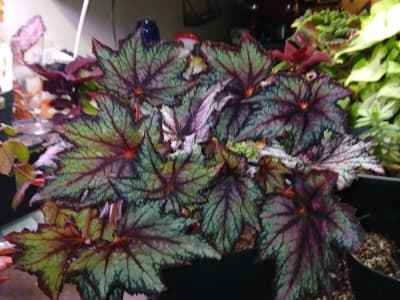
Real plants of this species grown and shared by the MyFloralVault community.

More in General





Was this helpful?
0 · 0
Care Guide Available
Learn how to grow and care for Rubber Plant at home