Sea Thrift
Armeria Maritima

Medicinal Facts
Armeria maritima, commonly known as Sea Thrift, is a coastal plant that thrives in saline environments, known for its unique phytochemical profile rich in phenolic compounds and flavonoids. It sits at the intersection of traditional European herbal practices, where it is used for respiratory and dermatological conditions, and emerging phytopharmacological research focusing on its antioxidant and antimicrobial properties. Key active compounds include armerin and various flavonoids, which contribute to its potential therapeutic effects. The plant's adaptability to harsh environments suggests a robust secondary metabolite profile that may offer diverse health benefits.
What it helps with
Respiratory health
Traditionally used to support respiratory conditions, Armeria maritima contains flavonoids that may modulate inflammatory pathways such as NF-kB, potentially reducing airway inflammation. This use is primarily supported by traditional knowledge rather than extensive clinical trials.
Skin conditions
The phenolic compounds in Sea Thrift, such as armerin, exhibit antimicrobial activity against skin pathogens, possibly through membrane disruption or enzyme inhibition. This supports its traditional use in treating minor skin infections and irritations, though clinical evidence is limited.
Antioxidant support
Armeria maritima is rich in flavonoids and phenolics, which scavenge free radicals and upregulate antioxidant enzymes like superoxide dismutase (SOD). This activity is primarily demonstrated in vitro and suggests potential for reducing oxidative stress.
Anti-inflammatory effects
Compounds such as armerin may inhibit pro-inflammatory cytokines through pathways like NF-kB, contributing to its use in traditional anti-inflammatory remedies. Evidence is mostly preclinical, with in vitro studies highlighting its potential.
Antimicrobial properties
Sea Thrift exhibits broad-spectrum antimicrobial effects, likely due to its phenolic compounds that disrupt microbial cell walls or inhibit key enzymes. This has been observed in vitro against bacteria and fungi, supporting its historical use in infection management.
Cardiovascular health
Flavonoids in Armeria maritima may improve endothelial function by enhancing nitric oxide (NO) production, which aids vasodilation. While promising, this effect is mainly supported by biochemical assays rather than human trials.
Stress and mood support
The plant's flavonoid content may interact with serotonergic pathways, potentially modulating mood and stress responses. This is a speculative area based on the known effects of flavonoids on neurotransmitter systems, requiring further research.
Key active compounds
Armerin
A phenolic compound noted for its antimicrobial and anti-inflammatory properties. It may disrupt microbial membranes and inhibit inflammatory cytokines.
Quercetin
A flavonoid with antioxidant properties that can scavenge free radicals and modulate inflammatory pathways such as NF-kB. It is well-studied for its bioactivity in various plants.
Kaempferol
Another flavonoid known for its antioxidant and anti-inflammatory effects, potentially enhancing endothelial function via nitric oxide pathways.
Luteolin
A flavonoid that may inhibit pro-inflammatory cytokines and enzymes, contributing to its potential anti-inflammatory effects.
Chlorogenic acid
An antioxidant phenolic acid that may also support antimicrobial activity by disrupting microbial metabolism.
Caffeic acid
A phenolic compound with antioxidant properties, known to enhance the activity of endogenous antioxidant enzymes.
Gallic acid
A phenolic acid with strong antioxidant and antimicrobial properties, potentially disrupting microbial cell walls.
What the research says
Research on Armeria maritima is primarily preclinical, focusing on its antioxidant and antimicrobial properties. Compounds like armerin and quercetin show promising activity in vitro, particularly in reducing oxidative stress and inhibiting microbial growth. However, human clinical trials are scarce, and much of the evidence is based on traditional use and biochemical studies. The main limitation in translating these findings to clinical use is the lack of bioavailability studies and standardized extracts, which are crucial for ensuring consistent therapeutic outcomes.
Typical dosage
As Armeria maritima is primarily used for ornamental purposes, there are no specific dosage guidelines. When planting, space the plants approximately 6-12 inches apart to allow for growth and ensure adequate air circulation.
About Sea Thrift
Traditional Use
Preparations & Dosage
Preparations
- Ornamental planting: Choose a sunny location with well-drained soil. Plant Sea Thrift in the spring or fall, spacing plants 6-12 inches apart. Water moderately until established, then reduce watering to prevent root rot.
- Ground cover: Prepare the area by removing weeds and loosening the soil. Plant Sea Thrift densely to cover the ground, ensuring good drainage to prevent waterlogging.
- Erosion control: Plant Sea Thrift on slopes or coastal areas prone to erosion. Space plants closely to form a dense mat that stabilizes the soil.
Interactions & Warnings
Use with caution
Armeria maritima is generally considered safe and non-toxic. It is primarily used for ornamental purposes and does not have significant medicinal uses or known adverse effects.
Community Plants
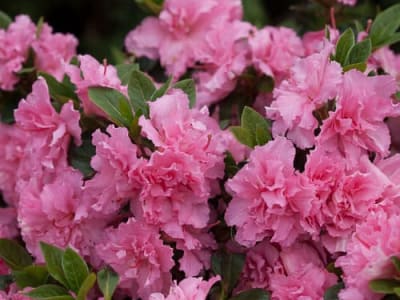
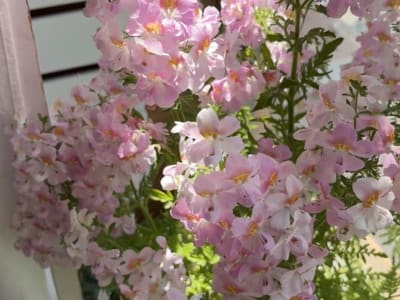
Real plants of this species grown and shared by the MyFloralVault community.

More in General




Was this helpful?
0 · 0
Care Guide Available
Learn how to grow and care for Sea Thrift at home