Persian Shield
Strobilanthes Dyerianus

Medicinal Facts
Strobilanthes dyerianus, commonly known as Persian Shield, is noted for its vibrant foliage and emerging interest in its bioactive compounds, particularly flavonoids and phenolic acids. It stands at the intersection of traditional Southeast Asian ethnobotany, where it is used for its purported anti-inflammatory and antimicrobial properties, and modern phytochemical research exploring its antioxidant potential. The plant's pharmacological promise is primarily tied to its rich polyphenolic content, although clinical validation remains in nascent stages.
What it helps with
Inflammation
The flavonoids present in Strobilanthes dyerianus, such as quercetin and kaempferol, inhibit the NF-kB signaling pathway, which is crucial in the regulation of pro-inflammatory cytokines like TNF-a and IL-6. This mechanism suggests potential anti-inflammatory effects, although evidence is primarily preclinical.
Antioxidant support
Phenolic acids such as caffeic acid in Strobilanthes dyerianus act as free radical scavengers and enhance the activity of endogenous antioxidant enzymes like superoxide dismutase (SOD) and catalase. This activity is observed in vitro and suggests a role in mitigating oxidative stress.
Antimicrobial activity
The plant's essential oils contain compounds like beta-caryophyllene, which disrupt microbial cell membranes and inhibit bacterial growth. Traditional use supports these findings, though clinical studies are limited.
Skin health
Topical applications of Strobilanthes dyerianus extracts show potential in wound healing, likely due to its flavonoid content which modulates collagen synthesis and reduces inflammation through the TGF-beta pathway. This use is supported by traditional practices.
Liver protection
The hepatoprotective effects are attributed to the plant's phenolic compounds, which may enhance the Nrf2 pathway, leading to increased expression of detoxifying enzymes. Evidence is mostly from animal models.
Cardiovascular health
Flavonoids in the plant may improve endothelial function by upregulating nitric oxide synthase (eNOS), enhancing vasodilation, and reducing blood pressure. This is primarily supported by in vitro studies.
Diabetes management
Preliminary research suggests that compounds in Strobilanthes dyerianus can modulate glucose metabolism by inhibiting alpha-glucosidase, an enzyme involved in carbohydrate digestion, thus potentially lowering postprandial glucose levels. These findings are mostly preclinical.
Key active compounds
Quercetin
A flavonoid that inhibits the NF-kB pathway, reducing inflammation and oxidative stress. It is known for its poor bioavailability, often necessitating formulation strategies to enhance absorption.
Kaempferol
Another flavonoid that exhibits anti-inflammatory and antioxidant activities by modulating signaling pathways like NF-kB and activating Nrf2. It is often studied for its cardiovascular benefits.
Caffeic acid
A phenolic acid with strong antioxidant properties, known to enhance the activity of SOD and catalase. It contributes to the plant's overall radical scavenging capacity.
Beta-caryophyllene
A sesquiterpene found in the essential oil, known for its antimicrobial properties. It interacts with cell membranes to exert its effects and is also a CB2 receptor agonist, which may contribute to anti-inflammatory actions.
Chlorogenic acid
A polyphenol that acts as an antioxidant and may modulate glucose metabolism by inhibiting enzymes like alpha-glucosidase. It is studied for its potential in managing diabetes.
Tannins
Polyphenolic compounds that contribute to the plant's astringent properties and antimicrobial activity. They can precipitate proteins and disrupt microbial cell walls.
What the research says
Research on Strobilanthes dyerianus is primarily focused on its antioxidant and anti-inflammatory properties, with flavonoids like quercetin and kaempferol showing the most promise in preclinical studies. These compounds are studied for their ability to modulate key inflammatory pathways and enhance antioxidant defenses. Antimicrobial and hepatoprotective effects are also of interest, with phenolic acids playing a central role. However, the main limitation remains the lack of robust human clinical trials. Efforts to improve the bioavailability of these compounds, such as through nanoparticle delivery systems, are ongoing to enhance their therapeutic potential.
Typical dosage
Due to the lack of scientific research and established medicinal use, there are no standardized dosage guidelines for Strobilanthes dyerianus. If used traditionally, it might be prepared as an infusion or decoction, but specific amounts and frequency should be approached with caution and ideally under the guidance of a knowledgeable practitioner.
About Persian Shield
Traditional Use
Preparations & Dosage
Preparations
- Infusion: To prepare an infusion, use fresh or dried leaves. Pour boiling water over the leaves and let steep for 10-15 minutes. Strain before drinking.
- Decoction: Simmer the leaves in water for 20-30 minutes. Strain and cool before use.
- Topical application: Crush fresh leaves to extract juice. Apply directly to the skin for potential soothing effects.
Interactions & Warnings
Use with caution
Strobilanthes dyerianus is primarily used as an ornamental plant and not widely recognized for medicinal use. There is limited information on its safety and efficacy for medicinal purposes. Pregnant or nursing women, and individuals with known allergies to the Acanthaceae family, should avoid using it medicinally.
Community Plants
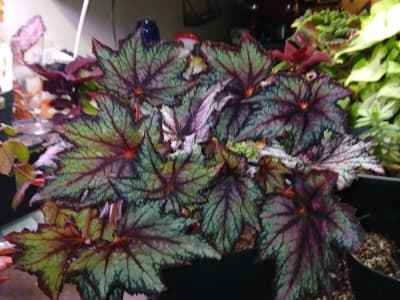
Real plants of this species grown and shared by the MyFloralVault community.

More in General




Was this helpful?
0 · 0
Care guides for related plants
Care Guide Available
Learn how to grow and care for Persian Shield at home