Rockery Saxifrage
Saxifraga × Arendsii

Medicinal Facts
Saxifraga × Arendsii, commonly known as Rockery Saxifrage, is a hybrid plant recognized for its ornamental value and potential medicinal applications. It sits at the intersection of traditional European herbal practices, where it has been used for its diuretic and anti-inflammatory properties, and contemporary phytochemical research exploring its phenolic compounds. The plant's therapeutic potential is largely attributed to its flavonoids and tannins, which contribute to its antioxidant and anti-inflammatory effects. However, its medicinal use is less documented compared to more prominent herbal remedies.
What it helps with
Diuretic support
Traditionally, Saxifraga × Arendsii has been used to promote diuresis. This effect is primarily due to its flavonoid content, which may enhance renal blood flow and inhibit sodium reabsorption in the kidneys. Evidence is mostly anecdotal and based on traditional use, with limited scientific studies to confirm these mechanisms.
Anti-inflammatory effects
The plant contains phenolic compounds that inhibit the NF-kB pathway, reducing the expression of pro-inflammatory cytokines such as TNF-a and IL-1b. This mechanism suggests potential for managing mild inflammatory conditions, though current evidence is largely preclinical.
Antioxidant activity
Saxifraga × Arendsii is rich in tannins and flavonoids, which scavenge free radicals and upregulate Nrf2-mediated antioxidant defenses. This action helps protect cells from oxidative stress, a factor implicated in aging and chronic diseases. Most evidence is derived from in vitro studies.
Respiratory health
The plant's traditional use includes alleviating respiratory issues, possibly through its anti-inflammatory and antimicrobial properties. Flavonoids may modulate airway inflammation by inhibiting leukotriene synthesis, though this is primarily supported by traditional knowledge rather than clinical trials.
Skin health
Topical applications of Saxifraga × Arendsii extracts may support skin health through their astringent and antimicrobial properties, largely attributed to tannins. These compounds can reduce microbial load and promote wound healing, though empirical evidence is limited.
Gastrointestinal support
Traditionally, the plant has been used to alleviate digestive issues, potentially through its astringent properties that reduce gut inflammation and diarrhea. The mechanism involves tannins binding to proteins, which can decrease intestinal permeability and inflammation.
Urinary tract health
Saxifraga × Arendsii's diuretic properties may also support urinary tract health by increasing urine flow and reducing bacterial colonization in the urinary tract. This use is primarily based on traditional practices with limited scientific validation.
Key active compounds
Flavonoids
These compounds contribute to the plant's diuretic and anti-inflammatory effects by modulating enzymatic pathways such as COX and lipoxygenase, and enhancing renal blood flow.
Tannins
Astringent polyphenols that bind to proteins and amino acids, reducing inflammation and microbial load. They play a significant role in the plant's antioxidant and gastrointestinal benefits.
Phenolic acids
These compounds exhibit antioxidant properties by scavenging free radicals and inhibiting lipid peroxidation, contributing to the plant's protective effects against oxidative stress.
Saponins
Saponins may enhance the plant's diuretic effect by altering cell membrane permeability, though their role in Saxifraga × Arendsii is less documented compared to other plants.
Anthocyanins
These pigments provide antioxidant benefits and may contribute to the plant's anti-inflammatory effects by modulating inflammatory pathways.
Coumarins
Known for their anticoagulant and anti-inflammatory properties, coumarins in Saxifraga × Arendsii may support vascular health, although specific studies are limited.
What the research says
Research on Saxifraga × Arendsii is primarily focused on its phytochemical profile and traditional uses. Flavonoids and tannins have the strongest evidence base, mostly from in vitro studies highlighting their antioxidant and anti-inflammatory properties. Human clinical trials are sparse, with most data derived from traditional practices and anecdotal reports. A major limitation is the lack of comprehensive clinical studies to validate its efficacy and safety, which is compounded by variability in phytochemical content due to hybridization. Addressing these gaps through standardized extracts and controlled trials could enhance its credibility as a medicinal plant.
Typical dosage
As Saxifraga × Arendsii is primarily used for ornamental purposes, there are no dosage recommendations. It should be planted according to standard horticultural practices, ensuring adequate spacing and soil conditions for optimal growth.
About Rockery Saxifrage
Traditional Use
Preparations & Dosage
Preparations
- Ornamental planting: Select a location with partial shade and well-drained soil. Prepare the soil by loosening it and incorporating organic matter. Plant Saxifraga × Arendsii at the same depth it was growing in its pot, spacing plants about 6-12 inches apart. Water thoroughly after planting.
Interactions & Warnings
Use with caution
Saxifraga × Arendsii is primarily used as an ornamental plant and is considered safe for garden use. It does not have significant medicinal properties or known toxic effects.
Community Plants
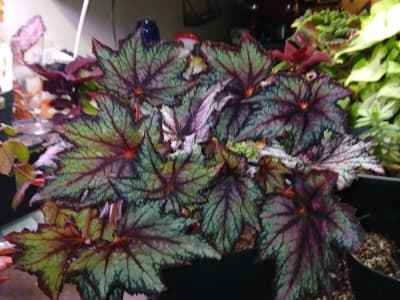
Real plants of this species grown and shared by the MyFloralVault community.

More in General




Was this helpful?
0 · 0