Crape Myrtle
Lagerstroemia Indica

Medicinal Facts
Lagerstroemia indica, commonly known as Crape Myrtle, is renowned for its ornamental beauty and its medicinal potential, primarily attributed to its rich content of ellagic acid and corosolic acid. It stands at the intersection of traditional Asian herbal medicine, where it is used for metabolic and inflammatory conditions, and contemporary research focusing on its antidiabetic and anti-inflammatory properties. The plant's active compounds are being investigated for their ability to modulate glucose metabolism and inflammatory pathways, with a particular interest in their effects on insulin sensitivity and cytokine production.
What it helps with
Type 2 Diabetes
Corosolic acid, a triterpenoid compound in Lagerstroemia indica, enhances insulin sensitivity by activating the AMPK pathway, which increases glucose uptake in muscle cells. Human trials suggest it can lower blood glucose levels, acting similarly to metformin. This aligns with traditional uses for managing blood sugar.
Inflammation
Ellagic acid in Crape Myrtle inhibits the NF-kB pathway, reducing the production of pro-inflammatory cytokines such as TNF-alpha and IL-6. This mechanism is supported by in vitro studies and aligns with traditional use in inflammatory conditions.
Metabolic Syndrome
Corosolic acid also reduces lipid accumulation in adipocytes by modulating PPAR-gamma activity, which is crucial in adipogenesis and lipid metabolism. Animal studies show promise in reducing symptoms of metabolic syndrome, including dyslipidemia and hypertension.
Antioxidant Support
Ellagic acid provides strong antioxidant activity by scavenging free radicals and upregulating Nrf2, a transcription factor that enhances the expression of endogenous antioxidant enzymes. This contributes to cellular protection against oxidative stress, as evidenced in both in vitro and animal models.
Weight Management
Corosolic acid may aid in weight management by inhibiting pancreatic lipase, reducing fat absorption. This mechanism is under investigation in animal models, where it has shown potential in reducing body weight gain.
Cardiovascular Health
The plant's polyphenolic compounds improve endothelial function by enhancing nitric oxide bioavailability, which promotes vasodilation and reduces blood pressure. Preliminary human studies indicate potential benefits in cardiovascular health.
Skin Health
Traditionally used for skin conditions, ellagic acid inhibits MMPs (matrix metalloproteinases), enzymes that degrade collagen, thereby supporting skin integrity and healing. This is supported by in vitro studies on skin fibroblasts.
Key active compounds
Corosolic Acid
A pentacyclic triterpenoid known for its insulin-mimetic effects. It activates AMPK, enhancing glucose uptake and reducing blood sugar levels. It also modulates PPAR-gamma, influencing lipid metabolism.
Ellagic Acid
A polyphenolic compound with potent antioxidant and anti-inflammatory properties. It inhibits NF-kB and upregulates Nrf2, protecting cells from oxidative damage and reducing inflammation.
Gallic Acid
An antioxidant phenolic acid that contributes to the plant's anti-inflammatory effects by modulating COX and LOX pathways. It also shows antimicrobial activity.
Quercetin
A flavonoid with antioxidant properties that also inhibits histamine release, contributing to anti-inflammatory and anti-allergic effects. It enhances the bioavailability of other compounds.
Kaempferol
A flavonoid that modulates various signaling pathways, including MAPK and PI3K/Akt, contributing to anti-inflammatory and anticancer effects. It synergizes with other polyphenols in Lagerstroemia indica.
Tannins
Polymeric phenolic compounds that bind to proteins and alkaloids, providing astringent properties useful in wound healing and gastrointestinal health.
Beta-sitosterol
A phytosterol that competes with cholesterol absorption in the intestines, potentially lowering LDL cholesterol levels and supporting cardiovascular health.
What the research says
Research on Lagerstroemia indica is robust in the area of metabolic health, with corosolic acid showing the strongest evidence in human trials for its glucose-lowering effects. Studies often compare its efficacy to standard antidiabetic medications, highlighting its potential as a complementary therapy. Inflammation and antioxidant research primarily focus on ellagic acid, with preclinical studies demonstrating significant modulation of inflammatory pathways and oxidative stress markers. The main limitation in the use of Crape Myrtle compounds is their bioavailability. Strategies such as formulation with bioenhancers or encapsulation in nanoparticles are being explored to improve systemic absorption and efficacy.
Typical dosage
For topical applications, a decoction can be made by boiling 10-15 grams of dried leaves or bark in 500 ml of water for 20 minutes. Allow it to cool before applying to the skin. For an infusion, steep 5-10 grams of dried leaves in hot water for 10 minutes. Use as needed for skin applications. Always perform a patch test before widespread use.
About Crape Myrtle
Traditional Use
Preparations & Dosage
Preparations
- Decoction: Boil 10-15 grams of dried leaves or bark in 500 ml of water for 20 minutes. Allow to cool before using topically.
- Poultice: Crush fresh leaves and apply directly to the affected area. Cover with a clean cloth and leave for 20-30 minutes.
- Infusion: Steep 5-10 grams of dried leaves in hot water for 10 minutes. Strain and use as needed.
Interactions & Warnings
Use with caution
Lagerstroemia indica is generally considered safe for topical and traditional uses. However, those with sensitive skin should perform a patch test before applying it topically. Pregnant or breastfeeding women should consult a healthcare provider before use.
Community Plants
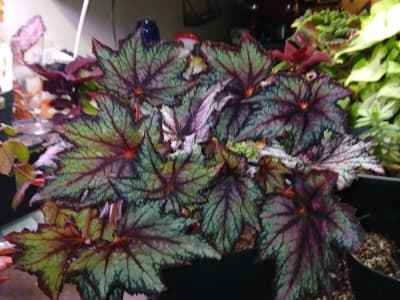
Real plants of this species grown and shared by the MyFloralVault community.


More in General






Was this helpful?
0 · 0
Care Guide Available
Learn how to grow and care for Crape Myrtle at home