Wine Cup
Crassula Umbella

Medicinal Facts
Crassula Umbella, commonly known as Wine Cup, is a succulent plant whose therapeutic potential is primarily attributed to its array of flavonoids and alkaloids. It stands at the intersection of traditional African herbal medicine, where it is used for its purported anti-inflammatory and wound-healing properties, and emerging phytochemical research exploring its antioxidant and antimicrobial activities. The plant's unique compounds are being investigated for their ability to modulate various biochemical pathways, though much of this research remains in the preclinical stages.
What it helps with
Anti-inflammatory effects
Compounds such as quercetin in Crassula Umbella have been shown to inhibit the NF-kB pathway, reducing the expression of pro-inflammatory cytokines like TNF-alpha and IL-6. This mechanism suggests potential for managing inflammatory conditions, although current evidence is primarily from in vitro studies.
Wound healing
The plant's alkaloids may enhance wound healing by promoting collagen synthesis and modulating TGF-beta signaling. Traditional uses in African medicine support this, but scientific validation is limited to animal models at present.
Antimicrobial activity
Flavonoids such as kaempferol exhibit antimicrobial properties by disrupting microbial cell membranes and inhibiting bacterial DNA gyrase. In vitro studies demonstrate efficacy against common pathogens, though clinical trials are lacking.
Antioxidant support
Crassula Umbella contains antioxidants like rutin that scavenge free radicals and upregulate Nrf2, enhancing cellular defense mechanisms. This action is primarily supported by in vitro assays.
Skin health
The plant's flavonoids may protect skin cells from oxidative stress by modulating Nrf2 and reducing MMP activity, which could slow the aging process. Evidence is primarily from in vitro studies and traditional usage.
Digestive health
Alkaloids in the plant are thought to support digestive health by modulating gut motility and reducing inflammation via COX-2 inhibition. This is suggested by traditional use, with scientific backing still in early stages.
Potential anti-cancer research
Preclinical studies indicate that compounds like quercetin may induce apoptosis in cancer cells through caspase activation and p53 modulation. This area is under active investigation, with current evidence limited to cell culture studies.
Key active compounds
Quercetin
A flavonoid that modulates the NF-kB pathway and scavenges free radicals. It is known for its poor bioavailability, which is a focus of formulation research.
Kaempferol
Another flavonoid with antimicrobial and anti-inflammatory properties. It inhibits bacterial DNA gyrase and reduces cytokine production.
Rutin
A glycoside of quercetin, it enhances capillary strength and exhibits strong antioxidant activity by upregulating Nrf2.
Alkaloids
These compounds contribute to the plant's potential anti-inflammatory and wound-healing effects by modulating TGF-beta and COX-2 pathways.
Saponins
Known for their ability to enhance the absorption of other compounds and exhibit antimicrobial properties by disrupting cell membranes.
Tannins
These polyphenolic compounds have astringent properties and may contribute to the plant's antimicrobial and antioxidant activities.
What the research says
Research on Crassula Umbella is primarily preclinical, focusing on its flavonoids and alkaloids. Quercetin and kaempferol show promise in in vitro studies for their anti-inflammatory and antimicrobial effects, while rutin is noted for its antioxidant properties. The main limitation is the lack of human clinical trials, with most studies conducted in vitro or in animal models. Addressing bioavailability issues, particularly for quercetin, is crucial for translating these findings into therapeutic applications.
Typical dosage
Crassula Umbella is not used for medicinal purposes, so there is no dosage guidance. It is best suited for ornamental display and should be cared for according to standard succulent maintenance practices.
About Wine Cup
Traditional Use
Preparations & Dosage
Preparations
- Ornamental display: Plant Crassula Umbella in a well-drained potting mix suitable for succulents. Place in a location with full sun to partial shade. Water sparingly, allowing the soil to dry out between waterings.
Interactions & Warnings
Use with caution
Crassula Umbella is primarily used as an ornamental plant and has minimal medicinal use. It is generally safe to handle, but ingestion is not recommended due to lack of edible use data.
Community Plants
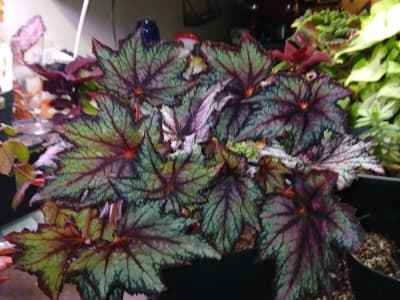
Real plants of this species grown and shared by the MyFloralVault community.

More in General




Was this helpful?
0 · 0
Care guides for related plants
Care Guide Available
Learn how to grow and care for Wine Cup at home