Chinese Chives
Allium tuberosum
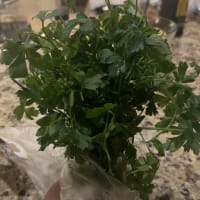
Allium tuberosum, commonly known as Chinese chives, is a flavorful herb native to Asia. Known for its garlic-like flavor, it is easy to grow and adds a unique touch to culinary dishes.
Everything it needs
9 essentials at a glance
Watering
Allium tuberosum prefers consistently moist soil but should not be waterlogged.
Water every 1-2 weeks, allowing the top inch of soil to dry out between waterings. During hotter months, increase frequency to once a week. Signs of over-watering include yellowing leaves and root rot, while under-watering may cause wilting and browning leaf tips.
Light
This plant thrives in full sun to partial shade.
Ideally, it should receive at least 6 hours of direct sunlight daily. In hotter climates, some afternoon shade can help prevent leaf scorch. It can tolerate light shade but may produce fewer flowers and less vigorous growth.
Soil
Allium tuberosum prefers well-draining soil with a pH range of 6.0 to 7.0.
A mix of loamy soil with organic matter, such as compost, is ideal. Ensure good drainage to prevent root rot, and consider using a potting mix formulated for herbs.
Humidity
This plant prefers moderate humidity levels around 40-60%.
To increase humidity, consider misting the leaves or placing a humidity tray filled with water near the plant. Signs of low humidity stress include browning leaf tips and slow growth.
Temperature
Allium tuberosum thrives in temperatures between 60-75°F (15-24°C).
It is hardy in USDA zones 3-9, tolerating light frost but not extreme heat. During summer, ensure adequate watering to prevent heat stress, and in winter, protect from freezing temperatures.
Fertilizing
Use a balanced fertilizer with an NPK ratio of 10-10-10, applying every 4-6 weeks during the growing season.
Reduce fertilization in the fall and winter months. Signs of nutrient deficiency include yellowing leaves and stunted growth.
Pruning
Prune back any dead or yellowing leaves to encourage new growth.
Use clean, sharp scissors or pruning shears to avoid damaging the plant. Deadheading spent flowers can also promote further blooming and maintain plant aesthetics.
Repotting
Repot every 2-3 years or when the plant becomes root-bound.
Choose a pot that is 1-2 inches larger in diameter. Signs it needs repotting include roots growing out of the drainage holes and stunted growth. Carefully remove the plant from its pot, loosen the roots, and place it in fresh potting mix.
Propagation
Propagation can be achieved through division or seeds.
For division, carefully separate the clumps in spring or fall, replanting them at the same depth. For seeds, sow them in spring after the last frost, covering lightly with soil. Keep the soil moist until germination occurs, which takes about 2-3 weeks.
When it's unhappy
Yellow leaves
Why it happens
This can be caused by over-watering or nutrient deficiency.
How to fix it
Adjust watering habits and consider fertilizing if nutrient deficiency is suspected.
Root rot
Why it happens
Over-watering or poor drainage can lead to root rot.
How to fix it
Ensure proper drainage and reduce watering frequency. Remove affected roots and repot in fresh soil.
Wilting leaves
Why it happens
Under-watering or extreme heat can cause wilting.
How to fix it
Increase watering frequency and provide shade during the hottest part of the day.
Pests (aphids, spider mites)
Why it happens
These pests can infest the plant, especially in dry conditions.
How to fix it
Use insecticidal soap or neem oil to treat infestations and maintain humidity levels.
Flowering failure
Why it happens
Insufficient light or nutrients can prevent flowering.
How to fix it
Ensure the plant receives adequate sunlight and consider fertilizing to promote blooming.
Care through the year
Spring
In spring, focus on fertilizing and watering as the plant begins to grow actively. Prune any dead leaves to encourage new growth.
Summer
During summer, ensure consistent watering, especially in hot weather. Provide some afternoon shade if temperatures soar.
Fall
In fall, reduce watering as the plant enters dormancy. You may also divide and repot if necessary.
Winter
In winter, protect the plant from freezing temperatures. If grown indoors, reduce watering and avoid fertilizing.
Toxicity & Safety
Allium tuberosum is non-toxic to pets and children. However, ingestion of large quantities may cause mild gastrointestinal upset. The leaves and flowers are safe to consume.
Good to know
How often should I water my Allium tuberosum?
Water your Chinese chives every 1-2 weeks, allowing the top inch of soil to dry out between waterings. Increase frequency during hot weather.
What light conditions do Chinese chives prefer?
Allium tuberosum thrives in full sun to partial shade, ideally receiving at least 6 hours of direct sunlight daily.
Can I grow Allium tuberosum indoors?
Yes, you can grow Chinese chives indoors as long as they receive adequate sunlight, ideally near a south-facing window.
What is the best soil for Allium tuberosum?
Chinese chives prefer well-draining soil with a pH of 6.0 to 7.0, ideally a mix of loamy soil and organic matter.
How do I propagate Allium tuberosum?
You can propagate Chinese chives through division or seeds. Division is best done in spring or fall, while seeds can be sown in spring.
What temperature is ideal for Allium tuberosum?
Chinese chives thrive in temperatures between 60-75°F (15-24°C) and are hardy in USDA zones 3-9.
Are Allium tuberosum toxic to pets?
No, Allium tuberosum is non-toxic to pets and children, making it a safe choice for home gardens.
Grows well with
Track this plant in your garden.
Set care reminders, log growth, and join a community of plant lovers.