Elderberry
Sambucus Ebulus

Medicinal Facts
Sambucus ebulus, often referred to as dwarf elder or danewort, is a lesser-known relative of the common elderberry, Sambucus nigra. Its medicinal profile is dominated by phenolic acids, flavonoids, and lectins, placing it at the intersection of traditional European herbalism, where it is employed for respiratory and inflammatory conditions, and modern phytochemical research focused on its antiviral and immunomodulatory properties. The plant's use is often overshadowed by its more famous cousin, but it holds unique promise due to its distinct compound profile.
What it helps with
Respiratory infections
Sambucus ebulus contains flavonoids like quercetin and rutin, which may inhibit viral replication by interfering with viral entry and replication mechanisms. These compounds can modulate immune response by enhancing the activity of macrophages and cytokine production, as suggested by in vitro studies, though human trials are limited.
Immune modulation
Lectins in Sambucus ebulus, such as ebulin, bind to glycoproteins on cell surfaces, potentially enhancing immune surveillance and response. This action may stimulate lymphocyte proliferation and cytokine production, as observed in preclinical models, indicating a potential role in immune system support.
Inflammation
Phenolic acids in Sambucus ebulus, including chlorogenic acid, inhibit the NF-kB pathway, reducing the production of pro-inflammatory cytokines like TNF-a and IL-6. This mechanism is supported by animal studies that demonstrate reduced inflammatory markers, though clinical evidence is still emerging.
Antioxidant support
Sambucus ebulus is rich in flavonoids and phenolic acids that activate the Nrf2 pathway, leading to increased expression of antioxidant enzymes such as superoxide dismutase (SOD) and glutathione peroxidase. This action helps neutralize oxidative stress, with evidence primarily from in vitro and animal studies.
Antiviral activity
The antiviral properties of Sambucus ebulus are attributed to its flavonoid content, which can block viral attachment and entry into host cells. This is particularly noted against influenza viruses in laboratory settings, although human clinical trials are sparse.
Digestive health
Traditionally, Sambucus ebulus has been used to support digestive health, possibly due to its mild laxative effects. This is thought to be mediated by its anthocyanin content, which may influence gut motility and microbiota balance, though specific molecular pathways remain under-researched.
Pain relief
The analgesic effects of Sambucus ebulus are linked to its flavonoid and phenolic content, which may inhibit COX enzymes and reduce prostaglandin synthesis, thereby alleviating pain. This use is supported by traditional applications and animal studies, but lacks robust clinical trials.
Key active compounds
Quercetin
A flavonoid with antiviral and anti-inflammatory properties. It inhibits viral replication and modulates immune response by affecting key signaling pathways like NF-kB and MAPK.
Rutin
A glycoside of quercetin that enhances capillary strength and exhibits antioxidant activity. It may improve bioavailability of quercetin and contributes to the plant's overall therapeutic effects.
Ebulin
A type of lectin that binds to cell surface glycoproteins, potentially modulating immune response. It is studied for its ability to stimulate lymphocyte activity and cytokine production.
Chlorogenic acid
A phenolic acid that inhibits NF-kB, providing anti-inflammatory effects. It also contributes to antioxidant defense by activating the Nrf2 pathway.
Anthocyanins
Pigments with potential digestive health benefits. They may modulate gut microbiota and enhance gut motility, although specific mechanisms in Sambucus ebulus are less defined.
Kaempferol
A flavonoid with anti-inflammatory and antioxidant properties. It influences pathways such as PI3K/Akt and Nrf2, contributing to cellular protection and immune modulation.
Caffeic acid
A phenolic compound with antioxidant properties, known to scavenge free radicals and support cellular defenses. It also modulates inflammatory pathways such as COX and LOX.
What the research says
Research on Sambucus ebulus is primarily preclinical, with a focus on its antiviral and anti-inflammatory properties. Flavonoids like quercetin and rutin have shown promising results in vitro for inhibiting viral replication and modulating immune responses, but human studies are needed to confirm these effects. The plant's phenolic acids, such as chlorogenic acid, are well-documented for their antioxidant and anti-inflammatory actions in animal models, yet clinical data is sparse. The main limitation in translating these findings to human use is the lack of standardized extracts and bioavailability challenges, which are being addressed through novel formulation strategies and enhanced extraction techniques.
Typical dosage
For elderberry syrup, a common dosage is 1 tablespoon (15 ml) taken 2-3 times daily for adults, and 1 teaspoon (5 ml) for children. For tea, steep 1-2 teaspoons of dried berries in hot water for 10-15 minutes, and consume up to three times a day. Tinctures can be taken at a dose of 1-2 ml up to three times daily. Capsules should be taken according to the manufacturer's instructions, typically 300-600 mg per day.
About Elderberry
Traditional Use
Preparations & Dosage
Preparations
- Tea / Infusion: Use 1-2 teaspoons of dried elderberries per cup of boiling water. Steep for 10-15 minutes, then strain. Sweeten with honey if desired.
- Tincture: Combine 1 part dried elderberries with 4 parts alcohol (such as vodka) in a glass jar. Seal and store in a dark place for 4-6 weeks, shaking occasionally. Strain before use.
- Syrup: Simmer 1 cup of dried elderberries with 3 cups of water for 45 minutes. Strain and add 1 cup of honey. Store in a sterilized bottle.
Interactions & Warnings
Use with caution
Sambucus ebulus contains compounds that can be toxic if not properly prepared. Unripe berries, leaves, and stems should not be consumed as they contain cyanogenic glycosides. Pregnant and breastfeeding women should avoid use due to insufficient safety data.
Herb Interactions
May increase photosensitivity when combined.
Community Plants
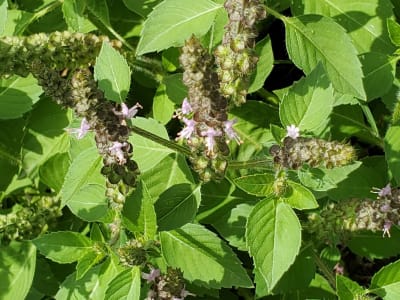
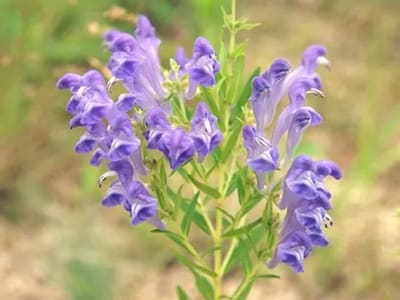
Real plants of this species grown and shared by the MyFloralVault community.

More in Immune Support





Was this helpful?
0 · 0
Care guides for related plants
Care Guide Available
Learn how to grow and care for Elderberry at home