Arctic Raspberry
Rubus Arcticus

Medicinal Facts
Rubus arcticus, commonly known as Arctic Raspberry, is rich in ellagitannins and anthocyanins, particularly cyanidin-3-glucoside. This plant sits at the intersection of traditional Scandinavian and Siberian medicine, where it has been used for centuries to support vitality and treat infections, and modern research that explores its potential in oxidative stress modulation and neuroprotection. Its bioactive compounds are studied for their effects on inflammation, cardiovascular health, and cellular aging.
What it helps with
Oxidative stress & cellular protection
Ellagitannins from Rubus arcticus are hydrolyzed to release ellagic acid, which activates Nrf2, a transcription factor that upregulates antioxidant defenses including glutathione S-transferase and NAD(P)H quinone dehydrogenase 1. This mechanism supports cellular resilience against oxidative damage, with evidence primarily from in vitro studies and traditional use.
Neuroprotection & cognitive health
Anthocyanins, especially cyanidin-3-glucoside, cross the blood-brain barrier and exhibit neuroprotective effects by inhibiting neuroinflammatory pathways such as NF-kB and modulating BDNF levels. Animal studies suggest potential benefits for cognitive function and protection against neurodegenerative processes.
Cardiovascular health
Ellagic acid and anthocyanins in Arctic Raspberry may enhance endothelial function by increasing nitric oxide (NO) bioavailability through eNOS activation. This vasodilatory effect, supported by animal models, suggests potential for improving blood pressure and vascular health.
Anti-inflammatory effects
Ellagitannins inhibit pro-inflammatory cytokines such as TNF-a and IL-6 by modulating NF-kB signaling pathways. This action is supported by in vitro studies and aligns with traditional uses for inflammatory conditions.
Immune support
The immunomodulatory effects of Arctic Raspberry are attributed to its ellagitannins, which enhance macrophage activity and cytokine production, potentially supporting immune resilience. This is primarily based on traditional use and early preclinical research.
Longevity & cellular aging
Ellagic acid has been shown to activate SIRT1, a sirtuin associated with longevity, and may influence telomere maintenance through TERT activation. These effects suggest a role in promoting cellular longevity, with evidence mostly from animal and in vitro studies.
Antimicrobial properties
Arctic Raspberry exhibits antimicrobial activity, particularly against Gram-positive bacteria, due to its high ellagitannin content. This traditional use is supported by in vitro studies showing inhibition of bacterial growth.
Key active compounds
Ellagitannins
Polyphenolic compounds that hydrolyze to ellagic acid, which activates Nrf2 and inhibits NF-kB, contributing to antioxidant and anti-inflammatory effects. They also exhibit antimicrobial properties.
Cyanidin-3-glucoside
An anthocyanin that crosses the blood-brain barrier, modulates BDNF, and inhibits neuroinflammatory pathways, contributing to neuroprotection.
Ellagic acid
A metabolite of ellagitannins that activates SIRT1 and influences telomere maintenance, supporting cellular longevity and anti-aging effects.
Quercetin
A flavonoid with antioxidant properties that modulates NF-kB and inhibits histamine release, contributing to anti-inflammatory and immune-supportive effects.
Kaempferol
A flavonoid that inhibits pro-inflammatory cytokines and enhances endothelial function by modulating eNOS activity.
Catechins
Polyphenolic compounds that contribute to the antioxidant capacity of Arctic Raspberry, scavenging free radicals and modulating oxidative stress pathways.
Gallic acid
An antioxidant that inhibits lipid peroxidation and modulates inflammatory pathways, supporting cellular protection and anti-inflammatory effects.
What the research says
Research on Rubus arcticus focuses primarily on its antioxidant and neuroprotective properties. Ellagitannins and anthocyanins have the strongest evidence in preclinical studies, particularly in vitro and animal models, demonstrating effects on oxidative stress and neuroinflammation. Human studies are limited but suggest potential cardiovascular and anti-inflammatory benefits. The main limitation is the bioavailability of ellagitannins and anthocyanins, which is often addressed by studying their metabolites, such as ellagic acid, or using advanced delivery systems to enhance absorption.
Typical dosage
For a tea or infusion, use 1-2 teaspoons of dried Arctic Raspberry leaves or berries per cup of boiling water. Steep for 10-15 minutes and consume up to three times daily. For tinctures, a common dosage is 1-2 ml taken up to three times a day. If using syrup, a tablespoon can be taken as needed for cold and flu symptoms. Capsules should be taken according to the manufacturer's instructions, typically 1-2 capsules daily.
About Arctic Raspberry
Traditional Use
Preparations & Dosage
Preparations
- Tea / Infusion: Use 1-2 teaspoons of dried Arctic Raspberry leaves or berries per cup of boiling water. Steep for 10-15 minutes, strain, and serve. Add honey or lemon for taste if desired.
- Tincture: Combine 1 part dried Arctic Raspberry berries with 5 parts alcohol (such as vodka) in a glass jar. Seal tightly and store in a cool, dark place for 4-6 weeks, shaking occasionally. Strain and store in a dark bottle.
- Syrup: Simmer 1 cup of Arctic Raspberry berries in 2 cups of water for 30 minutes. Strain, then add 1 cup of honey to the liquid and stir until dissolved. Store in a sterilized bottle.
Interactions & Warnings
Use with caution
Rubus arcticus is generally considered safe for consumption. However, individuals with allergies to the Rosaceae family should exercise caution. Pregnant and breastfeeding women should consult a healthcare provider before use.
Herb Interactions
Combining with ginger may enhance anti-inflammatory effects, beneficial for cold and flu symptoms.
Community Plants
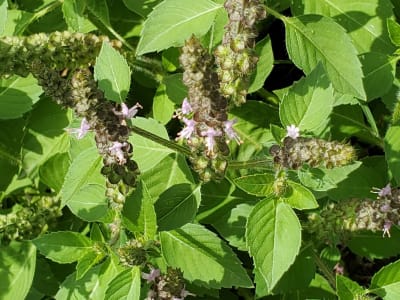
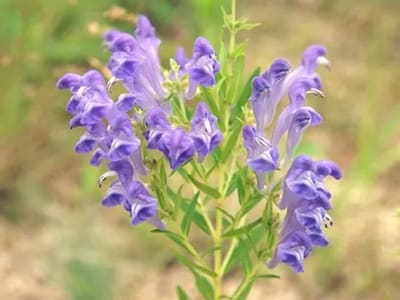
Real plants of this species grown and shared by the MyFloralVault community.

More in Immune Support





Was this helpful?
0 · 0
Care Guide Available
Learn how to grow and care for Arctic Raspberry at home