Almond Mushroom
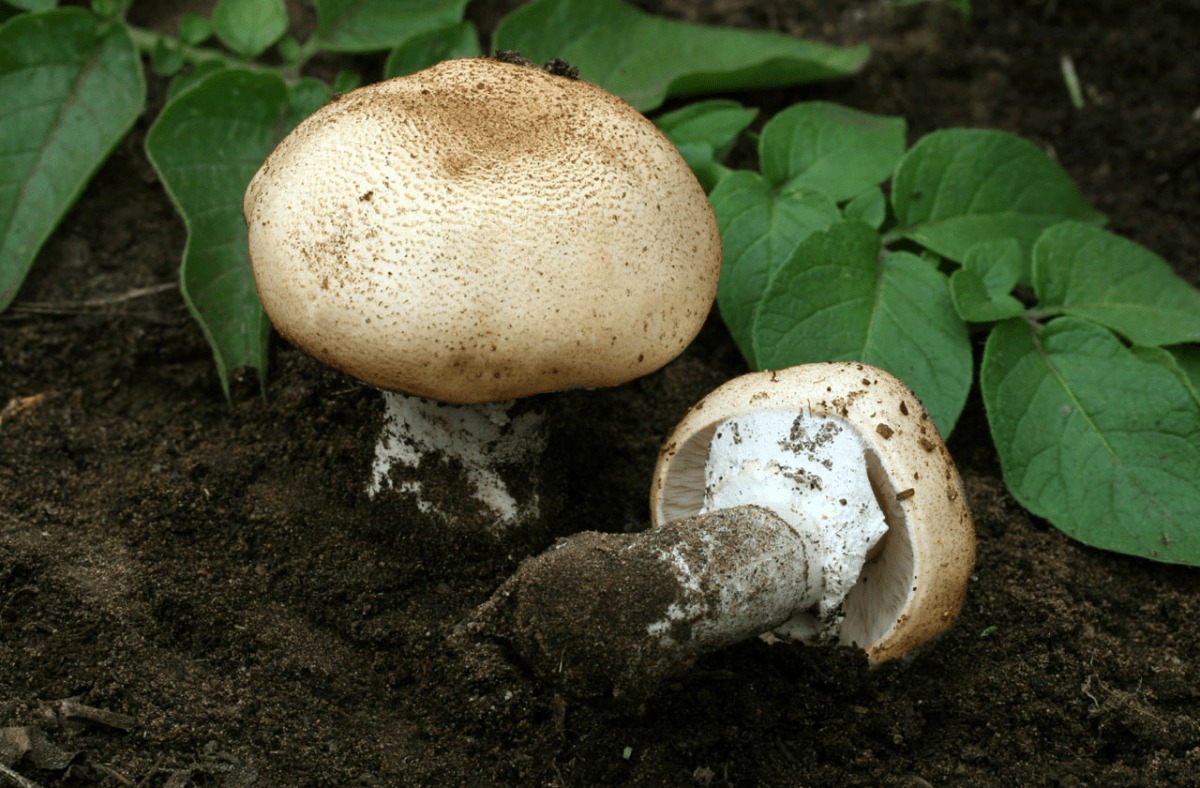
Agaricus Subrufescens
Medicinal Facts
Agaricus subrufescens, commonly known as the Almond Mushroom, is rich in bioactive compounds such as beta-glucans, ergosterol, and various polysaccharides. It stands at the intersection of traditional Japanese and Brazilian folk medicine, where it has been used for immune support and vitality, and contemporary research exploring its potential in immunomodulation and oncology. The mushroom's polysaccharides, particularly beta-glucans, are central to its medicinal profile, influencing immune pathways and potentially offering adjunctive support in cancer protocols.
What it helps with
Immune modulation
Beta-glucans from Agaricus subrufescens bind to dectin-1 receptors on macrophages and dendritic cells, enhancing the release of cytokines such as IL-1, IL-6, and TNF-alpha. This interaction stimulates both innate and adaptive immune responses. Human trials have shown increased natural killer cell activity, suggesting potential benefits in immune-compromised states.
Cancer support
Polysaccharides in Agaricus subrufescens, particularly beta-glucans, activate NF-kB and MAPK pathways, leading to apoptosis in certain cancer cell lines. Preclinical studies demonstrate inhibition of tumor growth and metastasis, although human evidence is limited and primarily adjunctive to conventional therapies.
Metabolic health
Ergosterol in the mushroom acts as a precursor to vitamin D2, which is crucial for calcium metabolism and insulin sensitivity. Animal studies suggest improved glucose metabolism and lipid profiles, but human data are preliminary.
Anti-inflammatory effects
The mushroom's polysaccharides inhibit COX-2 and iNOS expression, reducing the production of pro-inflammatory mediators. This mechanism has been observed in vitro and in animal models, indicating potential for chronic inflammatory conditions.
Antioxidant support
Agaricus subrufescens contains phenolic compounds that upregulate Nrf2, enhancing the expression of phase II detoxification enzymes like glutathione S-transferase. This action contributes to its antioxidant capacity, which has been demonstrated in vitro and in animal models.
Liver protection
The polysaccharides in this mushroom have been shown to modulate the expression of CYP450 enzymes, reducing oxidative stress in hepatocytes. Animal studies indicate potential hepatoprotective effects, although human trials are needed for confirmation.
Gut health
Beta-glucans and other polysaccharides in Agaricus subrufescens act as prebiotics, promoting the growth of beneficial gut microbiota. This modulation of the gut environment has been observed in animal studies, suggesting potential benefits for digestive health.
Key active compounds
Beta-glucans
These polysaccharides are key immunomodulatory agents that bind to dectin-1 receptors, enhancing cytokine production and immune cell activity. They are central to the mushroom's therapeutic effects, particularly in immune support.
Ergosterol
A precursor to vitamin D2, ergosterol plays a role in metabolic health by influencing calcium and glucose metabolism. It also contributes to the mushroom's antioxidant properties.
Polysaccharides
Beyond beta-glucans, other polysaccharides in the mushroom exhibit anti-inflammatory and antioxidant effects by modulating NF-kB and Nrf2 pathways.
Phenolic compounds
These compounds contribute to the antioxidant capacity of the mushroom by activating Nrf2 and increasing the expression of detoxification enzymes.
Lectins
Proteins that can bind to carbohydrates, lectins in Agaricus subrufescens have shown potential in modulating immune responses and inhibiting tumor cell proliferation in vitro.
Agaritine
An aromatic hydrazine with potential anti-cancer properties, although its safety and efficacy are under investigation due to concerns about toxicity at high levels.
Chitin
A structural polysaccharide that contributes to the mushroom's prebiotic effects, supporting gut health by promoting beneficial microbiota.
What the research says
Research on Agaricus subrufescens is robust in the areas of immunomodulation and oncology. Beta-glucans have the strongest human evidence, particularly in enhancing immune function and as adjuncts in cancer therapy, demonstrated in several clinical trials. Metabolic health benefits, driven by ergosterol and vitamin D2 conversion, are mostly supported by animal studies. The primary limitation in research is the variability in bioactive compound content due to cultivation conditions and extraction methods. Standardization of extracts and further human trials are necessary to fully elucidate its therapeutic potential.
Typical dosage
For capsules, a common dosage is 500-1000 mg taken 1-3 times daily. When using powder, 1-2 grams can be mixed with water or juice and consumed up to three times a day. For tea, steep 1-2 teaspoons of dried mushroom in hot water for 10-15 minutes, drinking 1-2 cups per day. Tinctures can be taken at a dosage of 1-2 ml, up to three times daily. It is advisable to start with a lower dose and gradually increase as tolerated.
About Almond Mushroom
Traditional Use
Preparations & Dosage
Preparations
- Tea / Infusion: Use 1-2 teaspoons of dried Agaricus subrufescens. Boil water and pour over the mushroom. Let it steep for 10-15 minutes, then strain and enjoy. Add honey or lemon for flavor if desired.
- Capsule: Take 500-1000 mg of Agaricus subrufescens extract in capsule form, 1-3 times daily with meals.
- Powder: Mix 1-2 grams of Agaricus subrufescens powder with water, juice, or a smoothie. Consume up to three times daily.
- Tincture: Use 1-2 ml of Agaricus subrufescens tincture, taken up to three times daily. Can be added to water or juice.
Interactions & Warnings
Use with caution
Agaricus subrufescens is generally considered safe for most people, but those with mushroom allergies or autoimmune conditions should avoid it. High doses may cause digestive upset, and it should be used with caution by individuals taking immunosuppressive medications.
Herb Interactions
May enhance immune stimulation, which could be problematic for those with autoimmune disorders.
Potential for additive effects on blood sugar regulation, requiring monitoring.
Community Plants
Real plants of this species grown and shared by the MyFloralVault community.

More in Immune Support





Was this helpful?
0 · 0
Care Guide Available
Learn how to grow and care for Almond Mushroom at home