Almond Mushroom
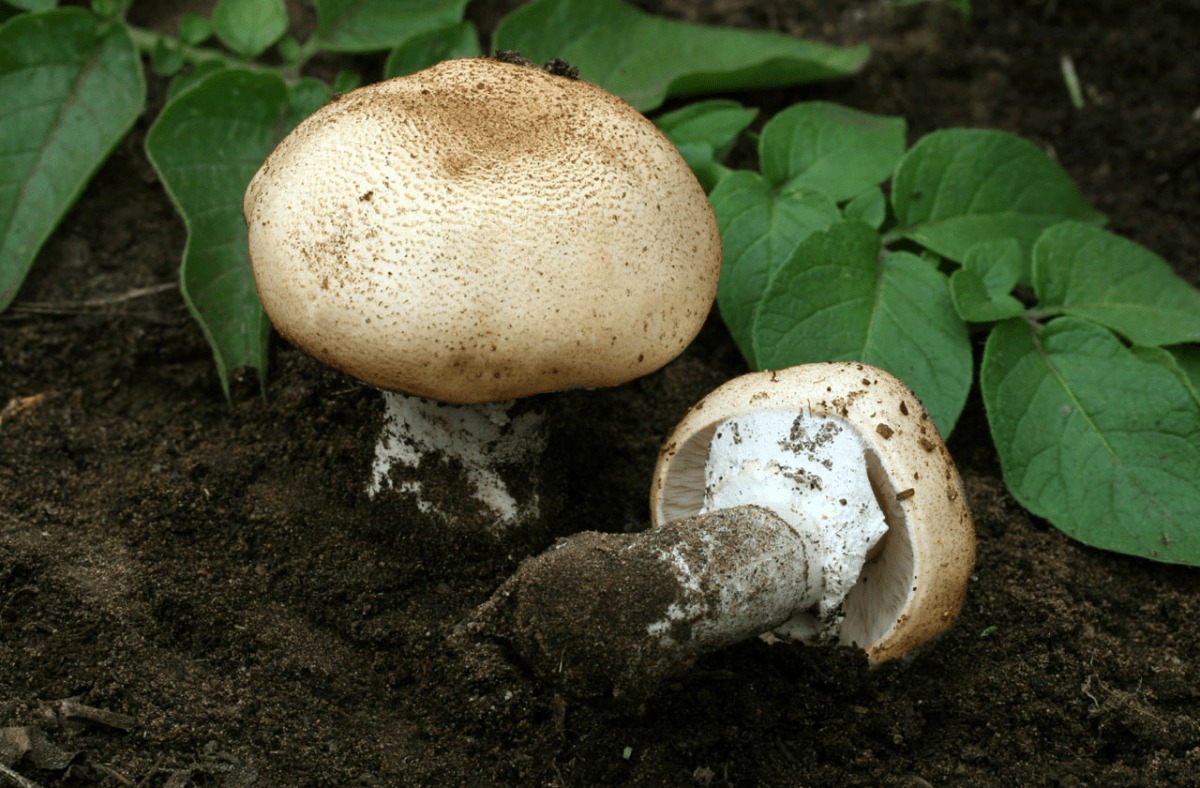
Description by @jominime
shown to have antitumor, anti-infection, and antiallergic/asthmatic properties.
ABM restores the immune system's internal balance between Th1 (antiviral, antitumor) and Th2 (allergic, inflammatory) responses. modern life, stress, poor diet, and certain diseases push the balance toward Th2 dominance, driving allergies, asthma, and cancer-permissive immune states. ABM corrects this through innate immune cell activation, making it good for allergy, asthma, cancer, and chronic infection simultaneously.
antitumor properties in fibrosarcoma, myeloma, ovarian, lung, prostate cancer, and gynecological cancer.
increased NK cell activity, quality of life, and induces apoptosis in leukemia cells.
ABM β-glucan physically binds to benzo[a]pyrene (one of the most potent cancer-causing chemicals from cigarette smoke and grilled food) preventing it from damaging DNA.
sepsis (the life-threatening inflammatory response to infection) is one of the leading causes of ICU mortality globally.
ABM reduced sepsis severity by lowering the oxidative stress and inflammatory cascade that makes sepsis fatal.
Studies show it can help manage type 2 diabetes by reducing insulin resistance and stabilizing glycemic profiles.
it can help lower high cholesterol and aid in managing arteriosclerosis.
ABM reduces intestinal inflammation in IBD patients in clinical studies, acts as a prebiotic feeding beneficial gut bacteria, and modulates the intestinal immune response.
ergosterol peroxide (present in the fungal cell walls) specifically activates Nrf2 (the longevity pathway). ABM reduces inflammaging (the chronic low-grade inflammation that accelerates biological aging).
generating over $1 billion annually in Japanese supplement sales.
used raw in salads or cooked, flavor intensifies with cooking.
the primary safety concern is agaritine, a compound that shows mutagenic effects in lab tests but degrades significantly with cooking and drying.
Japan has consumed this mushroom at mass scale for decades without documented cancer risk from it. cooked or dried forms are safer than high-dose raw extracts.
Related Plants
Plant information is for educational purposes only.