Yarrow
Achillea Millefolium
Medicinal Facts
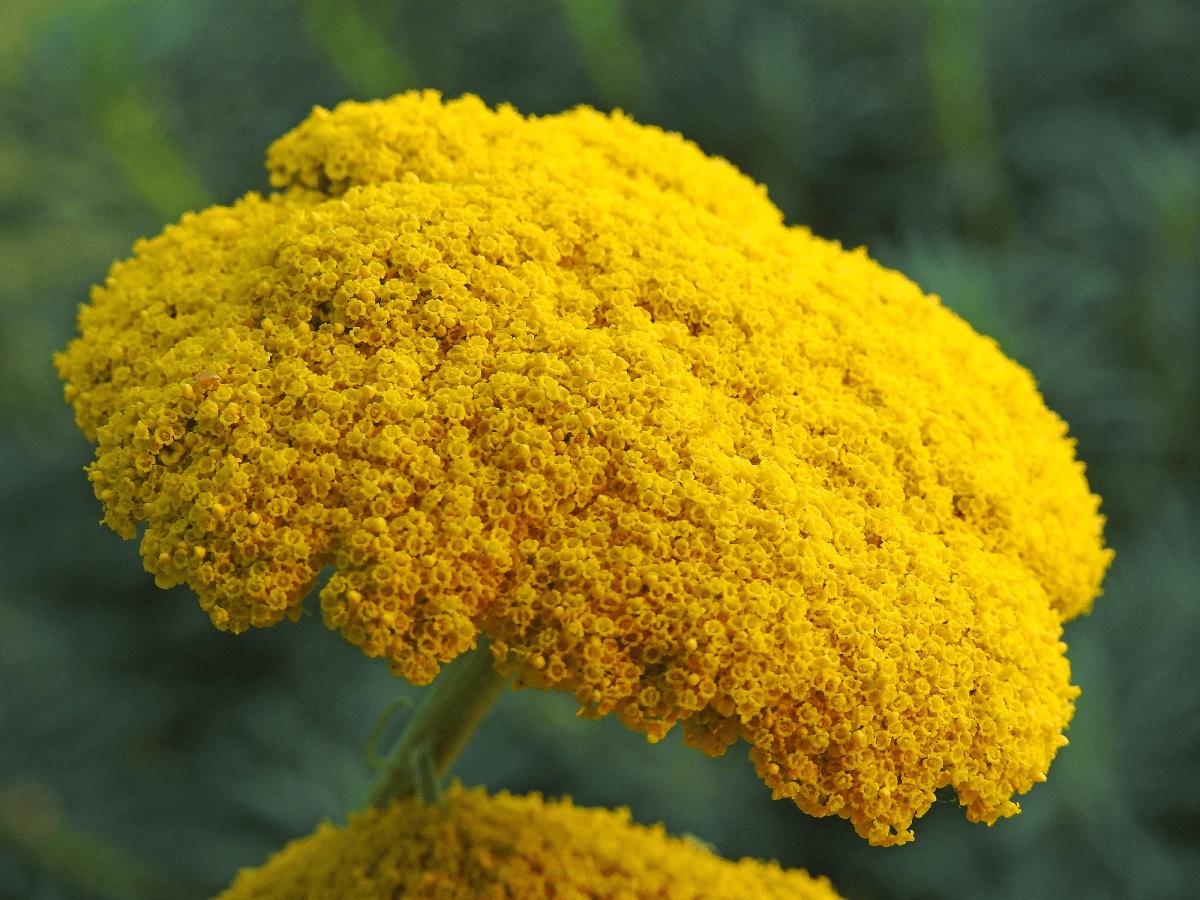
Yarrow, or Achillea millefolium, is a plant rich in sesquiterpene lactones like achillin and flavonoids such as apigenin and luteolin. It stands at the intersection of traditional European herbal medicine, where it is used for wound healing and digestive issues, and modern pharmacological research exploring its anti-inflammatory and hemostatic properties. The plant's diverse phytochemistry also includes alkaloids and essential oils, which contribute to its multifaceted therapeutic potential. Yarrow's traditional use is supported by contemporary studies investigating its effects on pathways like NF-kB and COX-2, critical in inflammation and pain management.
What it helps with
Wound healing
Yarrow's traditional use in wound healing is supported by its ability to modulate the NF-kB pathway, reducing inflammation. The sesquiterpene lactones, particularly achillin, promote coagulation and fibroblast activity, enhancing tissue repair. Human and animal studies highlight its efficacy in accelerating wound closure and reducing infection risk.
Digestive health
Yarrow contains flavonoids like apigenin and luteolin, which exert antispasmodic effects on the gastrointestinal tract by modulating calcium channels and reducing smooth muscle contractions. This action helps alleviate symptoms of dyspepsia and irritable bowel syndrome, with evidence primarily from traditional use and animal studies.
Menstrual disorders
The plant's alkaloids and essential oils may influence uterine contractions and help regulate menstrual flow. The mechanism involves modulation of prostaglandin synthesis and calcium ion channels, although evidence is largely anecdotal and based on traditional practices.
Anti-inflammatory effects
Yarrow's anti-inflammatory properties are attributed to its inhibition of the COX-2 enzyme and modulation of the NF-kB signaling pathway, reducing the production of pro-inflammatory cytokines like IL-6 and TNF-a. This is supported by in vitro and animal studies.
Antimicrobial activity
Essential oils in yarrow, such as camphor and borneol, exhibit antimicrobial effects by disrupting bacterial cell membranes and inhibiting biofilm formation. These properties are validated by in vitro studies, suggesting potential in treating minor infections.
Anxiety & mood regulation
Flavonoids like apigenin interact with GABA-A receptors, promoting anxiolytic effects. This mechanism is supported by animal studies, which show reduced anxiety-like behaviors, although human data are limited.
Circulatory health
Yarrow's hemostatic effects are linked to its sesquiterpene lactones, which enhance platelet aggregation and vascular tone. This supports its traditional use in managing minor bleeding and circulatory issues, with evidence primarily from traditional sources and preliminary studies.
Key active compounds
Achillin
A sesquiterpene lactone that contributes to yarrow's hemostatic and anti-inflammatory effects by modulating NF-kB and promoting platelet aggregation.
Apigenin
A flavonoid that exerts antispasmodic and anxiolytic effects by interacting with GABA-A receptors and modulating calcium channels.
Luteolin
A flavonoid with anti-inflammatory properties, inhibiting COX-2 and NF-kB pathways, and contributing to digestive health by reducing smooth muscle contractions.
Camphor
An essential oil component with antimicrobial activity, disrupting bacterial cell membranes and inhibiting biofilm formation.
Borneol
An essential oil that enhances antimicrobial effects and may contribute to the plant's aromatic and therapeutic profile.
Alkaloids
These compounds may influence uterine contractions and menstrual flow, although their specific mechanisms in yarrow are less well-defined.
Volatile oils
A complex mixture contributing to yarrow's antimicrobial and anti-inflammatory properties, enhancing overall therapeutic efficacy.
What the research says
Research on yarrow clusters around its anti-inflammatory, hemostatic, and antimicrobial properties. Sesquiterpene lactones like achillin have strong evidence in animal models for wound healing and inflammation. Flavonoids such as apigenin and luteolin are well-studied for their digestive and anxiolytic effects, primarily in preclinical settings. The main limitation in yarrow's therapeutic use is the variability in active compound concentration across different plant preparations, which is addressed by standardization of extracts and further pharmacokinetic studies to optimize bioavailability.
Typical dosage
For tea or infusion, use 1-2 teaspoons of dried yarrow flowers or leaves per cup of boiling water, steep for 10-15 minutes, and consume up to three times daily. Tinctures can be taken in doses of 1-2 ml up to three times daily. For topical applications, a poultice can be made by crushing fresh leaves and applying them directly to the skin. Essential oils should be diluted before use and applied sparingly to avoid skin irritation.
About Yarrow
Traditional Use
Preparations & Dosage
Preparations
- Tea / Infusion: Use 1-2 teaspoons of dried yarrow flowers or leaves per cup of boiling water. Steep for 10-15 minutes, strain, and drink warm. Add honey or lemon for taste if desired.
- Tincture: Use a dropper to measure 1-2 ml of yarrow tincture. Mix with water or juice and consume up to three times daily.
- Poultice: Crush fresh yarrow leaves into a paste and apply directly to the affected area. Cover with a clean cloth or bandage.
- Essential Oil: Dilute yarrow essential oil with a carrier oil (e.g., coconut or jojoba) at a ratio of 1:10. Apply topically to the skin or use in aromatherapy.
Interactions & Warnings
Use with caution
Yarrow should be used with caution during pregnancy as it may stimulate uterine contractions. It can cause allergic reactions in individuals sensitive to plants in the Asteraceae family. Prolonged use may lead to photosensitivity.
Herb Interactions
Both herbs may increase photosensitivity, leading to a higher risk of sunburn.
May enhance sedative effects when used together, leading to increased drowsiness.
Community Plants
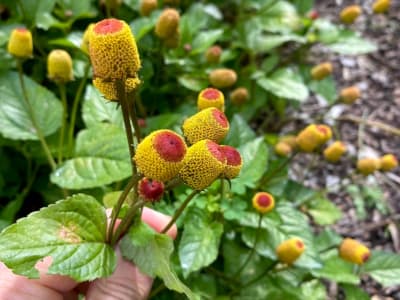
Real plants of this species grown and shared by the MyFloralVault community.
More in Pain & Inflammation



Was this helpful?
0 · 0
Care Guide Available
Learn how to grow and care for Yarrow at home