Feverfew
Tanacetum Parthenium
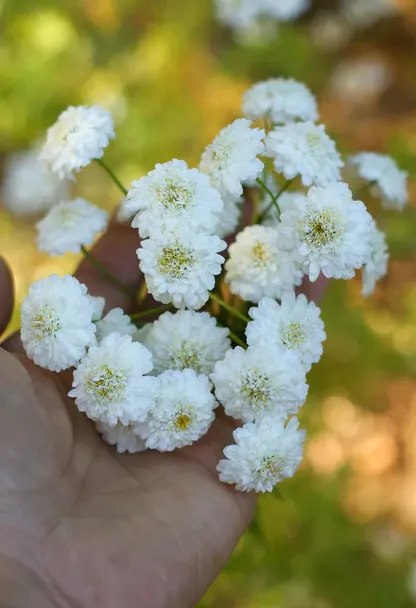
Medicinal Facts
Feverfew (Tanacetum parthenium) is primarily known for its sesquiterpene lactone content, especially parthenolide, which exerts anti-inflammatory and migraine-modulating effects. It stands at the intersection of traditional European herbalism, where it has been used for centuries to alleviate headaches and fevers, and contemporary pharmacological research focusing on its NF-kB inhibition and serotonin receptor modulation. Feverfew's therapeutic promise is tempered by variability in active compound content across preparations, necessitating standardization for consistent efficacy.
What it helps with
Migraine prevention
Parthenolide inhibits NF-kB and modulates serotonin release by acting on 5-HT2A receptors, which can reduce the frequency and severity of migraines. Clinical trials have shown mixed results, with standardized extracts demonstrating more consistent benefits.
Inflammation & pain
Parthenolide suppresses pro-inflammatory cytokines like TNF-a and IL-1b by inhibiting the NF-kB pathway and reducing COX-2 expression. This mechanism is supported by both in vitro studies and traditional use for inflammatory conditions.
Arthritis
Feverfew's anti-inflammatory properties, primarily through parthenolide's inhibition of NF-kB and COX-2, may help reduce joint inflammation and pain. Animal studies and some human trials suggest potential benefits, though more research is needed for conclusive evidence.
Menstrual discomfort
Traditionally used for dysmenorrhea, feverfew may alleviate menstrual pain through its anti-inflammatory actions and potential modulation of prostaglandin synthesis, although specific human studies are limited.
Cancer research
In preclinical models, parthenolide induces apoptosis and inhibits angiogenesis in cancer cells by modulating NF-kB and STAT3 pathways. This area remains primarily experimental, with most evidence from cell and animal studies.
Allergic reactions
Parthenolide may reduce histamine release and modulate mast cell activity, potentially alleviating allergic symptoms. Evidence is largely preclinical, with few human studies to date.
Digestive health
Feverfew has been traditionally used to support digestive health, possibly by reducing inflammation in the gastrointestinal tract through NF-kB inhibition, though specific mechanisms and clinical evidence are sparse.
Key active compounds
Parthenolide
A sesquiterpene lactone that inhibits NF-kB, modulates serotonin receptors, and reduces pro-inflammatory cytokines. It is the primary active compound in feverfew, though its content can vary significantly between preparations.
Canin
A flavonoid with potential antioxidant properties, contributing to feverfew's overall anti-inflammatory effects. Its specific pharmacological actions are less well characterized than parthenolide.
Tanetin
A flavonoid glycoside that may contribute to the herb's anti-inflammatory and antioxidant activities, though its role is not as prominent as parthenolide.
Santamarin
Another sesquiterpene lactone, which may contribute to the anti-inflammatory effects by similar mechanisms to parthenolide, though it is less studied.
Chrysanthemonin
A flavonoid glycoside that may offer antioxidant benefits, potentially enhancing the herb's overall efficacy in reducing oxidative stress.
Apigenin
A flavonoid with known anti-inflammatory and antioxidant properties, which may synergize with parthenolide to enhance feverfew's therapeutic effects.
What the research says
Research on feverfew primarily focuses on migraine prevention and anti-inflammatory effects. Parthenolide has shown promise in reducing migraine frequency through NF-kB inhibition and serotonin modulation, with several human trials supporting its use, though results can vary based on extract standardization. Inflammation-related research highlights feverfew's ability to inhibit pro-inflammatory cytokines and enzymes, with preclinical models supporting its potential in arthritis and other inflammatory conditions. The main limitation is the variability in parthenolide content across different preparations, which affects efficacy. Standardized extracts are recommended to ensure consistent therapeutic outcomes.
Typical dosage
For tea, use 1-2 teaspoons of dried feverfew leaves per cup of boiling water, steep for 10 minutes, and consume up to twice daily. Tinctures can be taken at a dose of 30-60 drops in water or juice, up to three times daily. Capsules typically contain 100-300 mg of feverfew extract, taken once or twice daily. For topical use, a poultice can be made from fresh leaves and applied to the affected area. Essential oil should be diluted before use and applied sparingly.
About Feverfew
Traditional Use
Preparations & Dosage
Preparations
- Tea / Infusion: Use 1-2 teaspoons of dried feverfew leaves per cup of boiling water. Steep for 10 minutes, strain, and drink. Add honey or lemon to taste if desired.
- Tincture: Add 30-60 drops of feverfew tincture to a small amount of water or juice. Stir and consume up to three times daily.
- Capsule: Take 100-300 mg of feverfew extract in capsule form once or twice daily with meals.
- Poultice: Crush fresh feverfew leaves and apply directly to the skin, covering with a clean cloth. Leave on for 15-30 minutes.
Interactions & Warnings
Use with caution
Feverfew may cause allergic reactions, especially in individuals sensitive to the Asteraceae family. Pregnant women should avoid it due to potential uterine contractions. It may interact with blood-thinning medications and should be used cautiously in individuals with bleeding disorders.
Herb Interactions
Both feverfew and ginkgo have blood-thinning properties, which may increase the risk of bleeding when combined.
Community Plants
Real plants of this species grown and shared by the MyFloralVault community.

More in Pain & Inflammation



Was this helpful?
0 · 0
Care Guide Available
Learn how to grow and care for Feverfew at home