Cramp Bark
Viburnum Opulus
Medicinal Facts
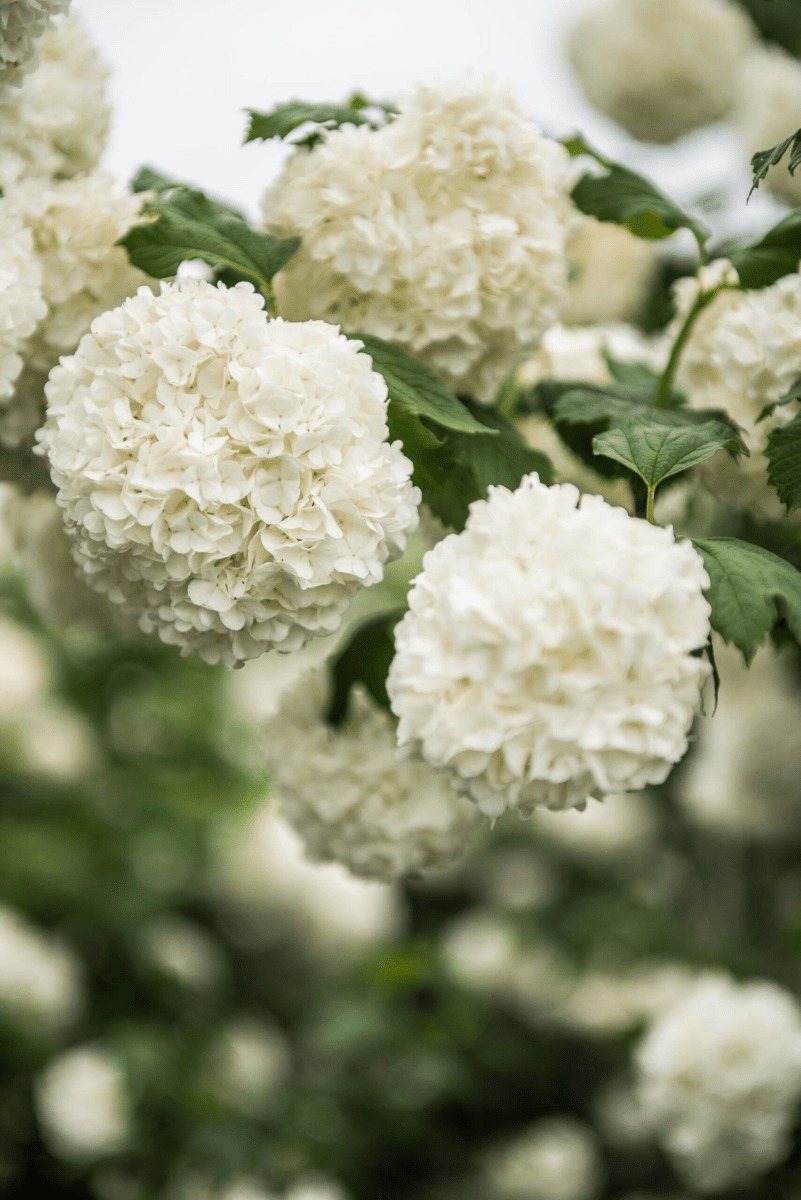
Cramp Bark (Viburnum opulus) is renowned for its muscle-relaxing and antispasmodic properties, primarily attributed to its active compounds viburnine and salicin. It stands at the intersection of traditional Western herbalism, where it is used for menstrual cramps and muscle tension, and emerging pharmacological research that investigates its role in smooth muscle modulation and inflammation control. The plant's traditional use is supported by its ability to influence calcium channels and prostaglandin synthesis, offering a natural alternative to synthetic muscle relaxants.
What it helps with
Menstrual cramps
Viburnine, a key alkaloid in Cramp Bark, is thought to relax uterine smooth muscle by modulating calcium ion channels, reducing spasmodic activity. This mechanism is supported by traditional use and anecdotal evidence, although direct human trials are limited.
Muscle spasms
The bark's antispasmodic effects are linked to its influence on calcium ion channels and its potential to inhibit prostaglandin synthesis, thereby reducing muscle contractions and inflammation. Animal studies provide a basis for its use in muscle spasm relief.
Inflammation
Salicin, a salicylate compound found in Cramp Bark, acts as a precursor to salicylic acid, inhibiting cyclooxygenase (COX) enzymes and reducing the production of pro-inflammatory prostaglandins. This mechanism is similar to aspirin and is supported by in vitro studies.
Hypertension
Cramp Bark may support blood pressure regulation through vasodilation mediated by its flavonoid content, which enhances endothelial nitric oxide synthase (eNOS) activity. This effect is primarily observed in preclinical models.
Digestive spasms
Traditionally used for gastrointestinal discomfort, Cramp Bark's antispasmodic properties may extend to the digestive tract, likely through similar calcium channel modulation and reduction of smooth muscle contraction.
Nervous tension & anxiety
While not as well-studied as other nervines, Cramp Bark may exert a mild calming effect through its modulation of GABAergic pathways, although direct evidence is sparse and primarily anecdotal.
Arthritis & joint pain
The anti-inflammatory action of salicin in Cramp Bark may offer relief for joint pain by inhibiting COX enzymes, similar to non-steroidal anti-inflammatory drugs (NSAIDs). This is supported by traditional use and in vitro studies.
Key active compounds
Viburnine
An alkaloid believed to relax smooth muscle by modulating calcium ion channels, contributing to its antispasmodic effects.
Salicin
A salicylate glycoside that is metabolized into salicylic acid, inhibiting COX enzymes and reducing inflammation, akin to aspirin.
Coumarins
Compounds that may contribute to the plant's smooth muscle relaxing properties and offer mild anticoagulant effects.
Flavonoids
Polyphenolic compounds that enhance endothelial nitric oxide synthase (eNOS) activity, promoting vasodilation and potentially lowering blood pressure.
Tannins
Astringent compounds that may contribute to the plant's overall anti-inflammatory and antioxidant activity.
Essential oils
Volatile compounds that may enhance the plant's muscle relaxant properties through aromatherapeutic pathways.
What the research says
Research on Cramp Bark primarily focuses on its antispasmodic and anti-inflammatory properties. Viburnine and salicin are the most studied compounds, with preclinical studies supporting their roles in muscle relaxation and inflammation reduction. Human trials are limited, with most evidence coming from traditional use and animal studies. The primary limitation in research is the lack of standardized clinical trials, and efforts to enhance bioavailability or isolate active compounds for more targeted studies are ongoing.
Typical dosage
For tea or infusion, use 1-2 teaspoons of dried bark per cup of boiling water, steep for 10-15 minutes, and consume up to three times daily. Tinctures can be taken at a dosage of 2-4 ml up to three times per day. Capsules typically contain 400-500 mg of dried bark, taken 1-2 times daily. For decoctions, simmer 1-2 teaspoons of bark in water for 20-30 minutes, and consume as needed. Topical applications should be used as directed by a healthcare provider.
About Cramp Bark
Traditional Use
Preparations & Dosage
Preparations
- Tea / Infusion: Use 1-2 teaspoons of dried Cramp Bark per cup of boiling water. Steep for 10-15 minutes, then strain. Drink up to three times daily for muscle relaxation and menstrual cramp relief.
- Tincture: Take 2-4 ml of Cramp Bark tincture up to three times daily. Can be added to water or juice for easier consumption.
- Capsule: Take 400-500 mg of Cramp Bark capsules 1-2 times daily with meals.
- Decoction: Simmer 1-2 teaspoons of Cramp Bark in water for 20-30 minutes. Strain and consume as needed for muscle relaxation.
- Topical application: Apply Cramp Bark extract or cream to affected areas for muscle soreness relief. Follow product instructions for application frequency.
Interactions & Warnings
Use with caution
Cramp Bark should be used with caution in individuals with a history of kidney stones due to its oxalate content. Pregnant women should avoid it as it may induce uterine contractions. It may interact with blood pressure medications, so consult a healthcare provider before use.
Herb Interactions
Combined sedative effects may enhance drowsiness.
May enhance blood pressure-lowering effects.
Community Plants
Real plants of this species grown and shared by the MyFloralVault community.

More in Pain & Inflammation




Was this helpful?
0 · 0
Care guides for related plants
Care Guide Available
Learn how to grow and care for Cramp Bark at home