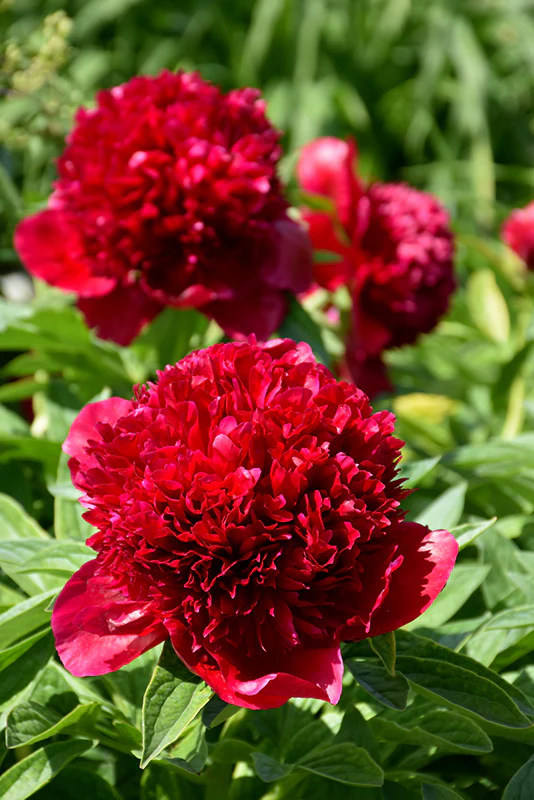
Red Charm Peony
Paeonia Officinalis
Medicinal Facts
Paeonia officinalis, commonly known as Red Charm Peony, is renowned for its rich array of bioactive compounds, particularly paeoniflorin and albiflorin. It stands at the intersection of traditional Chinese medicine, where it is used for its calming and blood-invigorating properties, and contemporary pharmacological research focused on its anti-inflammatory and neuroprotective effects. The plant's therapeutic potential is underpinned by its modulation of multiple signaling pathways, including NF-kB and GABA-A receptors, and its ability to enhance antioxidant defenses.
What it helps with
Inflammation & immune modulation
Paeoniflorin, a principal compound, inhibits the NF-kB pathway, reducing the expression of pro-inflammatory cytokines such as TNF-a and IL-6. It also modulates the JAK-STAT signaling pathway, contributing to its immunomodulatory effects. Evidence from animal studies supports its use in inflammatory conditions and autoimmune disorders.
Neuroprotection & cognitive support
Paeoniflorin enhances GABAergic activity by modulating GABA-A receptors, which may contribute to its anxiolytic and neuroprotective effects. It also exhibits antioxidant activity, reducing oxidative stress in neuronal tissues. Preliminary human studies suggest potential benefits in cognitive disorders and stress-related conditions.
Menstrual & reproductive health
Traditionally used in Chinese medicine for menstrual disorders, paeoniflorin and albiflorin may regulate hormonal balance by influencing estrogen receptor pathways and modulating prostaglandin synthesis. Animal studies indicate efficacy in alleviating dysmenorrhea and other menstrual irregularities.
Cardiovascular health
Paeoniflorin exerts vasodilatory effects by enhancing endothelial nitric oxide synthase (eNOS) activity, improving blood flow and reducing blood pressure. It also inhibits platelet aggregation, potentially reducing the risk of thrombotic events. These effects are primarily supported by preclinical studies.
Skin health & wound healing
Paeoniflorin promotes wound healing by enhancing collagen synthesis and modulating TGF-beta signaling. It also exhibits antimicrobial properties, which may help prevent infection in wounds. Traditional uses highlight its application in skin conditions, though clinical evidence is limited.
Liver protection
Paeonia officinalis has hepatoprotective properties, attributed to its ability to activate the Nrf2 pathway, enhancing the expression of detoxifying and antioxidant enzymes such as glutathione S-transferase. Animal studies suggest potential benefits in protecting against liver damage caused by toxins.
Anxiety & mood disorders
The anxiolytic effects of paeoniflorin are linked to its modulation of serotonergic and GABAergic systems, particularly through the enhancement of GABA-A receptor activity. This mechanism is supported by animal models and aligns with traditional uses for calming and mood stabilization.
Key active compounds
Paeoniflorin
A monoterpene glycoside that modulates NF-kB and GABA-A receptors, contributing to its anti-inflammatory and anxiolytic effects. It also enhances antioxidant defenses, though its bioavailability is moderate.
Albiflorin
Another key monoterpene glycoside with similar anti-inflammatory and neuroprotective properties. It may work synergistically with paeoniflorin to enhance overall efficacy.
Oxypaeoniflorin
A derivative of paeoniflorin with enhanced antioxidant activity, contributing to the plant's neuroprotective and hepatoprotective effects.
Paeonol
A phenolic compound with anti-inflammatory and analgesic properties, which inhibits cyclooxygenase enzymes and modulates inflammatory pathways.
Benzoic acid
A simple aromatic carboxylic acid with antimicrobial properties, contributing to the plant's use in skin health and wound healing.
Tannins
Polyphenolic compounds that provide astringent properties, supporting skin health and potentially enhancing wound healing through protein precipitation.
Gallic acid
A phenolic acid with strong antioxidant activity, contributing to the plant's overall protective effects against oxidative stress.
What the research says
Research on Paeonia officinalis highlights its multifaceted therapeutic potential. Paeoniflorin and albiflorin are the most studied compounds, with strong preclinical evidence supporting their anti-inflammatory and neuroprotective roles. Animal studies dominate the landscape, particularly in inflammation and neurological models. Human trials are emerging, especially in anxiety and cognitive support, but remain limited in scope. The primary limitation is the bioavailability of its active compounds; strategies such as formulation with absorption enhancers or using whole-plant extracts are common approaches to enhance efficacy.
Typical dosage
For tea or infusion, use 1-2 teaspoons of dried root per cup of boiling water, steep for 10-15 minutes, and consume up to three times daily. Tinctures can be taken at a dosage of 1-2 ml up to three times a day. Capsules typically contain 500 mg of dried root extract, with a recommended dosage of 1-2 capsules up to twice daily. Topical applications or poultices should be used as needed, but not on broken skin.
About Red Charm Peony
Traditional Use
Preparations & Dosage
Preparations
- Tea / Infusion: Use 1-2 teaspoons of dried Paeonia Officinalis root per cup of boiling water. Steep for 10-15 minutes, strain, and serve. Can be sweetened with honey or lemon for taste.
- Tincture: Mix 1 part dried root with 5 parts alcohol (40-60% ABV). Let it steep for 4-6 weeks, shaking occasionally. Strain and store in a dark bottle.
- Capsule: Use standardized extracts in capsule form, typically 500 mg per capsule. Follow manufacturer's instructions for dosage.
- Poultice: Crush fresh or dried roots and mix with a small amount of water to form a paste. Apply directly to the affected area and cover with a cloth.
- Topical application: Infuse oil with dried roots by heating gently for 2-3 hours. Strain and apply the oil to the skin as needed.
Interactions & Warnings
Use with caution
Paeonia Officinalis should be used with caution, especially in individuals who are pregnant or breastfeeding, as its safety in these populations is not well established. It may interact with anticoagulant medications, increasing the risk of bleeding. Always consult a healthcare provider before use.
Herb Interactions
Both herbs may have blood-thinning effects, increasing the risk of bleeding when taken together.
May enhance sedative effects when combined, leading to increased drowsiness.
Community Plants
Real plants of this species grown and shared by the MyFloralVault community.

More in Pain & Inflammation




Was this helpful?
0 · 0