Cramp Bark
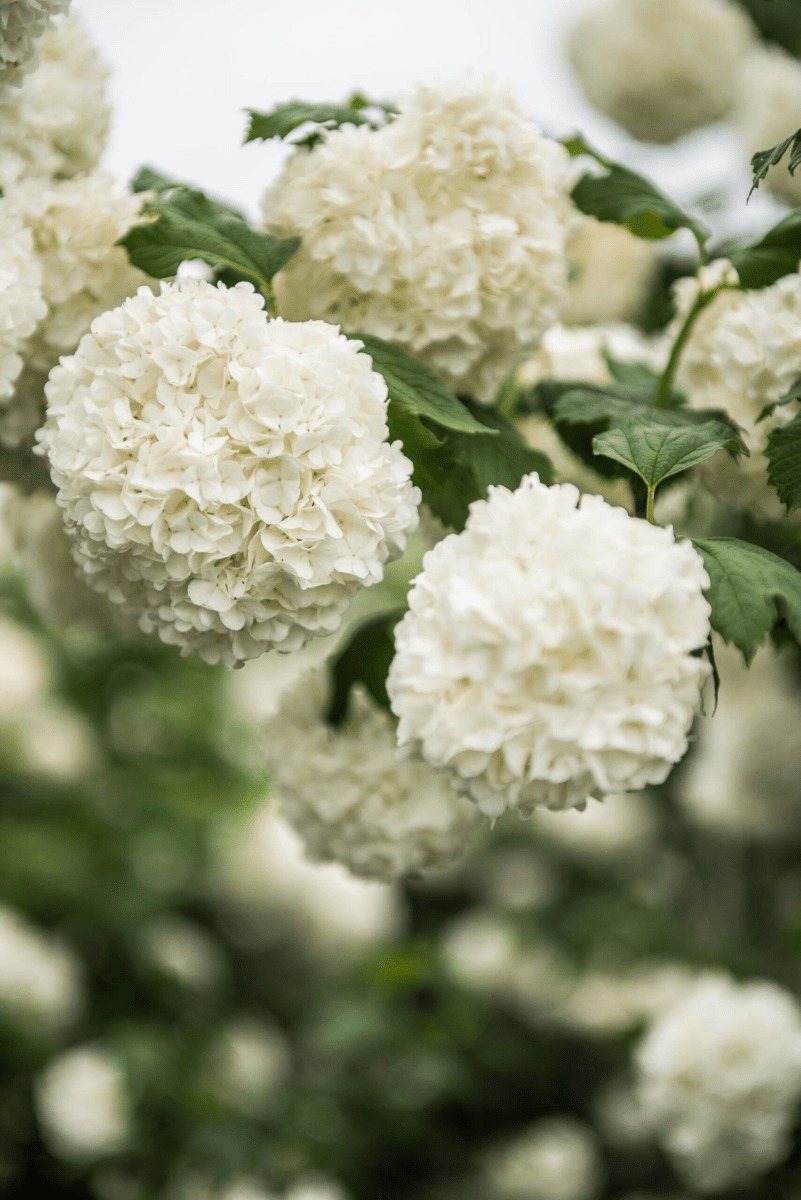
Description by @jominime
Absolutely STUNNING flowers. If you're into hydrangeas, and especially Annabelle hydrangeas, you will love this gorgeous shrub! It's naturally made for the female gaze, as well as her body! Here are all the health benefits this beautiful shrub comes with:
used to relieve cramps in skeletal and smooth muscles, including hiccups, backaches, and uterine spasms.
reduces swollen glands, treat fluid retention, and keep kidney function healthy.
decreases heart rate, blood pressure, and muscle spasms.
The bark also contains methyl salicylate, similar to aspirin but far less harmful and irritating.
helps slow heavy menstrual bleeding, especially bleeding associated with menopause.
good for women who have given birth.
helps reduce muscle tension without inhibiting muscle function. It also relieves after-birth cramps and regulates heavy bleeding, preventing excessive blood loss.
not to use if you are on blood thinners or are sensitive to aspirin.
berries are high in vitamin C.
a primary use for easing painful periods, endometriosis, and PMS.
can help prevent miscarriage.
antispasmodic compounds in cramp bark act efficiently on all types of muscle spasms, including bronchial, gastrointestinal, genitourinary, and skeletal muscle spasms. Taking cramp bark in conjunction with magnesium can relieve cramps caused by a wide variety of health conditions.
cramp bark fruit is rich in citrate, a compound often recommended by doctors for people who are at risk of kidney stones.
Found in Apothecary
Pain & Inflammation · muscle relaxation, menstrual cramp relief
View medicinal usesRelated Plants
Plant information is for educational purposes only.