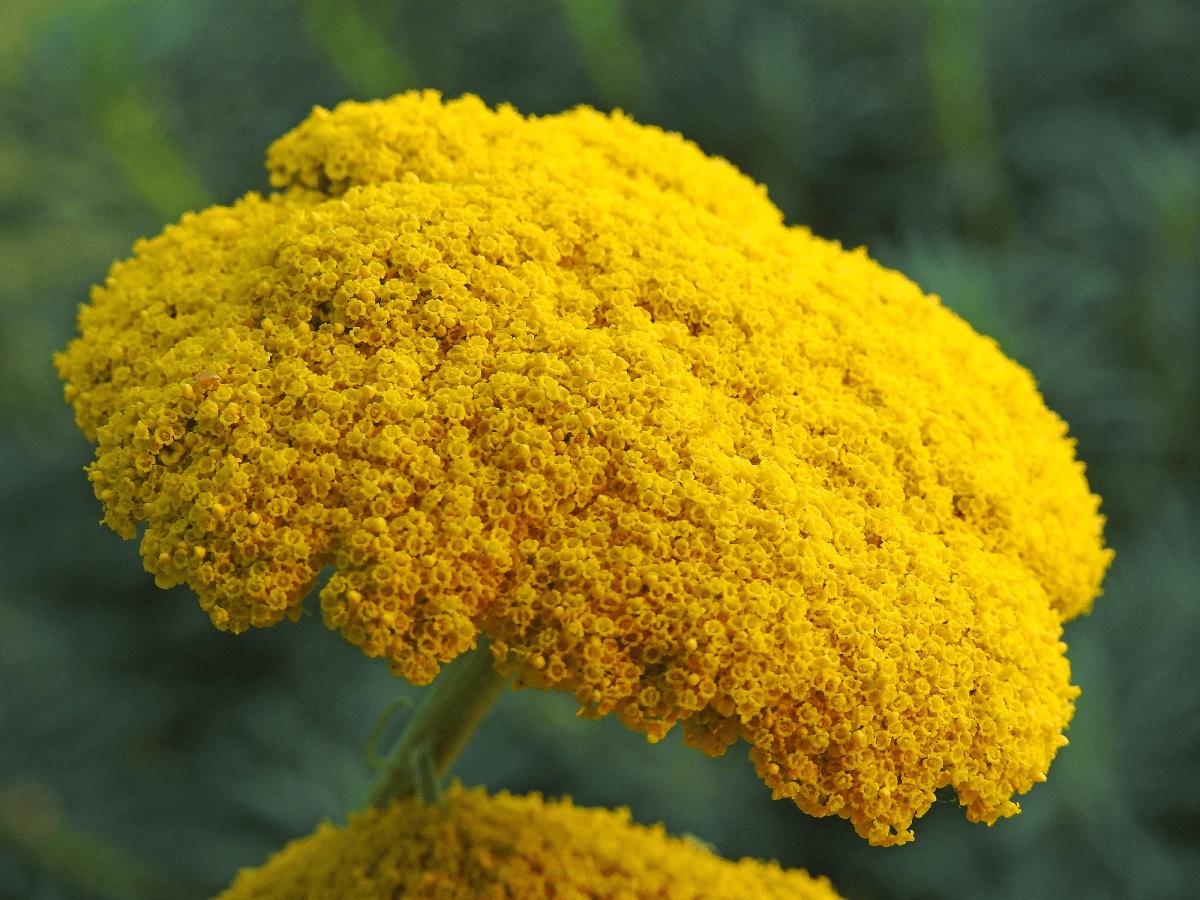
Description by @jominime
the centaur Chiron taught Achilles to use yarrow on his soldiers' wounds at Troy. Chiron also taught Asclepius medicine. Asclepius was said to resurrect people from the dead.
fossilized yarrow pollen has been found in 60,000-year-old neanderthal burial caves in iraq.
used for nosebleeds (crushed leaves stuffed into nostrils), fevers, toothache (chewed leaves), earache (infusions), headache (inhaled steam), menstrual irregularities, dysentery, hemorrhoids, varicose veins, digestive complaints, wound healing, hypertension, divination tool for I Ching.
crush fresh leaves and apply directly to a cut.
stops bleeding by constricting blood vessels, the tannins clump proteins together to seal wounds, and the antimicrobials kill bacteria.
classic herbal fever tea (yarrow + elderflower + peppermint in equal parts). taken hot at the onset of a fever, it makes you sweat, which is how your body breaks a fever.
yarrow opens up your peripheral circulation, elderflower amplifies the sweat reflex, peppermint cools and clears stuffy congestion.
yarrow helps with both heavy AND irregular periods. for heavy periods, it helps slow excessive menstrual flow. for delayed or skipped periods, it acts as an emmenagogue (period-bringer) by stimulating circulation to the uterus. it also reduces cramping in the uterus.
also if you plan on keeping a pregnancy, don't take yarrow. it will make you have contractions and you might miscarry.
contains flavonoids that increase saliva and stomach acid to help improve digestion.
drink yarrow tea 15-20 minutes before eating to prep your digestion. you won't have food sitting in your stomach too long afterwards.
good for arthritis, joint pain, inflammatory skin conditions, and general chronic inflammation. apply yarrow-infused oil topically to inflamed joints, or drink the tea.
used to lower blood pressure. it's a mild diuretic (reduces fluid retention), tones varicose veins, useful for cerebral and coronary thromboses and improves overall circulation. not a replacement for hypertension medication, but useful as supportive care.
toothache relief, chew the leaves.
Anti-inflammatory, anti-septic, diuretic, diaphoretic, astringent, antispasmodic, expectorant, vulnerary.
in the Hebrides of Scotland, a leaf pressed against the eyes was said to give second sight.
european folk magic held that sleeping with a yarrow sachet under your pillow would bring dreams of your future spouse.
Related Plants
Plant information is for educational purposes only.