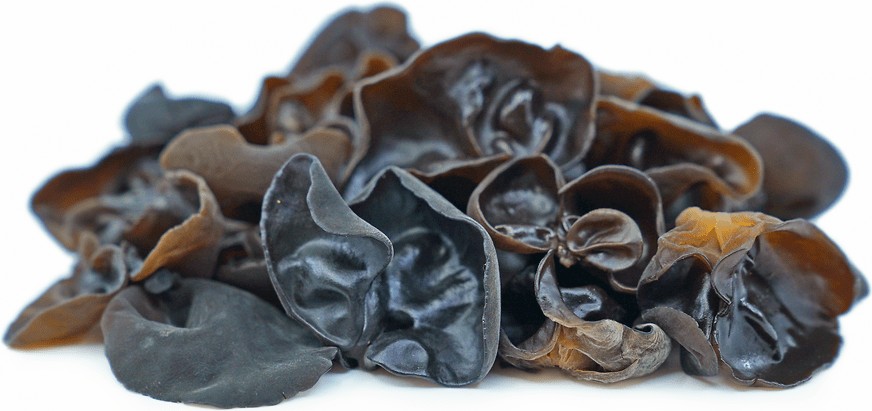
Wood Ear
Auricularia Angiospermarum
Medicinal Facts
Auricularia angiospermarum, commonly known as Wood Ear, is renowned for its polysaccharides, particularly beta-glucans, which are pivotal in its immunomodulatory and antioxidant activities. This fungus stands at the intersection of traditional Chinese medicine, where it is used for its health-promoting properties, and modern mycological research focusing on its potential in immune support and cardiovascular health. The primary compounds of interest are its polysaccharides, which have been shown to modulate immune responses and exhibit antioxidant properties. Despite its historical use, contemporary studies are exploring its mechanisms in greater detail, particularly its impact on immune pathways and cholesterol metabolism.
What it helps with
Immune modulation
Beta-glucans from Auricularia angiospermarum are known to bind to dectin-1 receptors on macrophages and dendritic cells, enhancing the production of cytokines like IL-6 and TNF-alpha. This interaction promotes a heightened state of immune readiness, which is evidenced in both in vitro and animal studies. The traditional use of this fungus in supporting immune health is supported by these findings.
Antioxidant support
The polysaccharides in Wood Ear exhibit significant antioxidant activity by upregulating the Nrf2 pathway, which in turn increases the expression of endogenous antioxidant enzymes such as superoxide dismutase (SOD) and catalase. This mechanism has been observed in preclinical studies, highlighting its potential in reducing oxidative stress.
Cardiovascular health
Research suggests that the polysaccharides in Auricularia angiospermarum may lower cholesterol levels by inhibiting HMG-CoA reductase, a key enzyme in cholesterol biosynthesis. Animal studies have shown reductions in total cholesterol and LDL levels, suggesting a cardioprotective role.
Blood sugar regulation
Beta-glucans from Wood Ear have been observed to slow carbohydrate absorption and improve insulin sensitivity by modulating the AMPK pathway. This could potentially aid in the management of type 2 diabetes, as suggested by animal studies.
Gut health
The prebiotic effects of Auricularia polysaccharides promote the growth of beneficial gut bacteria, such as Bifidobacteria and Lactobacilli, which can enhance gut barrier function and modulate immune responses. This has been demonstrated in both in vitro and animal models.
Anti-inflammatory effects
Auricularia angiospermarum polysaccharides inhibit the NF-kB pathway, resulting in decreased production of pro-inflammatory cytokines like IL-1beta and TNF-alpha. This anti-inflammatory action has been observed in animal studies, supporting its traditional use in inflammatory conditions.
Neuroprotection
Preclinical studies suggest that the antioxidant properties of Wood Ear polysaccharides may confer neuroprotective effects by reducing oxidative damage in neuronal cells. This is mediated through the activation of the Nrf2 pathway and the subsequent upregulation of antioxidant defenses.
Key active compounds
Beta-glucans
These polysaccharides are the primary active compounds in Wood Ear, known for their ability to modulate immune responses by interacting with dectin-1 receptors and enhancing cytokine production. They also exhibit prebiotic effects, supporting gut microbiota health.
Polysaccharides
Beyond beta-glucans, other polysaccharides in Auricularia contribute to its antioxidant and immune-modulating properties. They activate the Nrf2 pathway and enhance the body's antioxidant defenses.
Phenolic compounds
These compounds contribute to the antioxidant capacity of Wood Ear by scavenging free radicals and reducing oxidative stress, complementing the effects of polysaccharides.
Ergosterol
A sterol present in fungi, ergosterol is a precursor to vitamin D2 and exhibits antioxidant properties. It may also contribute to the overall health benefits of Wood Ear.
Amino acids
Wood Ear contains essential amino acids that support various metabolic processes and contribute to its nutritional value.
Minerals
Rich in minerals such as potassium, calcium, and iron, Wood Ear supports overall health and contributes to its traditional use as a nutritional supplement.
What the research says
Research on Auricularia angiospermarum is largely focused on its immunomodulatory and antioxidant properties. Beta-glucans are the most studied compounds, with evidence from both in vitro and animal studies supporting their role in immune enhancement and cholesterol management. Human trials are limited but suggest potential benefits in cardiovascular and metabolic health. The main limitation in research is the variability in polysaccharide content and bioavailability, which can be addressed through standardized extraction methods and formulation strategies to enhance absorption. Future studies are needed to confirm these effects in larger human populations and to explore the full range of its therapeutic potential.
Typical dosage
For dried Wood Ear, soak in water until rehydrated before use in cooking. As a powder, a typical dosage is 1-2 grams per day, mixed into food or beverages. Capsules are usually taken at a dose of 500 mg to 1 gram per day. Tinctures can be used at a dose of 1-2 ml, up to three times daily. Always start with a lower dose to assess tolerance.
About Wood Ear
Traditional Use
Preparations & Dosage
Preparations
- Dried: Soak dried Wood Ear in warm water for 20-30 minutes until fully rehydrated. Rinse thoroughly before adding to soups or stir-fries.
- Powder: Add 1-2 grams of Wood Ear powder to smoothies, soups, or teas. Stir well to ensure even distribution.
- Capsule: Take 1-2 capsules daily with water, preferably with a meal to enhance absorption.
- Tincture: Use 1-2 ml of tincture in water or juice, up to three times daily. Shake well before use.
- Soup: Add rehydrated Wood Ear to broth-based soups. Simmer for 10-15 minutes to infuse flavors.
Interactions & Warnings
Use with caution
Individuals with allergies to mushrooms should avoid Auricularia Angiospermarum. Those on anticoagulant medications should exercise caution due to potential blood-thinning effects. Always consult a healthcare provider before starting any new supplement, especially if pregnant or nursing.
Herb Interactions
Both have blood-thinning properties, which may increase the risk of bleeding when combined.
Community Plants
Real plants of this species grown and shared by the MyFloralVault community.

More in Immune Support





Was this helpful?
0 · 0
Care Guide Available
Learn how to grow and care for Wood Ear at home