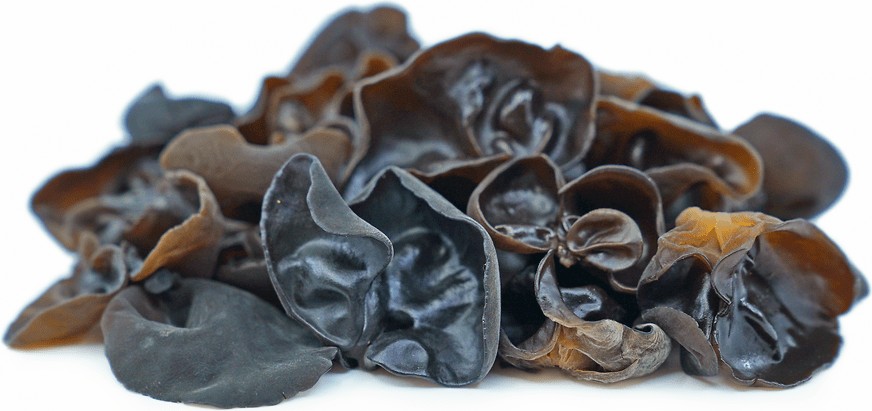
Description by @jominime
i find this mushroom to have a weird and chewy but jelly texture. it's awful to chew. here are some health benefits.
getting rid of blood clots, wood ear thins your blood.
performs the same way heparin does, by activating antithrombin (anti-clotting protein).
it stops platelets from sticking together (like aspirin).
good for people at risk of stroke, heart attack, or deep vein thrombosis.
major caution though: don't combine with prescription blood thinners (warfarin, heparin, eliquis, etc.) because the effects stack. choose one or the other.
a single gram of this dried mushroom contains 154 mcg of adenosine, which inhibits blood clotting.
found to lower triglycerides, total cholesterol and LDL cholesterol.
the fiber grabs bile acids in your gut (forcing your liver to burn cholesterol to replace them), and the polysaccharides directly tell your liver to process fats more efficiently.
improves heart muscle too. in a study, it improved the heart's pumping strength and the heart muscle's own internal antioxidant defenses.
Auricularia auricula polysaccharides have demonstrated pharmacological effects on heart antioxidant enzyme activities and left ventricle ejection fraction in aged models — meaning the cardiac muscle's own antioxidant defenses are strengthened and the heart's pumping efficiency improves with age.
antiviral - blocks viruses from attaching to your cells. they coat the viral surface proteins so the virus can't dock with the cell it's trying to infect.
confirmed against Newcastle disease virus in lab studies.
this is the same mechanism carrageenan and heparin uses to be antiviral.
wood ear activates your immune system's natural killer cells and macrophages to hunt down cancer cells, rather than directly poisoning them like chemo does. researched for stomach, colon, and intestinal cancers. used in clinical settings in China alongside standard cancer treatment because it doesn't interfere with chemo, just adds an immune boost.
wood ear's soluble fiber slows down how fast sugar hits your bloodstream after a meal, slowing blood sugar spikes that drive insulin resistance and diabetes. the polysaccharides also protect pancreatic cells that make insulin, from being destroyed by oxidative stress.
antimicrobial activity against E. coli and S. aureus (two of the most common pathogenic bacteria in food poisoning and skin infections).
protects your liver from damage caused by toxic carcinogens like the ones in cigarette smoke and charred food. it also prevents DNA mutations in cells exposed to those carcinogens.
raw or undercooked wood ear can carry contamination risks (rare cases of bacterial contamination from improperly stored dried wood ear have caused serious illness), so always thoroughly rehydrate and cook before consumption.
contains amino acids, fiber, copper, pantothenic acid, selenium, riboflavin, thiamin, magnesium, zinc, folate, manganese, beta glucans, proteoglycans, polysaccharides and heteropolysaccharides.
rich in B complex vitamins and many other bio-active compounds such as polysaccharides that improve heart function.
Its antioxidant activity has been found to be beneficial in preventing the development of degenerative disorders such as Alzheimer’s and dementia.
a study found that boiling the mushrooms can further enhance their antioxidant activity.
The second part of its scientific name (Auricularia auricula-judae), is based on the myth that Judas Iscariot hung himself from an old tree that had a Wood Ear Mushroom growing on it. Another theory is that the name "Judas's Ear/Jew's ear" comes from the legend that Auricularia formed its ear-shaped fruiting body as a curse on the tree that Judas hung himself from, after his betrayal of Jesus.
Related Plants
Plant information is for educational purposes only.