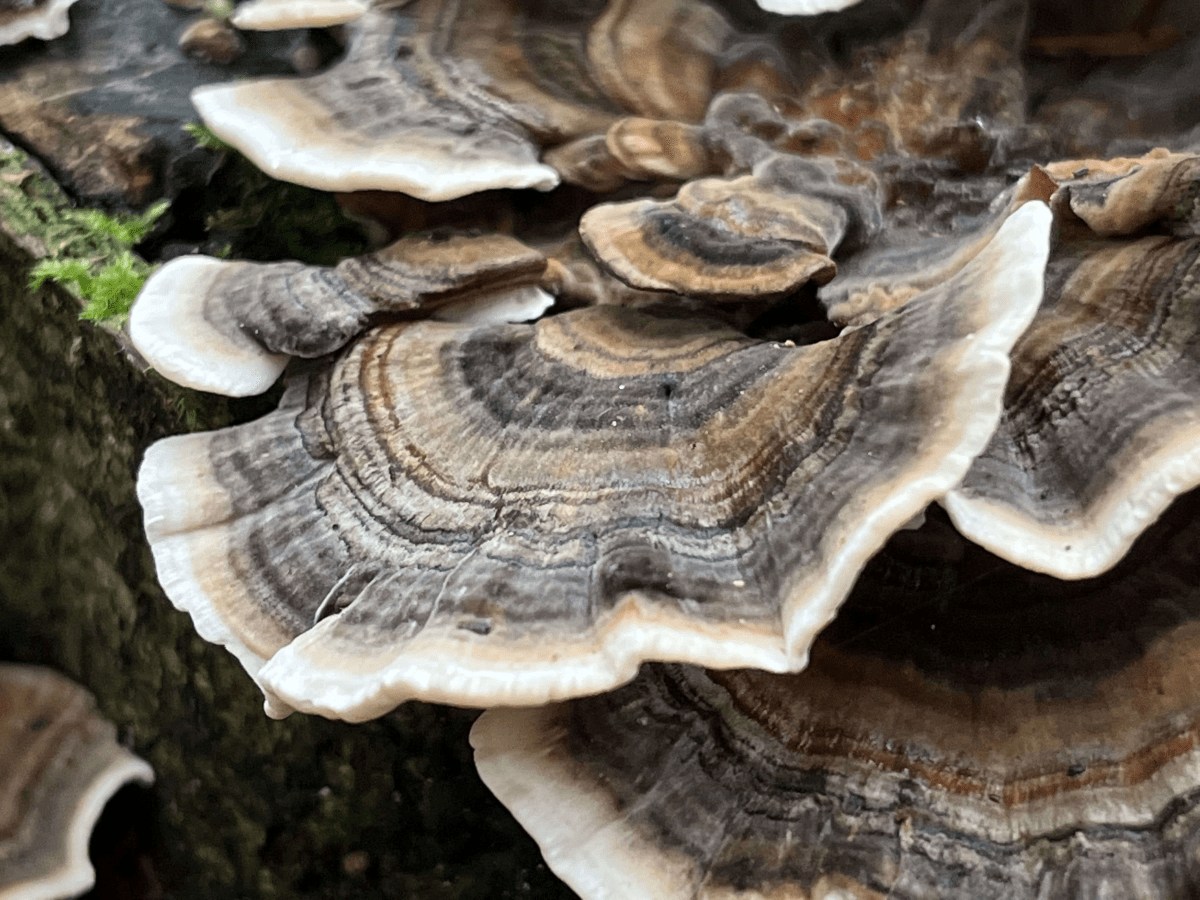
Turkey Tail Mushroom
Trametes Versicolor
Medicinal Facts
Trametes versicolor, commonly known as Turkey Tail Mushroom, is renowned for its polysaccharopeptides, including PSK (Krestin) and PSP, which are pivotal in immunomodulation. It stands at the intersection of traditional Chinese medicine, where it has been used for centuries to invigorate health and longevity, and modern oncology research, where its compounds are investigated for immune enhancement and potential adjuvant cancer therapy. Its role in gut microbiota modulation and immune system support is increasingly recognized in integrative medicine circles.
What it helps with
Immune system support
PSK and PSP are polysaccharopeptides that enhance immune function by activating macrophages, natural killer cells, and T-lymphocytes. They modulate cytokine production, including IL-2 and interferon-gamma, which are crucial for immune response. Human trials, particularly in Japan, have shown PSK's efficacy in improving survival rates in cancer patients by supporting immune function.
Cancer-adjunct therapy
PSK is extensively studied for its role in cancer treatment, particularly in gastric and colorectal cancers. It enhances the immune response through T-cell activation and modulates the expression of tumor necrosis factor-alpha (TNF-a). It is approved as an adjunct treatment in Japan, with evidence from human trials indicating improved survival and reduced recurrence rates.
Gut microbiota modulation
PSP has prebiotic properties that influence gut microbiota composition, promoting beneficial bacteria like Lactobacillus and Bifidobacterium. This modulation enhances gut barrier function and systemic immunity, as shown in animal models and small human studies. The mechanism involves the fermentation of polysaccharides into short-chain fatty acids, which have systemic anti-inflammatory effects.
Chronic fatigue syndrome
PSP may alleviate symptoms of chronic fatigue syndrome by modulating the immune system and reducing systemic inflammation. It influences the NF-kB pathway, reducing pro-inflammatory cytokines such as IL-6 and TNF-a, as evidenced in preliminary human studies.
Respiratory infections
Traditionally used for respiratory health, Turkey Tail contains compounds that enhance mucosal immunity and respiratory pathogen resistance. PSP and PSK stimulate immunoglobulin A (IgA) production in mucosal tissues, which is critical for defending against respiratory pathogens, supported by in vitro and animal studies.
Antioxidant support
Turkey Tail contains phenolic compounds and flavonoids that exert antioxidant effects by scavenging free radicals and enhancing the activity of antioxidant enzymes like superoxide dismutase (SOD) and glutathione peroxidase. This activity is primarily demonstrated in vitro and animal models.
Liver health
PSP supports liver function by modulating oxidative stress and inflammation. It enhances the Nrf2 pathway, which upregulates the expression of detoxifying and antioxidant enzymes, providing hepatoprotective effects, as shown in preclinical studies.
Key active compounds
Polysaccharopeptide Krestin (PSK)
A protein-bound polysaccharide that acts as an immunomodulator. It binds to pattern recognition receptors on immune cells, enhancing their activity and cytokine production. PSK is well-studied in Japan for its use in cancer therapy.
Polysaccharopeptide (PSP)
Similar to PSK, PSP is a polysaccharide-protein complex with immune-enhancing properties. It modulates gut microbiota and has prebiotic effects, influencing systemic immunity through gut health.
Phenolic compounds
These compounds contribute to antioxidant activity by neutralizing free radicals and enhancing endogenous antioxidant enzyme activity. They are crucial for reducing oxidative stress.
Flavonoids
Act as antioxidants and modulate inflammatory pathways. They enhance the activity of enzymes like superoxide dismutase and glutathione peroxidase, contributing to the mushroom's antioxidant capacity.
Beta-glucans
These polysaccharides are known for their immune-modulating effects. They activate macrophages and other immune cells through binding to dectin-1 and complement receptor 3, enhancing immune response.
Ergosterol
A precursor to vitamin D2, ergosterol has antioxidant properties and may contribute to the overall health benefits of Turkey Tail by supporting cellular health and immune function.
What the research says
Research on Trametes versicolor is robust, particularly concerning its immunomodulatory effects. PSK and PSP are the most studied compounds, with PSK having substantial human clinical evidence supporting its use as an adjunct in cancer therapy, particularly in Japan. PSP is primarily studied for its effects on gut health and immune modulation, with evidence from animal models and small human trials. The main limitation of Turkey Tail's therapeutic use is the variability in compound concentration across different preparations, which is addressed by standardizing extracts to specific polysaccharide content.
Typical dosage
For tea or infusion, use 1-2 teaspoons of dried Turkey Tail Mushroom per cup of water, simmer for 30-60 minutes, and drink up to three times daily. For tinctures, a typical dosage is 1-2 ml taken 2-3 times daily. Capsules or powders are often standardized to contain specific amounts of polysaccharides, with common dosages ranging from 1-3 grams per day. Always follow the manufacturer's instructions for standardized extracts.
About Turkey Tail Mushroom
Traditional Use
Preparations & Dosage
Preparations
- Tea / Infusion: Simmer 1-2 teaspoons of dried Turkey Tail Mushroom in a cup of water for 30-60 minutes. Strain and drink the infusion. Add honey or lemon for flavor if desired.
- Tincture: Use a dropper to take 1-2 ml of Turkey Tail tincture under the tongue or in a small amount of water, 2-3 times daily.
- Capsule: Take 1-3 capsules daily with water, preferably with meals. Follow the dosage instructions on the product label.
- Powder: Mix 1-3 grams of Turkey Tail powder into smoothies, soups, or teas. Start with a lower dose and gradually increase as tolerated.
- Extract: Follow the manufacturer's instructions for dosage, typically 500-1000 mg of extract taken 1-2 times daily.
Interactions & Warnings
Use with caution
Turkey Tail Mushroom is generally considered safe for most people when used appropriately. However, individuals with mushroom allergies or those on immunosuppressive therapy should consult a healthcare provider before use.
Herb Interactions
May enhance immune-stimulating effects, potentially leading to overstimulation in sensitive individuals.
Community Plants
Real plants of this species grown and shared by the MyFloralVault community.

More in Immune Support





Was this helpful?
0 · 0
Care guides for related plants
Care Guide Available
Learn how to grow and care for Turkey Tail Mushroom at home