Mānuka
Leptospermum Scoparium
Medicinal Facts
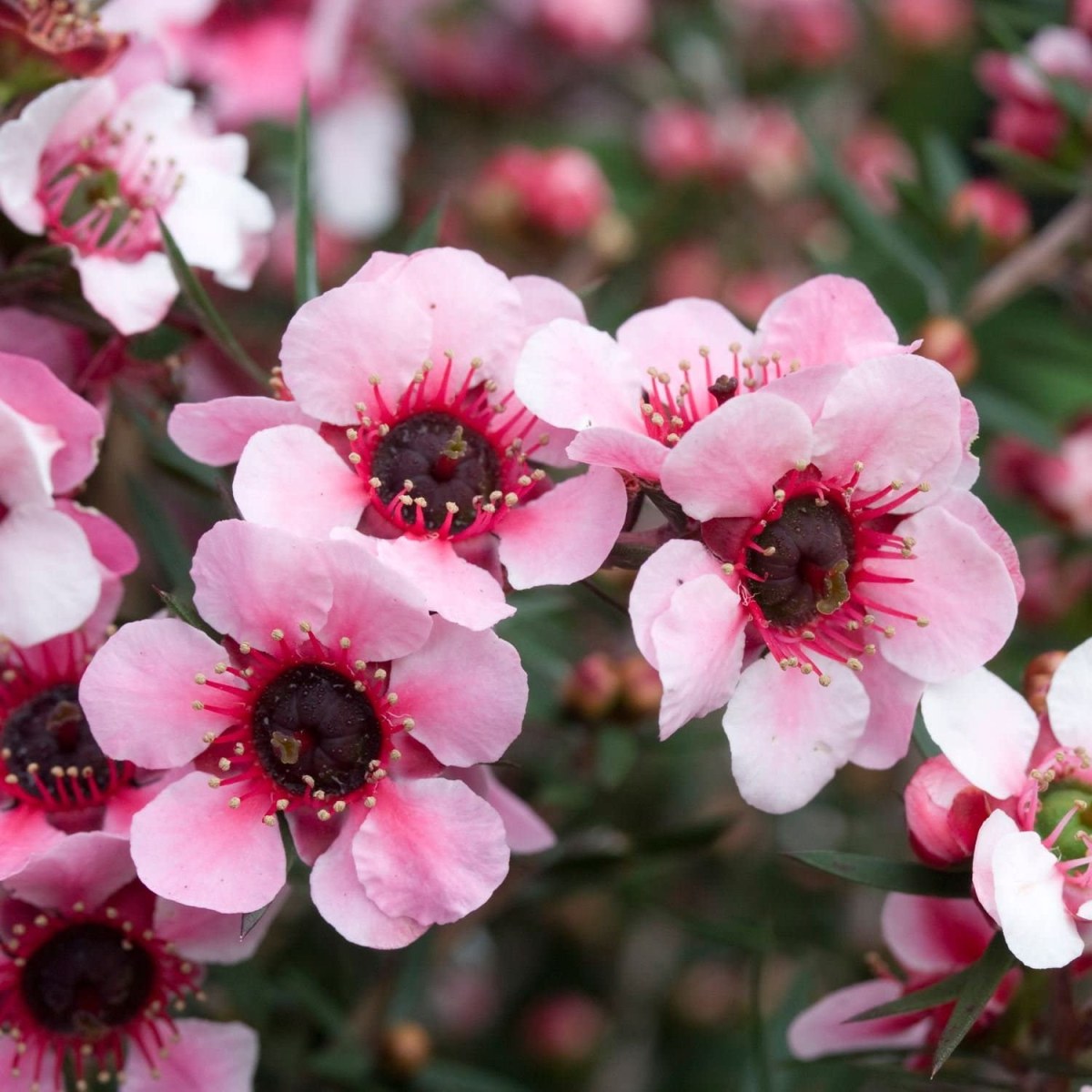
Leptospermum scoparium, commonly known as Mānuka, is renowned for its essential oil and honey, both rich in unique phytochemicals like methylglyoxal and leptospermone. It sits at the intersection of traditional Māori medicine, where it is used for skin and respiratory ailments, and modern antimicrobial research, particularly against antibiotic-resistant bacteria. Mānuka honey's distinct bioactivity is largely attributed to methylglyoxal, while the essential oil contains potent terpenoids that contribute to its therapeutic profile.
What it helps with
Antimicrobial activity
Mānuka honey exhibits significant antimicrobial properties, primarily due to methylglyoxal, which disrupts bacterial cell walls and inhibits protein synthesis. This is supported by in vitro studies showing efficacy against Staphylococcus aureus and Helicobacter pylori. The essential oil's terpenoids, like leptospermone, further enhance its antibacterial spectrum, making it valuable in combating antibiotic-resistant strains.
Wound healing
Mānuka honey accelerates wound healing through its high osmolarity, which draws moisture and promotes autolytic debridement. Methylglyoxal also modulates inflammatory cytokines, reducing excessive inflammation. Clinical trials have demonstrated improved healing rates in chronic wounds and ulcers when Mānuka honey is applied.
Respiratory health
Traditionally used for respiratory conditions, Mānuka essential oil's terpenoids, such as alpha-pinene, exert bronchodilatory and anti-inflammatory effects by modulating leukotriene pathways. This supports its use in easing symptoms of asthma and bronchitis, though human clinical evidence is limited.
Digestive health
Mānuka honey may support digestive health by inhibiting Helicobacter pylori, a bacterium implicated in peptic ulcers. Methylglyoxal disrupts bacterial adherence to gastric mucosa, as shown in in vitro studies, suggesting a potential adjunct role in managing gastric infections.
Skin conditions
The essential oil of Mānuka, rich in triketones like leptospermone, exhibits anti-inflammatory and antimicrobial effects, making it beneficial for acne and dermatitis. It modulates NF-kB signaling, reducing inflammation and microbial colonization on the skin. Evidence is primarily from traditional use and preclinical studies.
Oral health
Mānuka honey's antimicrobial activity extends to oral pathogens, where methylglyoxal inhibits biofilm formation by Streptococcus mutans, a key contributor to dental caries. Preliminary studies suggest it may reduce plaque formation and gingivitis.
Immune modulation
Mānuka honey can modulate immune responses, potentially through its impact on pro-inflammatory cytokines like TNF-alpha and IL-1. This immunomodulatory effect is observed in vitro and could support its traditional use in enhancing overall immunity.
Key active compounds
Methylglyoxal
A reactive dicarbonyl compound responsible for the non-peroxide antimicrobial activity of Mānuka honey. It disrupts bacterial cell walls and inhibits protein synthesis, crucial for its use against resistant bacteria.
Leptospermone
A triketone found in Mānuka essential oil, known for its strong antimicrobial properties. It inhibits bacterial and fungal growth by disrupting cell membrane integrity.
Alpha-pinene
A monoterpene with bronchodilatory and anti-inflammatory properties. It modulates leukotriene pathways, which may help alleviate respiratory conditions.
Flavonoids
These polyphenolic compounds contribute to the antioxidant capacity of Mānuka honey, scavenging free radicals and supporting cellular integrity.
Hydrogen peroxide
Although not unique to Mānuka, this compound is present in honey and contributes to its broad-spectrum antimicrobial activity through oxidative stress induction in pathogens.
Dihydroxyacetone
A precursor to methylglyoxal in Mānuka honey, it undergoes conversion during honey maturation, influencing the honey's final antimicrobial potency.
What the research says
Research on Mānuka centers around its antimicrobial and wound healing properties. Methylglyoxal has the strongest evidence base, with numerous in vitro and clinical studies confirming its efficacy against resistant bacteria and in promoting wound healing. The essential oil's triketones, particularly leptospermone, show promising antimicrobial activity in preclinical studies, but human trials are sparse. A major limitation is the variability in methylglyoxal content among different Mānuka honey batches, which is addressed by standardized grading systems like UMF (Unique Mānuka Factor) to ensure consistent therapeutic quality.
Typical dosage
For Mānuka honey, a typical dosage is 1-2 teaspoons daily, either consumed directly or mixed with warm water or tea. For wound care, apply a thin layer of Mānuka honey directly to the affected area and cover with a sterile bandage, changing it daily. Mānuka essential oil should be diluted with a carrier oil (such as coconut or jojoba oil) at a ratio of 1:10 before applying to the skin. For infusions, steep 1-2 teaspoons of dried Mānuka leaves in hot water for 10 minutes, and consume up to three times daily.
About Mānuka
Traditional Use
Preparations & Dosage
Preparations
- Essential Oil: Dilute Mānuka essential oil with a carrier oil at a ratio of 1:10. Apply a small amount to the affected area of the skin, massaging gently. Avoid direct sunlight exposure after application.
- Honey: Consume 1-2 teaspoons of Mānuka honey directly or dissolve in warm water or tea. For wounds, apply a thin layer directly to the area and cover with a sterile bandage.
- Infusion: Steep 1-2 teaspoons of dried Mānuka leaves in hot water for 10 minutes. Strain and drink warm. Add honey for enhanced benefits.
- Tincture: Use a dropper to take 1-2 ml of Mānuka tincture under the tongue or mixed with water, up to three times daily.
- Topical Ointment: Apply a small amount of Mānuka ointment to the affected area, covering with a bandage if necessary. Reapply as needed.
Interactions & Warnings
Use with caution
Mānuka products, particularly honey, should be used with caution in individuals with allergies to bee products. Essential oil should be diluted before topical application to avoid skin irritation. Pregnant and breastfeeding women should consult a healthcare provider before use.
Herb Interactions
Combined use with eucalyptus oil may enhance antibacterial effects, but also increase the risk of skin irritation.
Community Plants
Real plants of this species grown and shared by the MyFloralVault community.

More in Immune Support





Was this helpful?
0 · 0
Care guides for related plants
Care Guide Available
Learn how to grow and care for Mānuka at home