Longan
Dimocarpus Longan
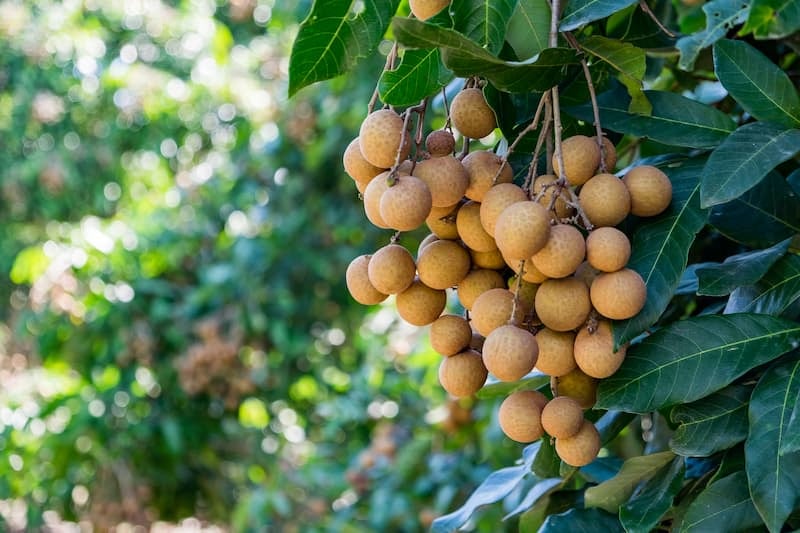
Medicinal Facts
Dimocarpus longan, commonly known as Longan or Dragon's Eye, is rich in polyphenols such as ellagic acid, corilagin, and gallic acid, which contribute to its antioxidant and neuroprotective properties. It stands at the intersection of traditional Chinese medicine, where it is used to enhance sleep and calm the spirit, and modern research focusing on its potential neuroprotective and anti-inflammatory effects. The fruit is traditionally consumed to support cognitive function and alleviate anxiety, while contemporary studies explore its impact on oxidative stress and neurodegenerative diseases. Its appeal is broadened by its sweet taste and nutritional content, making it a functional food with therapeutic potential.
What it helps with
Cognitive function & neuroprotection
Longan's polyphenols, particularly corilagin and gallic acid, modulate oxidative stress by activating the Nrf2 pathway, which enhances the expression of antioxidant enzymes like superoxide dismutase (SOD) and catalase. Animal studies suggest these effects may protect against neurodegeneration and improve memory, though human trials are limited.
Anxiety & mood regulation
Traditionally used for calming the spirit, longan may influence mood through its impact on the serotonergic system. Compounds such as ellagic acid can modulate serotonin receptors, potentially leading to anxiolytic effects. Evidence is primarily anecdotal and based on traditional use, with limited clinical trials.
Sleep enhancement
Longan is traditionally used to promote restful sleep, possibly due to its influence on GABAergic pathways. The fruit's compounds may enhance GABA-A receptor activity, promoting relaxation and sleep, although direct evidence from human studies is sparse.
Immune support
Gallic acid in longan exhibits immunomodulatory effects by inhibiting the NF-kB pathway, which reduces the production of pro-inflammatory cytokines such as TNF-a and IL-6. This action supports the immune system's balance, with evidence largely from in vitro and animal studies.
Anti-inflammatory effects
Longan's ellagic acid and corilagin inhibit the COX-2 enzyme and suppress NF-kB signaling, reducing inflammation. These effects are supported by animal studies and suggest potential benefits for inflammatory conditions, though clinical evidence is needed.
Antioxidant capacity
The high polyphenol content, including ellagic acid and corilagin, provides strong antioxidant activity by scavenging free radicals and enhancing endogenous antioxidant systems. This action is primarily supported by in vitro studies.
Cardiovascular health
Longan may support cardiovascular health by modulating lipid profiles and improving endothelial function. Gallic acid activates endothelial nitric oxide synthase (eNOS), promoting vasodilation and reducing blood pressure, as observed in animal models.
Key active compounds
Ellagic acid
A polyphenol with strong antioxidant properties; it scavenges free radicals and modulates the NF-kB pathway, contributing to anti-inflammatory and potential neuroprotective effects.
Corilagin
A tannin known for its anti-inflammatory and antioxidant effects; it inhibits COX-2 and NF-kB, reducing inflammation and oxidative stress.
Gallic acid
A phenolic acid that exhibits antioxidant and anti-inflammatory properties; it modulates eNOS activity, supporting cardiovascular health.
Polysaccharides
Bioactive carbohydrates that may enhance immune function by modulating cytokine production and macrophage activity.
Vitamin C
An essential nutrient with antioxidant properties that supports immune function and skin health, enhancing the overall antioxidant capacity of the fruit.
Iron
A mineral essential for hemoglobin production and oxygen transport; longan's iron content supports its traditional use in addressing fatigue and anemia.
Magnesium
A mineral involved in numerous enzymatic reactions, supporting muscle and nerve function, and contributing to the calming effects of longan.
What the research says
Research on longan is primarily preclinical, with a focus on its antioxidant and neuroprotective properties. Ellagic acid and corilagin are the most studied compounds, showing potential in modulating oxidative stress and inflammation in animal models. Human evidence is limited, with traditional use guiding much of its application in mood and sleep support. The main limitation is the lack of large-scale human trials, which restricts definitive conclusions about its efficacy. Efforts to enhance bioavailability and standardize extracts are ongoing to better harness its therapeutic potential.
Typical dosage
For tea or infusion, use 5-10 grams of dried longan fruit per cup of boiling water, steep for 10-15 minutes, and consume up to twice daily. In tincture form, take 1-2 ml up to three times daily. For capsules or powder, follow the manufacturer's instructions, typically 500-1000 mg per day. Adjust dosages based on individual tolerance and health goals.
About Longan
Traditional Use
Preparations & Dosage
Preparations
- Tea / Infusion: Boil 1 cup of water and pour over 5-10 grams of dried longan fruit. Let it steep for 10-15 minutes. Strain and serve warm. Honey can be added for taste.
- Tincture: Use a dropper to add 1-2 ml of longan tincture to a glass of water or juice. Stir well before consuming.
- Capsule: Take 1-2 capsules (500-1000 mg) with water, preferably with a meal to enhance absorption.
Interactions & Warnings
Use with caution
Longan is generally considered safe for most people when consumed in moderate amounts. However, individuals with allergies to fruits from the Sapindaceae family should exercise caution. Pregnant and breastfeeding women should consult a healthcare provider before using longan medicinally.
Herb Interactions
Combining longan with valerian may enhance sedative effects, potentially leading to increased drowsiness.
Community Plants
Real plants of this species grown and shared by the MyFloralVault community.

More in Immune Support





Was this helpful?
0 · 0
Care Guide Available
Learn how to grow and care for Longan at home