Greek Mountain Tea
Sideritis Scardica

Medicinal Facts
Sideritis scardica, commonly known as Greek Mountain Tea, is rich in phenolic compounds such as flavonoids and phenylethanoid glycosides, which confer its anti-inflammatory and antioxidant properties. This herb sits at the intersection of traditional Mediterranean herbal medicine, where it is used for respiratory and digestive health, and modern research exploring its neuroprotective and cardioprotective effects. Its unique combination of compounds makes it a subject of interest in studies on cognitive enhancement and mood regulation. The plant's traditional uses are being validated by emerging scientific evidence, particularly in the context of neurodegenerative diseases.
What it helps with
Neuroprotection & cognitive enhancement
Sideritis scardica contains flavonoids like apigenin and luteolin, which modulate GABA-A receptors and inhibit monoamine oxidase (MAO), potentially enhancing mood and cognitive function. Animal studies suggest it may increase brain-derived neurotrophic factor (BDNF) levels, supporting neuroplasticity and memory. Human trials are limited but promising in terms of cognitive support.
Respiratory health
Traditionally used for colds and respiratory issues, Sideritis scardica's anti-inflammatory effects are mediated through the inhibition of the NF-kB pathway and reduction of pro-inflammatory cytokines such as IL-6 and TNF-alpha. Its essential oils also exhibit antimicrobial properties, which may help in managing respiratory infections. Evidence is primarily from traditional use and in vitro studies.
Cardiovascular health
The phenylethanoid glycosides in Sideritis scardica, such as verbascoside, may enhance endothelial nitric oxide synthase (eNOS) activity, improving vasodilation and cardiovascular function. Animal studies indicate potential benefits in reducing blood pressure and improving lipid profiles, though human data are still emerging.
Anti-inflammatory & antioxidant support
Sideritis scardica's flavonoids and phenolic acids activate the Nrf2 pathway, boosting endogenous antioxidant defenses like glutathione and superoxide dismutase. This action helps mitigate oxidative stress and inflammation, with evidence from both in vitro and animal studies supporting these effects.
Digestive health
Traditionally used to soothe digestive issues, Sideritis scardica may exert its effects by modulating gut motility and reducing inflammation in the gastrointestinal tract. The exact mechanisms are not fully elucidated, but its phenolic compounds are thought to play a role in modulating gut microbiota and reducing intestinal inflammation.
Mood regulation
The flavonoids in Sideritis scardica, particularly apigenin, may exert anxiolytic effects through modulation of GABA-A receptors and inhibition of MAO. These actions could help in reducing anxiety and improving mood, with preliminary evidence from animal models supporting these effects.
Menopausal symptoms
Sideritis scardica may help alleviate menopausal symptoms through its phytoestrogenic activity, primarily attributed to its flavonoid content. These compounds may bind to estrogen receptors, modulating hormonal balance and reducing symptoms such as hot flashes and mood swings. Evidence is largely anecdotal and from traditional use.
Key active compounds
Apigenin
A flavonoid that modulates GABA-A receptors and inhibits monoamine oxidase, contributing to its anxiolytic and neuroprotective effects. It may also enhance BDNF levels, supporting cognitive health.
Luteolin
A flavonoid with anti-inflammatory and antioxidant properties, known to inhibit NF-kB and activate the Nrf2 pathway, reducing oxidative stress and inflammation.
Verbascoside
A phenylethanoid glycoside that enhances eNOS activity, potentially improving cardiovascular health through vasodilation and antioxidant effects.
Phenylethanoid glycosides
These compounds exhibit antioxidant and anti-inflammatory properties, modulating pathways such as NF-kB and Nrf2, and may contribute to cardiovascular and neuroprotective benefits.
Essential oils
Comprising various terpenes, these oils have antimicrobial properties and may support respiratory health by reducing microbial load and inflammation.
Rosmarinic acid
A phenolic compound with strong antioxidant activity, inhibiting lipid peroxidation and scavenging free radicals, contributing to its anti-inflammatory effects.
Chlorogenic acid
A phenolic acid that may modulate glucose metabolism and exhibit antioxidant properties, though its role in Sideritis scardica is less studied compared to other compounds.
What the research says
Research on Sideritis scardica is expanding, with a focus on its neuroprotective and cardioprotective properties. Flavonoids like apigenin and luteolin have shown promising results in preclinical models for cognitive enhancement and mood regulation, with limited but encouraging human trials. Cardiovascular benefits are primarily supported by animal studies, highlighting potential improvements in endothelial function and lipid profiles. The main limitation in current research is the lack of extensive human trials, particularly for its neuroprotective effects. Efforts to improve bioavailability, such as using extracts standardized for key compounds, are ongoing to enhance the clinical applicability of this traditional remedy.
Typical dosage
For tea or infusion, use 1-2 teaspoons of dried Sideritis scardica per cup of boiling water, steep for 5-10 minutes, and consume up to three times daily. For tinctures, a typical dosage is 1-2 ml taken up to three times per day. Capsules and extracts should be taken as per the manufacturer's instructions, usually ranging from 300-600 mg per day. Essential oils are for external use only and should be diluted before application.
About Greek Mountain Tea
Traditional Use
Preparations & Dosage
Preparations
- Tea / Infusion: Use 1-2 teaspoons of dried Sideritis scardica. Pour boiling water over the herb and let it steep for 5-10 minutes. Strain and serve hot. Add honey or lemon for taste if desired.
- Tincture: Combine dried Sideritis scardica with alcohol (such as vodka) in a jar, using a 1:5 herb-to-alcohol ratio. Seal and store in a cool, dark place for 4-6 weeks, shaking occasionally. Strain and store the liquid in a dark glass bottle.
- Capsule: Purchase pre-made capsules or fill empty capsules with powdered Sideritis scardica using a capsule machine. Store in a cool, dry place.
Interactions & Warnings
Use with caution
Sideritis scardica is generally considered safe for most people. However, those who are pregnant, nursing, or on medication should consult a healthcare provider before use. Allergic reactions are rare but possible.
Herb Interactions
Combined use may enhance sedative effects, leading to increased drowsiness.
May enhance cognitive effects, but caution is advised due to potential blood-thinning properties.
Community Plants
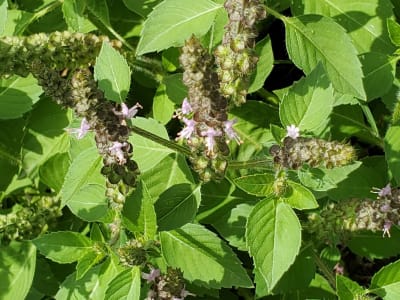
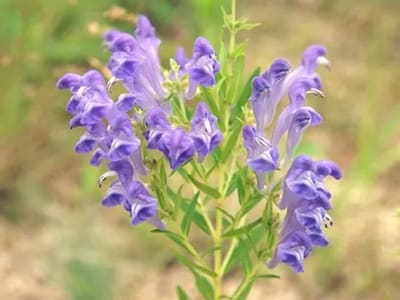
Real plants of this species grown and shared by the MyFloralVault community.

More in Immune Support





Was this helpful?
0 · 0