Goldenseal
Hydrastis canadensis
Medicinal Facts
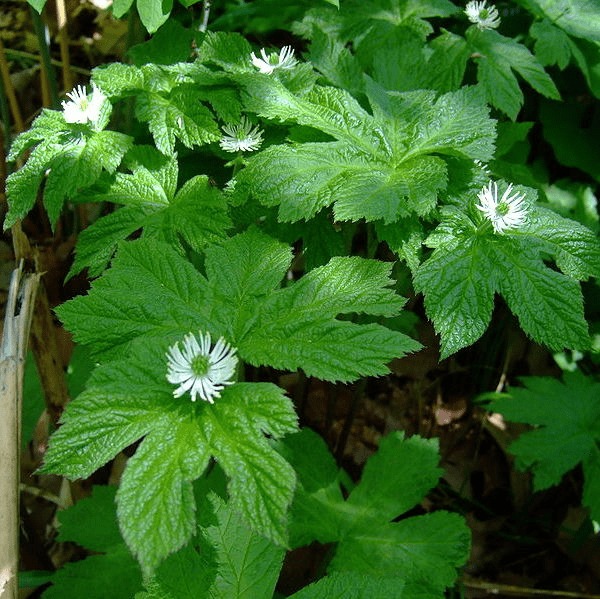
Goldenseal, or Hydrastis canadensis, is primarily known for its isoquinoline alkaloids, particularly berberine and hydrastine, which confer its antimicrobial and anti-inflammatory properties. This plant sits at the intersection of traditional Native American medicine, where it was used for infections and digestive issues, and modern pharmacology, which explores its role in modulating immune responses and gut health. Its complex alkaloid profile also positions it within the realm of research on metabolic regulation and microbial resistance. However, its use is often limited by concerns over sustainability and potential herb-drug interactions.
What it helps with
Digestive health & dysbiosis
Berberine exerts antimicrobial effects by disrupting bacterial cell walls and inhibiting DNA gyrase, which can help rebalance gut microbiota. It also activates AMPK, enhancing intestinal barrier function and reducing gut inflammation. Evidence includes both traditional use and in vitro studies, with emerging human trials examining its effects on conditions like small intestinal bacterial overgrowth (SIBO).
Immune modulation
Hydrastine and berberine modulate immune responses by inhibiting pro-inflammatory cytokines, such as IL-6 and TNF-a, through NF-kB pathway suppression. This action may support immune function in infections and inflammatory conditions, as evidenced by traditional uses and animal studies.
Metabolic regulation
Berberine activates AMPK, which enhances insulin sensitivity and reduces hepatic gluconeogenesis. This pathway is similar to metformin, and human studies suggest it may help lower blood glucose and lipid levels, though more research is needed to confirm these effects at clinically relevant doses.
Antimicrobial effects
Berberine and other alkaloids exert broad-spectrum antimicrobial activity by targeting bacterial cell walls and inhibiting protein synthesis. These effects are well-documented in vitro and support traditional uses for infections, though clinical trials are limited.
Respiratory health
Traditionally used for respiratory infections, goldenseal's alkaloids may reduce mucus membrane inflammation and support respiratory health by inhibiting inflammatory cytokines and modulating immune responses. Evidence is primarily anecdotal and based on historical use.
Skin conditions
Applied topically, berberine's antimicrobial and anti-inflammatory properties may aid in treating skin infections and conditions like eczema. It inhibits bacterial growth and reduces inflammatory cytokine production, though clinical evidence is limited.
Liver support
Berberine activates Nrf2, enhancing the expression of antioxidant enzymes and protecting hepatocytes from oxidative stress. This mechanism is supported by animal studies and traditional use for liver health, though human data are sparse.
Key active compounds
Berberine
An isoquinoline alkaloid that inhibits bacterial DNA gyrase and activates AMPK, influencing metabolic pathways and exhibiting antimicrobial effects. It has low oral bioavailability, often requiring high doses or formulations to enhance absorption.
Hydrastine
An alkaloid with vasoconstrictive properties and potential immune-modulating effects through inhibition of NF-kB, contributing to its anti-inflammatory action.
Canadine
Also known as tetrahydroberberine, this alkaloid has been shown to modulate dopamine receptors and may contribute to goldenseal's overall pharmacological effects.
Berbamine
An alkaloid with potential anti-inflammatory and immunomodulatory properties, contributing to the plant's broad spectrum of activity.
Palmatine
Similar to berberine, palmatine exhibits antimicrobial and anti-inflammatory effects, though it is less studied and understood.
Chelerythrine
An alkaloid with protein kinase C inhibitory activity, contributing to its potential anti-cancer and anti-inflammatory effects.
What the research says
Research on goldenseal primarily focuses on its antimicrobial and metabolic effects. Berberine is the most studied compound, with human trials exploring its role in metabolic syndrome and type 2 diabetes, showing promising results in glucose and lipid regulation. Preclinical studies highlight its antimicrobial efficacy against a range of pathogens, supporting traditional uses. However, the primary limitation remains its low bioavailability, which is being addressed through novel delivery systems such as nanoparticles and co-administration with bioenhancers like piperine. Sustainability concerns also limit widespread use, as overharvesting threatens wild populations.
Typical dosage
For tea or infusion, use 1 teaspoon of dried goldenseal root per cup of boiling water, steep for 10-15 minutes, and consume up to 3 times daily. Tinctures can be taken in doses of 0.5 to 1.0 ml up to three times a day. Capsules typically contain 400-500 mg, taken 1-2 times daily. For topical applications, a poultice can be made by mixing powdered root with water to form a paste, applied to the affected area. Eye washes should be used with caution and prepared under professional guidance.
About Goldenseal
Traditional Use
Preparations & Dosage
Preparations
- Tea / Infusion: Use 1 teaspoon of dried goldenseal root per cup of boiling water. Steep for 10-15 minutes, strain, and drink. Can be sweetened with honey if desired.
- Tincture: Use a dropper to measure 0.5 to 1.0 ml of tincture. Add to a small amount of water or juice and consume up to three times daily.
- Capsule: Take 400-500 mg capsules 1-2 times daily with meals. Follow the manufacturer's instructions for specific dosage.
- Poultice: Mix powdered goldenseal root with water to form a paste. Apply directly to the affected area and cover with a clean cloth.
- Eye wash: Prepare a diluted infusion of goldenseal root, strain thoroughly, and use as an eye rinse. Consult a healthcare professional for guidance.
Interactions & Warnings
Use with caution
Goldenseal should be used with caution, especially in pregnant or breastfeeding women, as it may stimulate uterine contractions. It can interact with certain medications and may cause gastrointestinal upset in high doses. Long-term use is not recommended due to potential toxicity.
Herb Interactions
Both herbs boost the immune system; combined use may overstimulate immune function.
Both herbs can affect liver enzymes, potentially altering the metabolism of medications.
Community Plants
Real plants of this species grown and shared by the MyFloralVault community.
More in Immune Support





Was this helpful?
0 · 0
Care guides for related plants
Care Guide Available
Learn how to grow and care for Goldenseal at home