Giloy
Tinospora Cordifolia
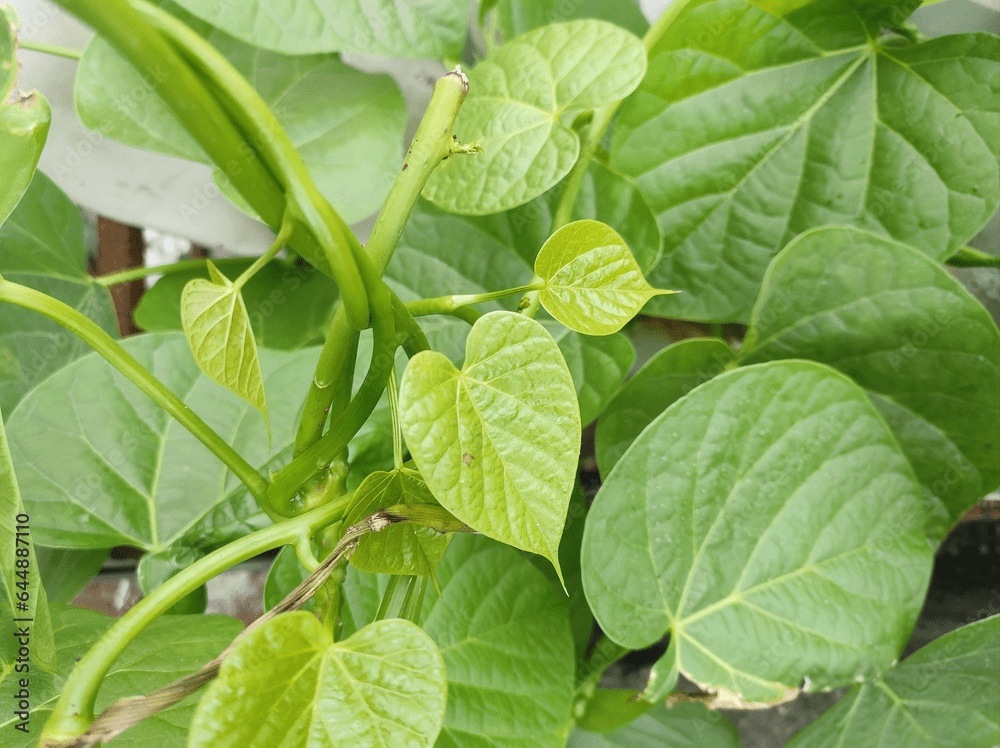
Medicinal Facts
Tinospora cordifolia, commonly known as Giloy, is renowned for its diverse therapeutic applications, primarily attributed to its active compounds such as tinosporoside, berberine, and magnoflorine. It sits at the intersection of traditional Ayurvedic practices, where it is revered as an adaptogen and immunomodulator, and modern pharmacological research exploring its role in inflammation and metabolic regulation. Its broad spectrum of activity includes modulation of immune responses and antioxidant pathways, making it a subject of interest in both chronic disease management and acute immune challenges.
What it helps with
Immune modulation
Tinosporoside and magnoflorine enhance immune function by upregulating cytokine production and activating macrophages. They modulate the NF-kB pathway, which is crucial for immune response regulation. Human studies have shown increased leukocyte count and improved immune parameters in patients.
Chronic inflammation
Berberine and tinosporoside inhibit pro-inflammatory cytokines like TNF-a and IL-6 through suppression of the NF-kB and MAPK pathways. Animal studies demonstrate significant reductions in inflammatory markers, supporting its use in conditions like rheumatoid arthritis.
Metabolic syndrome
Berberine activates AMPK, which enhances glucose uptake and reduces hepatic gluconeogenesis. This action is complemented by the modulation of lipid metabolism, as evidenced in animal models showing improved insulin sensitivity and lipid profiles.
Liver protection
Giloy's hepatoprotective effects are mediated by its ability to enhance antioxidant defenses via Nrf2 activation, leading to increased expression of detoxifying enzymes like glutathione S-transferase. Preclinical studies indicate protection against chemically induced liver damage.
Antioxidant support
The plant's polyphenolic compounds, including tinosporoside, scavenge free radicals and upregulate endogenous antioxidant enzymes through Nrf2 pathway activation. This action supports cellular resilience against oxidative stress, with evidence from both in vitro and animal studies.
Antimicrobial activity
Magnoflorine exhibits broad-spectrum antimicrobial effects by disrupting microbial cell walls and inhibiting biofilm formation. In vitro studies confirm activity against a range of bacterial and fungal pathogens, supporting traditional uses in infection management.
Neuroprotection
Giloy's neuroprotective potential is linked to its ability to inhibit acetylcholinesterase and modulate neuroinflammatory pathways, including NF-kB. Animal studies suggest benefits in models of neurodegenerative diseases, though human evidence remains limited.
Key active compounds
Tinosporoside
A diterpenoid glycoside that modulates immune responses by activating macrophages and enhancing cytokine production. It also exhibits antioxidant properties through Nrf2 pathway activation.
Berberine
An isoquinoline alkaloid that activates AMPK, influencing glucose and lipid metabolism. It also has anti-inflammatory effects via NF-kB inhibition.
Magnoflorine
An alkaloid with antimicrobial properties, it disrupts microbial cell walls and inhibits biofilm formation. It also contributes to immune modulation.
Palmatine
An alkaloid with anti-inflammatory and hepatoprotective effects, acting through inhibition of pro-inflammatory cytokines and enhancement of antioxidant defenses.
Choline
A quaternary ammonium compound that supports liver function and acts as a precursor for acetylcholine, contributing to neuroprotection.
Giloin
A polysaccharide that enhances immune function and exhibits antioxidant activity, supporting the plant's adaptogenic properties.
Cordifolioside A
A glycoside that contributes to the plant's anti-inflammatory and immunomodulatory effects by modulating cytokine production.
What the research says
Research on Tinospora cordifolia focuses on its immunomodulatory and anti-inflammatory properties. Human studies have demonstrated its ability to enhance immune parameters, while preclinical studies highlight its efficacy in reducing inflammatory markers through NF-kB and MAPK pathway modulation. The strongest human evidence supports its immune-boosting effects, particularly in enhancing leukocyte function. However, bioavailability remains a challenge, as many active compounds have limited absorption. This is being addressed through novel delivery systems and formulations designed to enhance systemic availability and efficacy.
Typical dosage
For a decoction, boil 1-2 teaspoons of dried Giloy stem in water for 15-20 minutes and consume 1-2 times daily. As a powder, take 1-3 grams mixed with water or honey, up to twice daily. Capsules typically contain 300-500 mg, taken 1-2 times per day. Tinctures can be taken in doses of 2-4 ml, up to three times daily. Always consult with a healthcare provider for personalized dosing.
About Giloy
Traditional Use
Preparations & Dosage
Preparations
- Decoction: Boil 1-2 teaspoons of dried Giloy stem in 2 cups of water for 15-20 minutes. Strain and consume warm. Optionally, add honey or lemon for taste.
- Powder: Mix 1-3 grams of Giloy powder with water or honey and consume directly. Can also be added to smoothies or juices.
- Capsule: Take 300-500 mg of Giloy capsule with water, 1-2 times daily, preferably before meals.
- Tincture: Take 2-4 ml of Giloy tincture in a small amount of water, up to three times daily.
- Juice: Extract juice from fresh Giloy stems using a juicer. Consume 15-30 ml daily, optionally mixed with water or other juices.
Interactions & Warnings
Use with caution
Giloy is generally considered safe when used appropriately, but it should be used with caution in individuals with autoimmune diseases, as it may stimulate the immune system. Pregnant and breastfeeding women should avoid it due to insufficient safety data. Long-term use should be monitored by a healthcare professional.
Herb Interactions
Both herbs stimulate the immune system, which may be beneficial or excessive in certain conditions.
May enhance adaptogenic effects, beneficial for stress reduction but should be monitored for overstimulation.
Community Plants
Real plants of this species grown and shared by the MyFloralVault community.

More in Immune Support





Was this helpful?
0 · 0
Care Guide Available
Learn how to grow and care for Giloy at home