Dendrobium Lindleyi
Dendrobium Lindleyi
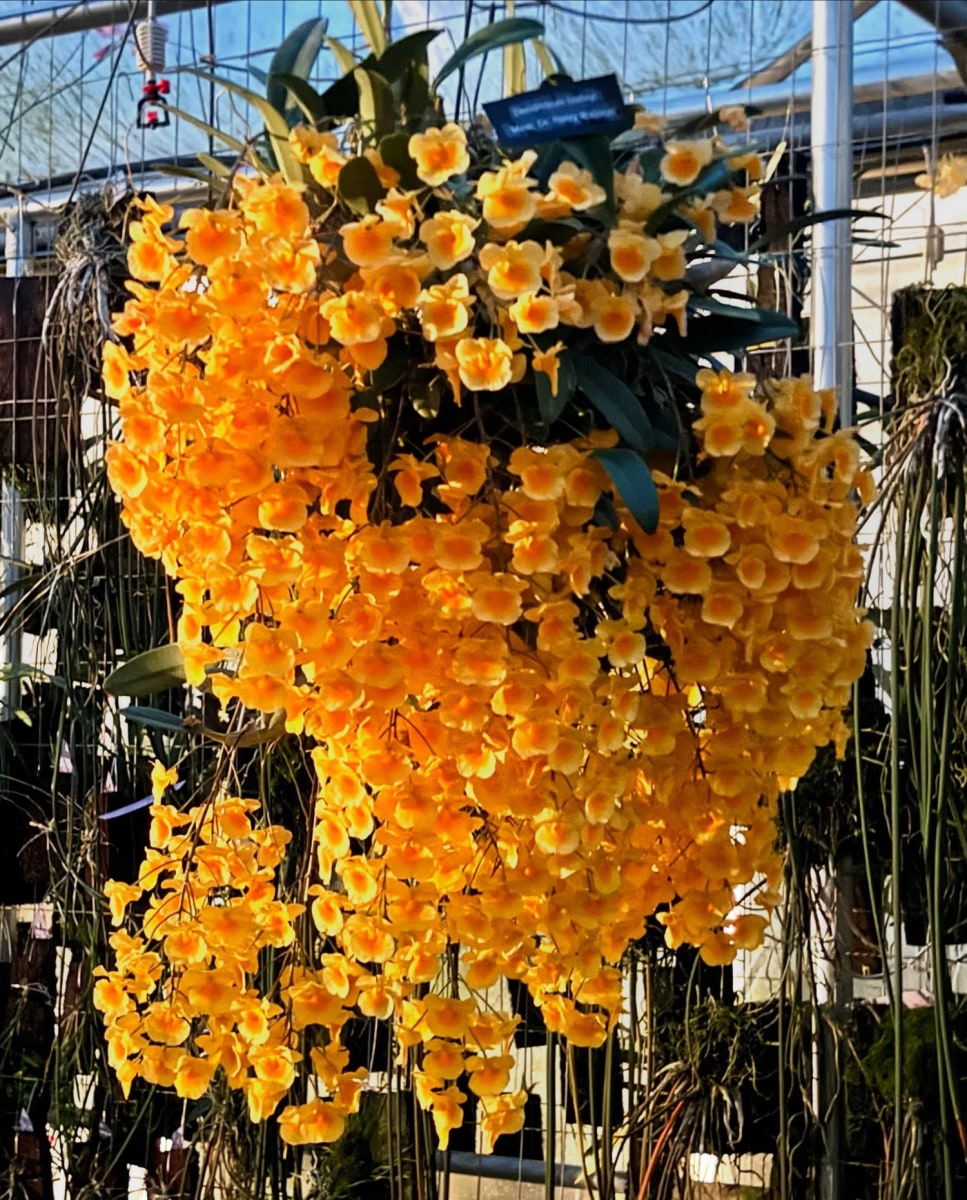
Medicinal Facts
Dendrobium Lindleyi, a revered member of the Orchidaceae family, is primarily celebrated for its alkaloids, notably dendrobine, which exhibit neuroprotective and anti-inflammatory properties. This orchid sits at the intersection of traditional Chinese medicinal practices, where it is used to nourish the stomach and moisten the lungs, and modern pharmacological research exploring its potential in neurodegenerative diseases. The plant's polysaccharides and phenolic compounds further contribute to its therapeutic profile, particularly in immune modulation and oxidative stress reduction.
What it helps with
Neuroprotection & cognitive function
Dendrobine, a prominent alkaloid in Dendrobium Lindleyi, modulates neuroprotective pathways by inhibiting acetylcholinesterase and reducing oxidative stress through Nrf2 activation. This action may enhance cognitive function and protect against neurodegenerative conditions, with evidence primarily from animal models and in vitro studies.
Anti-inflammatory effects
Dendrobium Lindleyi's alkaloids, including dendrobine, exert anti-inflammatory effects by downregulating the NF-kB pathway, resulting in decreased production of pro-inflammatory cytokines such as IL-1β and TNF-α. This mechanism is supported by preclinical studies, highlighting its potential in inflammatory diseases.
Immune system support
Polysaccharides from Dendrobium Lindleyi enhance immune function by stimulating macrophage activity and increasing the production of nitric oxide and cytokines. These effects are mediated through the activation of the MAPK and NF-kB signaling pathways, as demonstrated in animal studies.
Oxidative stress & antioxidant defense
The phenolic compounds in Dendrobium Lindleyi activate the Nrf2 pathway, leading to increased expression of antioxidant enzymes such as superoxide dismutase (SOD) and catalase. This action helps mitigate oxidative stress, with evidence from both in vitro and animal research.
Gastrointestinal health
Traditionally used to support digestive health, Dendrobium Lindleyi's polysaccharides may enhance gastrointestinal function by modulating gut microbiota and promoting mucosal healing. This is supported by traditional use and emerging preclinical evidence.
Respiratory health
Dendrobium Lindleyi is traditionally used to moisten the lungs and relieve coughs. Its polysaccharides and alkaloids may reduce respiratory inflammation and improve lung function, although evidence is largely anecdotal and based on traditional practices.
Skin health & wound healing
The antioxidant and anti-inflammatory properties of Dendrobium Lindleyi support skin health and wound healing. Phenolic compounds promote collagen synthesis and reduce oxidative damage, with preliminary evidence from in vitro studies.
Key active compounds
Dendrobine
An alkaloid with neuroprotective and anti-inflammatory properties. It inhibits acetylcholinesterase and modulates the NF-kB pathway, contributing to its therapeutic effects.
Polysaccharides
Bioactive components that enhance immune function and support gastrointestinal health by activating macrophages and modulating gut microbiota.
Phenolic compounds
These compounds provide antioxidant effects by activating the Nrf2 pathway, increasing the expression of enzymes like superoxide dismutase and catalase.
Flavonoids
Contribute to the plant's antioxidant and anti-inflammatory properties by scavenging free radicals and modulating inflammatory pathways.
Alkaloids
A class of compounds including dendrobine that exhibit a range of pharmacological activities, notably in neuroprotection and inflammation modulation.
Amino acids
Support overall health and wellness, contributing to the plant's nutritional profile and potentially enhancing its therapeutic effects.
What the research says
Research on Dendrobium Lindleyi is concentrated on its neuroprotective and anti-inflammatory effects. Dendrobine, the primary alkaloid, shows promise in preclinical models for cognitive enhancement and neurodegenerative disease protection, primarily through acetylcholinesterase inhibition and NF-kB modulation. Polysaccharides and phenolic compounds are investigated for their immune and antioxidant properties, with studies mostly in vitro or in animal models. The main limitation is the lack of extensive human clinical trials, which constrains the translation of these findings into clinical practice. Efforts to improve bioavailability and standardize extracts are ongoing to address these challenges.
Typical dosage
For tea or infusion, use 1-2 grams of dried Dendrobium Lindleyi per cup of hot water, steeping for 10-15 minutes. For tinctures, a typical dose is 1-2 ml taken up to three times daily. When using powder or capsules, follow the manufacturer's instructions, typically 500 mg to 1 gram per day. It is important to start with a lower dose to assess tolerance.
About Dendrobium Lindleyi
Traditional Use
Preparations & Dosage
Preparations
- Tea / Infusion: Use 1-2 grams of dried Dendrobium Lindleyi per cup of hot water. Steep for 10-15 minutes, strain, and serve. Add honey or lemon for flavor if desired.
- Tincture: Use a dropper to measure 1-2 ml of tincture. Mix with water or juice and consume up to three times daily.
- Powder: Mix 500 mg to 1 gram of Dendrobium Lindleyi powder with water, juice, or smoothies. Consume once daily.
Interactions & Warnings
Use with caution
Dendrobium Lindleyi should be used with caution, especially by individuals with allergies to orchids. Pregnant or breastfeeding women should consult a healthcare provider before use. Overconsumption may lead to digestive upset.
Herb Interactions
Combining with ginseng may enhance stimulant effects, potentially leading to increased heart rate and anxiety.
Community Plants
Real plants of this species grown and shared by the MyFloralVault community.

More in Immune Support





Was this helpful?
0 · 0