Chinese Bayberry
Myrica Rubra

Medicinal Facts
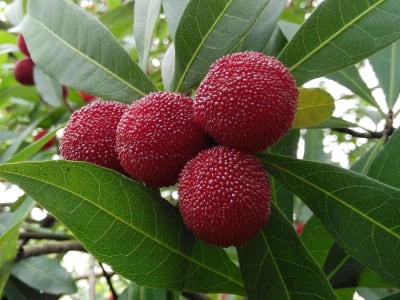
Myrica rubra, commonly known as Chinese Bayberry, is rich in flavonoids, especially myricetin, and anthocyanins, which are pivotal in its antioxidant and anti-inflammatory properties. This plant stands at the intersection of traditional Chinese medicine, where it has been used for digestive and respiratory health, and contemporary research into its potential for metabolic and cardiovascular support. The fruit's bioactive compounds have been studied for their role in modulating oxidative stress and inflammation, with a growing interest in their impact on metabolic syndrome and neuroprotection.
What it helps with
Oxidative stress & antioxidant support
Myricetin, a key flavonoid in Myrica rubra, acts by scavenging free radicals and upregulating the Nrf2 pathway, which enhances the expression of endogenous antioxidant enzymes like superoxide dismutase and catalase. This mechanism has been validated in both in vitro and animal studies, highlighting its potential to mitigate oxidative damage.
Inflammation & immune modulation
The anthocyanins in Myrica rubra inhibit the NF-kB signaling pathway, reducing the production of pro-inflammatory cytokines such as TNF-alpha and IL-6. This anti-inflammatory action has been observed in animal models, suggesting potential benefits for inflammatory conditions.
Metabolic syndrome & insulin resistance
Research indicates that myricetin can enhance insulin sensitivity by activating the AMPK pathway, which in turn improves glucose uptake and reduces hepatic gluconeogenesis. Animal studies have shown a decrease in blood glucose levels and improved lipid profiles, supporting its use in metabolic syndrome management.
Cardiovascular health
Myrica rubra's compounds, particularly myricetin, promote cardiovascular health by enhancing endothelial nitric oxide synthase (eNOS) activity, leading to improved vasodilation and reduced blood pressure. This effect has been demonstrated in preclinical models, with potential implications for atherosclerosis prevention.
Neuroprotection & cognitive support
The flavonoids in Myrica rubra, including myricetin, cross the blood-brain barrier and exert neuroprotective effects by reducing neuroinflammation and oxidative stress. Animal studies suggest a potential role in protecting against neurodegenerative diseases, though human data are still emerging.
Digestive health
Traditionally used in Chinese medicine for digestive issues, Myrica rubra's tannins and flavonoids may exert antimicrobial effects against gastrointestinal pathogens and modulate gut microbiota. This traditional use is supported by preliminary in vitro studies.
Respiratory health
Myrica rubra has been traditionally used to alleviate respiratory conditions, potentially due to its anti-inflammatory and antimicrobial properties. The flavonoids may inhibit respiratory pathogens and reduce inflammation, although clinical evidence is limited.
Key active compounds
Myricetin
A flavonoid that exhibits strong antioxidant properties by activating the Nrf2 pathway and inhibiting NF-kB. It also enhances insulin sensitivity via AMPK activation, with limited bioavailability that may be improved through formulation strategies.
Anthocyanins
These pigments provide antioxidant and anti-inflammatory effects by scavenging free radicals and modulating signaling pathways such as NF-kB. They are crucial for the fruit's vibrant color and health benefits.
Tannins
Polyphenolic compounds that contribute to antimicrobial activity, particularly in the digestive tract. They may also play a role in modulating gut microbiota.
Quercetin
A flavonoid with similar antioxidant and anti-inflammatory properties to myricetin, known for inhibiting key enzymes and pathways like COX-2 and NF-kB.
Gallic acid
A phenolic acid with potent antioxidant activity, contributing to the overall radical scavenging capacity of the fruit. It may also exert antimicrobial effects.
Ellagic acid
A polyphenol that provides antioxidant benefits and may inhibit the proliferation of certain cancer cells in vitro. It is noted for its poor bioavailability.
What the research says
Research on Myrica rubra is primarily focused on its antioxidant and anti-inflammatory properties, with myricetin and anthocyanins showing the strongest evidence in preclinical studies. These compounds have been studied for their effects on metabolic and cardiovascular health, particularly in animal models where they improve lipid profiles and insulin sensitivity. Human studies are limited but suggest potential benefits for oxidative stress and inflammation-related conditions. The main limitation is the bioavailability of its active compounds, particularly flavonoids like myricetin, which may be addressed through advanced delivery systems or combination with other bioavailability enhancers.
Typical dosage
For fruit juice, consume 100-200 ml daily, preferably with meals. For extracts, a typical dose is 500 mg per day, standardized to contain a specific percentage of anthocyanins. As a powder, 1-2 teaspoons can be mixed into smoothies or water. Tinctures are usually taken in doses of 1-2 ml, up to three times daily. Always start with lower doses to assess tolerance.
About Chinese Bayberry
Traditional Use
Preparations & Dosage
Preparations
- Fruit Juice: Wash and de-seed the berries. Blend with water until smooth, then strain to remove pulp. Serve chilled or at room temperature.
- Extract: Follow the manufacturer's instructions for dosing. Typically involves mixing with water or juice.
- Powder: Mix 1-2 teaspoons of powder into smoothies, yogurt, or water. Stir well before consuming.
- Tincture: Use a dropper to measure 1-2 ml of tincture. Add to a small amount of water and consume.
Interactions & Warnings
Use with caution
Myrica rubra should be used with caution by individuals with allergies to similar fruits. Excessive consumption may lead to gastrointestinal discomfort. Pregnant and breastfeeding women should consult a healthcare provider before use.
Herb Interactions
May enhance blood-thinning effects, increasing bleeding risk.
Community Plants
Real plants of this species grown and shared by the MyFloralVault community.
More in Immune Support





Was this helpful?
1 · 0
Care Guide Available
Learn how to grow and care for Chinese Bayberry at home