Banlangen
Isatis Tinctoria

Medicinal Facts
Isatis tinctoria, commonly known as Banlangen, is renowned for its glucosinolates and indole derivatives, particularly indirubin and isatin. This plant stands at the intersection of Traditional Chinese Medicine, where it is used for detoxification and clearing heat, and modern pharmacological research focusing on its antiviral and anti-inflammatory properties. Its effectiveness in traditional protocols is supported by its modulation of immune responses and interference with viral replication mechanisms. Recent studies have highlighted its potential in modulating cytokine production and inhibiting specific viral enzymes.
What it helps with
Viral infections
Indirubin and isatin from Isatis tinctoria have demonstrated inhibitory effects on viral replication by targeting viral RNA polymerases and proteases. These compounds alter the viral life cycle, potentially reducing viral load and symptom severity. Evidence primarily comes from in vitro studies and traditional use, with ongoing research into specific viral targets like influenza and hepatitis.
Immune modulation
Isatis tinctoria's glucosinolates are metabolized into isothiocyanates, which modulate immune responses by influencing NF-kB and MAPK pathways. This results in altered cytokine production, enhancing the body's ability to manage inflammatory responses. Both traditional use and animal studies support its role in immune system support.
Anti-inflammatory effects
Compounds such as indirubin inhibit cyclooxygenase (COX) enzymes and downregulate pro-inflammatory cytokines like TNF-a and IL-6. This action is mediated through the suppression of NF-kB signaling, which is a cornerstone of its traditional use in treating inflammatory conditions. Evidence includes animal models and traditional applications.
Detoxification & liver support
Isatis tinctoria is traditionally used to support liver function and detoxification, attributed to its glucosinolate content. These compounds induce phase II detoxification enzymes via the Nrf2 pathway, enhancing the liver's ability to process and eliminate toxins. This mechanism is supported by both traditional use and preclinical studies.
Respiratory health
The plant's anti-inflammatory and antiviral properties extend to respiratory health, where it may alleviate symptoms of upper respiratory tract infections. Indirubin and isatin modulate inflammatory mediators in the respiratory tract, supported by traditional usage and preliminary clinical observations.
Cancer-adjunct research
Indirubin has been studied for its potential in cancer therapy, particularly in leukemia, due to its ability to inhibit cyclin-dependent kinases (CDKs) and induce apoptosis. This action is primarily supported by in vitro studies and animal models, with limited human data available.
Skin conditions
Topically, Isatis tinctoria may aid in treating inflammatory skin conditions due to its anti-inflammatory and antimicrobial properties. Indirubin and isatin reduce skin inflammation by inhibiting NF-kB and COX pathways, with evidence from traditional use and preliminary studies.
Key active compounds
Indirubin
A bisindole alkaloid that inhibits cyclin-dependent kinases (CDKs) and modulates NF-kB signaling, contributing to its anti-inflammatory and anticancer properties. It has limited bioavailability, which is a focus of current formulation research.
Isatin
An indole derivative with antiviral and anti-inflammatory effects, acting on viral enzymes and inflammatory pathways. It enhances indirubin's effects and is a significant focus in antiviral research.
Glucosinolates
Sulfur-containing compounds that are hydrolyzed into isothiocyanates, which activate the Nrf2 pathway and modulate immune responses. They are crucial for the plant's detoxifying and immune-supportive properties.
Isothiocyanates
Derived from glucosinolates, these compounds activate detoxification enzymes and modulate inflammatory pathways, enhancing the plant's therapeutic profile.
Beta-sitosterol
A phytosterol that contributes to the plant's anti-inflammatory and immune-modulatory effects by inhibiting pro-inflammatory cytokines and supporting immune cell function.
Flavonoids
These polyphenolic compounds provide antioxidant effects and support the plant's overall anti-inflammatory action by scavenging free radicals and modulating cell signaling pathways.
Tryptanthrin
An indole alkaloid with antimicrobial and anti-inflammatory properties, contributing to the plant's traditional use in treating infections and inflammation.
What the research says
Research on Isatis tinctoria primarily focuses on its antiviral and immune-modulating properties. Indirubin and isatin are the most studied compounds, with significant in vitro and animal model evidence supporting their antiviral actions, particularly against influenza and other respiratory viruses. The plant's glucosinolates and their metabolites are well-documented in preclinical studies for their detoxification and anti-inflammatory effects. However, the main limitation remains the bioavailability of its active compounds, particularly indirubin, which is being addressed through novel delivery systems such as nanoparticles and liposomal formulations to enhance absorption and efficacy.
Typical dosage
For tea or infusion, use 1-2 grams of dried root per cup of boiling water, steep for 10-15 minutes, and consume up to three times daily. For tinctures, a standard dose is 2-4 ml taken two to three times per day. Capsules or powders should be taken as directed on the product label, typically 500-1000 mg up to three times daily. It is important to start with the lowest dose to assess tolerance.
About Banlangen
Traditional Use
Preparations & Dosage
Preparations
- Tea / Infusion: Use 1-2 grams of dried Isatis tinctoria root per cup of boiling water. Steep for 10-15 minutes, strain, and drink. Add honey or lemon for taste if desired.
- Tincture: Use a standard tincture of Isatis tinctoria, taking 2-4 ml two to three times daily. Shake well before use and dilute in water or juice if needed.
- Capsule: Take 500-1000 mg of Isatis tinctoria capsules up to three times daily, with meals to reduce potential stomach upset.
- Powder: Mix 1-2 grams of Isatis tinctoria powder into smoothies, juices, or water. Stir well and consume immediately.
- Decoction: Boil 5-10 grams of dried root in 500 ml of water for 20-30 minutes. Strain and drink warm.
Interactions & Warnings
Use with caution
Isatis tinctoria should be used with caution in individuals with autoimmune conditions, as it may stimulate the immune system. Pregnant or breastfeeding women should avoid use due to insufficient safety data. High doses can cause gastrointestinal upset.
Herb Interactions
May enhance immune-stimulating effects, potentially leading to overstimulation of the immune system.
Can increase photosensitivity and may alter the metabolism of other drugs due to enzyme induction.
Community Plants
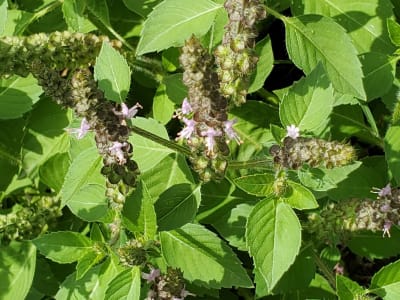
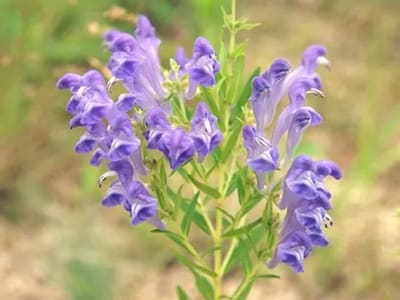
Real plants of this species grown and shared by the MyFloralVault community.

More in Immune Support





Was this helpful?
0 · 0
Care guides for related plants
Care Guide Available
Learn how to grow and care for Banlangen at home