Bandicoot Berry
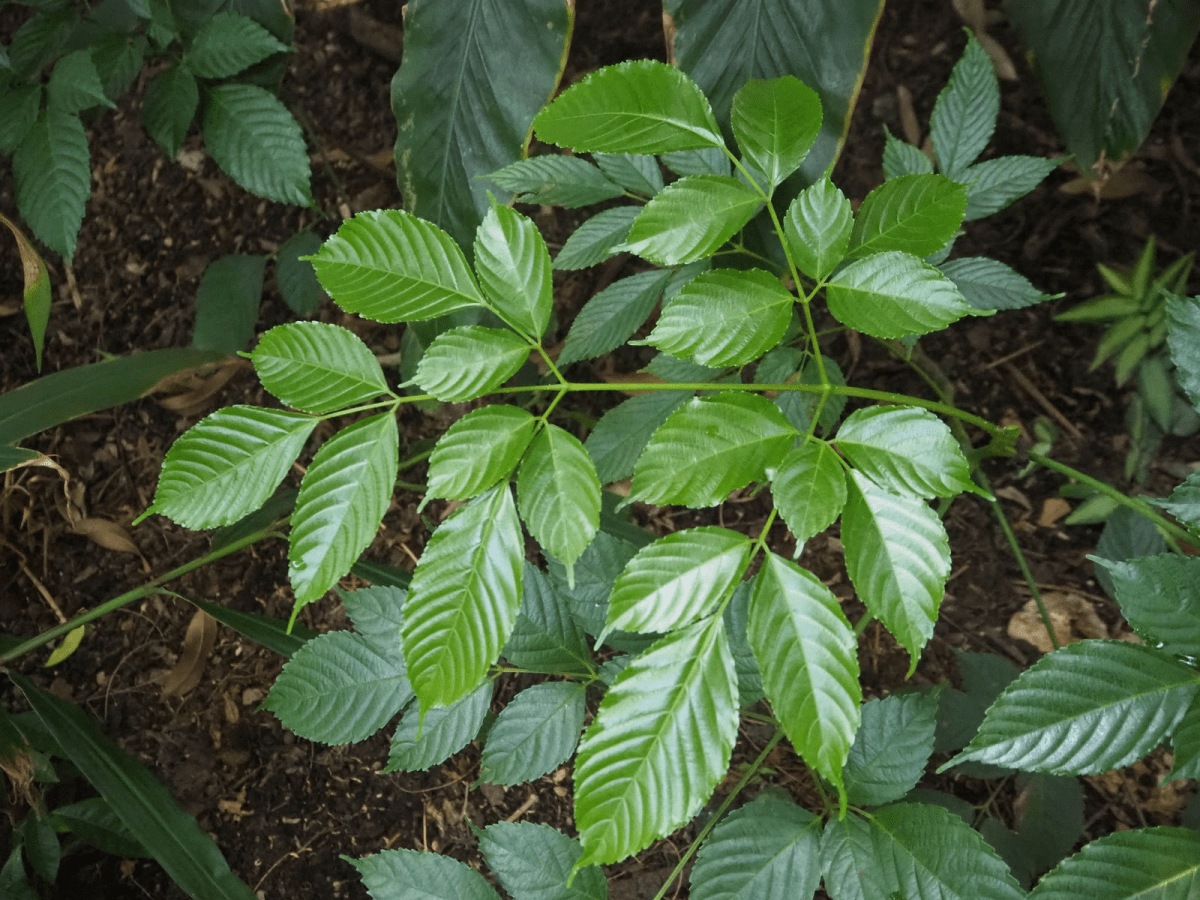
Leea Indica
Medicinal Facts
Leea indica, commonly known as Bandicoot Berry, is a rich source of flavonoids such as quercetin and kaempferol, along with phenolic acids like gallic acid. It stands at the intersection of traditional Southeast Asian medicine, where it is used for its anti-inflammatory and wound-healing properties, and modern pharmacological research exploring its antioxidant and antimicrobial potential. The plant's diverse phytochemical profile underpins its role in both traditional health practices and emerging scientific inquiries.
What it helps with
Inflammation
Leea indica's flavonoids, particularly quercetin, inhibit the NF-kB pathway, reducing the expression of pro-inflammatory cytokines such as TNF-a and IL-6. This mechanism is supported by in vitro studies showing decreased inflammatory markers, suggesting potential for conditions like arthritis.
Antimicrobial activity
The plant's phenolic compounds, including gallic acid, disrupt microbial cell walls and inhibit bacterial enzymes. In vitro assays demonstrate activity against common pathogens like Staphylococcus aureus, indicating a possible role in treating infections.
Antioxidant support
Leea indica exhibits strong antioxidant properties through its high flavonoid content, which scavenges free radicals and upregulates endogenous antioxidant enzymes like superoxide dismutase (SOD). This action helps mitigate oxidative stress, as shown in cell-based assays.
Wound healing
Traditionally used for wound care, Leea indica enhances healing through its promotion of collagen synthesis and modulation of TGF-beta signaling. Animal studies support its efficacy in accelerating wound closure and tissue regeneration.
Gastrointestinal health
The plant's tannins and flavonoids may protect the gastric mucosa by inhibiting gastric acid secretion and enhancing mucosal defense mechanisms. Preliminary animal studies suggest a protective effect against ulcers.
Diabetes management
Leea indica may aid in glucose regulation through its polyphenolic compounds, which inhibit alpha-glucosidase and alpha-amylase enzymes, reducing postprandial glucose spikes. Evidence from animal models supports its potential in managing blood sugar levels.
Cancer-adjunct research
Preclinical studies indicate that Leea indica's flavonoids can induce apoptosis and inhibit proliferation in cancer cell lines via modulation of the PI3K/Akt pathway. While promising, human data are not yet available, and its role remains investigational.
Key active compounds
Quercetin
A flavonoid that modulates NF-kB and inhibits lipid peroxidation. It also enhances the activity of endogenous antioxidant enzymes, contributing to its anti-inflammatory and antioxidant effects.
Kaempferol
Another flavonoid with anti-inflammatory properties, known to inhibit the MAPK pathway and reduce oxidative stress. It synergizes with quercetin to enhance overall efficacy.
Gallic acid
A phenolic acid with strong antimicrobial and antioxidant activities. It disrupts microbial cell walls and scavenges free radicals, contributing to the plant's protective effects.
Tannins
Polyphenolic compounds that provide astringent properties, protect the gastric mucosa, and exhibit antimicrobial activity by precipitating microbial proteins.
Saponins
These compounds have surface-active properties that can enhance the absorption of other active constituents and exhibit mild antimicrobial effects.
Phenolic acids
A class of compounds including gallic acid that contribute to the plant's antioxidant profile by neutralizing free radicals and supporting cellular antioxidant defenses.
What the research says
Research on Leea indica focuses on its anti-inflammatory and antimicrobial properties. Flavonoids like quercetin and kaempferol show strong evidence in vitro for reducing inflammation and oxidative stress, with some animal studies supporting these findings. The antimicrobial effects are primarily supported by in vitro assays demonstrating efficacy against common pathogens. The main limitation in translating these findings to clinical use is the lack of human trials, which is compounded by potential bioavailability issues typical of polyphenolic compounds. Strategies such as formulation with absorption enhancers or the development of standardized extracts are being explored to overcome these challenges.
Typical dosage
For decoction, use 10-15 grams of dried leaves or roots per 500 ml of water, boil for 15-20 minutes, and consume up to twice daily. For tincture, take 2-3 ml diluted in water up to three times a day. For poultice, apply directly to the affected area as needed. Capsules and powders should be used according to the manufacturer's instructions, typically 500 mg to 1 g per dose, not exceeding three doses per day.
About Bandicoot Berry
Traditional Use
Preparations & Dosage
Preparations
- Decoction: Boil 10-15 grams of dried Leea indica leaves or roots in 500 ml of water for 15-20 minutes. Strain and drink the liquid while warm.
- Poultice: Crush fresh leaves into a paste and apply directly to the affected area. Cover with a clean cloth and leave for 30 minutes to an hour.
- Tincture: Use a 1:5 ratio of dried Leea indica to alcohol (e.g., vodka). Let it sit for 4-6 weeks, shaking occasionally. Strain and store in a dark bottle.
Interactions & Warnings
Use with caution
Leea indica should be used with caution, particularly by pregnant or breastfeeding women, due to limited research on its safety in these groups. Individuals with known allergies to plants in the Vitaceae family should avoid it. Always consult a healthcare provider before use.
Herb Interactions
Combining with ginger may enhance anti-inflammatory effects, potentially leading to excessive reduction of inflammation.
Community Plants
Real plants of this species grown and shared by the MyFloralVault community.
More in Immune Support





Was this helpful?
0 · 0