Bandicoot Berry
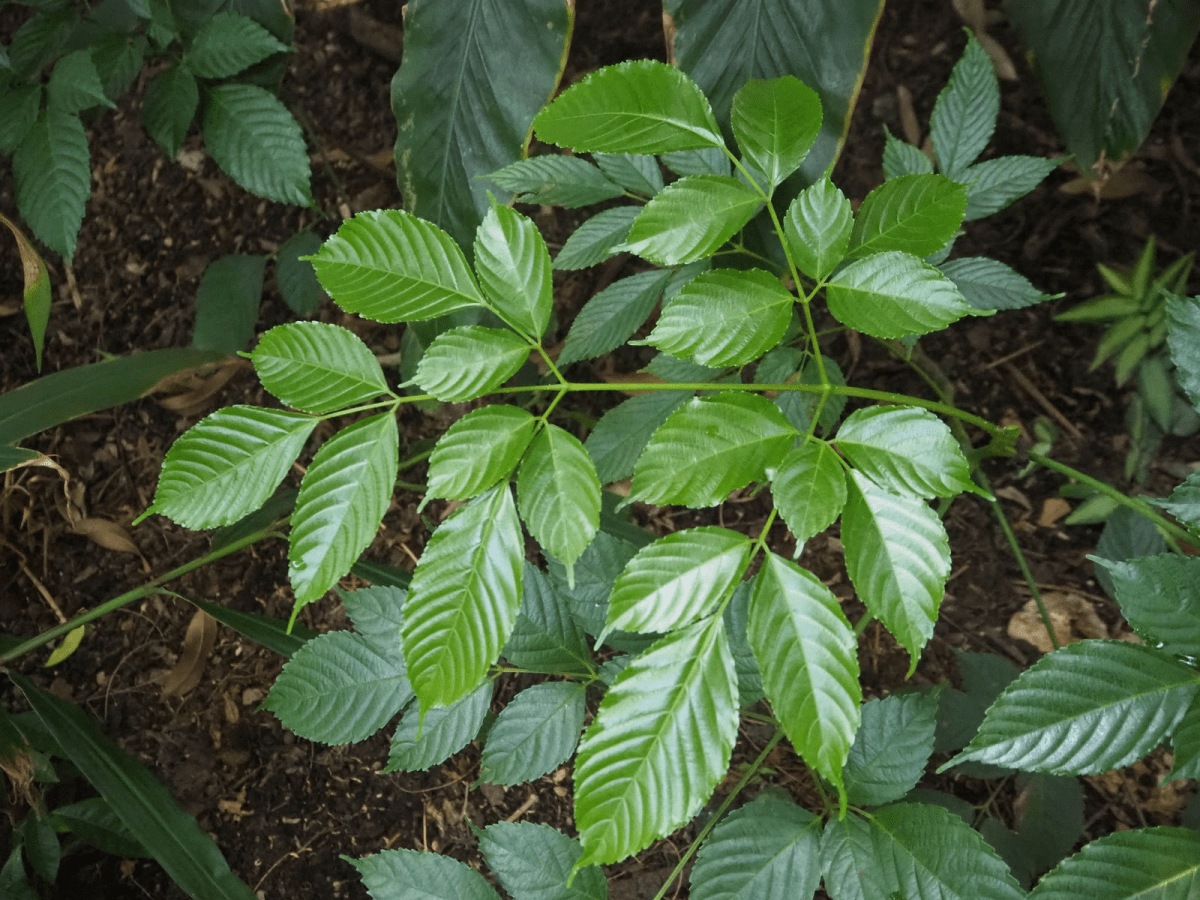
Description by @jominime
its main compound, gallic acid, kills prostate cancer, cervical cancer, CML leukemia, and Ehrlich carcinoma.
it kills Acanthamoeba — one of the nastiest infections in ophthalmology — without touching human cells. it inhibits the enzyme that makes melanin (skin brightening), kills a 10-organism panel of bacteria and fungi simultaneously, and hits HIV, influenza, herpes, hepatitis B, and norovirus antivirally.
leaf ethanol extract showed significant inhibition against Gram-positive Bacillus subtilis, B. cereus, B. megaterium, and Staphylococcus aureus, and Gram-negative Salmonella typhi, S. paratyphi, Pseudomonas aeruginosa, Shigella dysenteriae, Vibrio cholerae, and E. coli. antifungal activity against Aspergillus flavus, Candida albicans, and Fusarium equisetii at 38%, 23%, and 23% inhibition respectively.
gallic acid at 100 µg/mL revealed 83% inhibition of Acanthamoeba trophozoites and 69% inhibition of cysts. butanol fraction induced apoptosis in trophozoites. cytotoxicity tested against MRC-5 human lung cells showed no adverse effect.
Acanthamoeba infections cause a rare but devastating brain infection (granulomatous amoebic encephalitis) and the most severe form of contact lens-associated eye infection — treatments are limited and gallic acid nanoparticles from this plant represent a genuine drug development lead.
mollic acid α-L-arabinoside and mollic acid β-D-xyloside from L. indica leaves showed cytotoxic effect on CaSki cervical cancer cells. methanol, ethanol, and aqueous extracts showed in vitro growth inhibitory effect against DU-145 and PC-3 prostate cancer cell lines. methanolic leaf extract showed antitumor activity against Ehrlich Ascites Carcinoma cells.
gallic acid specifically inhibits BCR/ABL tyrosine kinase — the driver mutation in chronic myeloid leukemia — induces apoptosis in CML cell lines, and reduces colony formation of primary CML CD34+ cells.
gallic acid has reported anti-tyrosinase activity. tyrosinase is the rate-limiting enzyme in melanin synthesis. gallic acid inhibition of tyrosinase directly reduces melanin production and hyperpigmentation.
Found in Apothecary
Immune Support · antibacterial support, antioxidant properties
View medicinal usesRelated Plants
Plant information is for educational purposes only.