Yu Choy Sum
Brassica Chinensis Var. Parachinensis

Medicinal Facts
Yu Choy Sum, a member of the Brassica family, is rich in glucosinolates and flavonoids, particularly kaempferol and quercetin. It stands at the intersection of traditional Chinese dietary practices, where it is valued for its nutrient density, and modern phytochemical research focusing on its potential chemopreventive and anti-inflammatory properties. The plant's glucosinolates undergo enzymatic hydrolysis to produce bioactive isothiocyanates, compounds of significant interest in cancer prevention studies.
What it helps with
Cancer prevention
Glucosinolates in Yu Choy Sum are hydrolyzed by the enzyme myrosinase into isothiocyanates, such as sulforaphane, which modulate phase II detoxification enzymes via the Nrf2 pathway. This enhances cellular antioxidant defenses and induces apoptosis in cancerous cells. Preclinical studies support these effects, with human epidemiological data suggesting a protective role against certain cancers.
Inflammation
Quercetin and kaempferol, flavonoids in Yu Choy Sum, inhibit the NF-kB pathway, reducing the expression of pro-inflammatory cytokines like TNF-a and IL-6. This mechanism underlies their potential in managing chronic inflammatory conditions, as supported by in vitro and animal studies.
Cardiovascular health
Kaempferol enhances endothelial nitric oxide synthase (eNOS) activity, promoting vasodilation and improving blood flow. This flavonoid also inhibits platelet aggregation, offering a cardioprotective effect. Human observational studies correlate higher intake with reduced cardiovascular risk.
Antioxidant support
The high levels of vitamin C and flavonoids in Yu Choy Sum contribute to its antioxidant capacity. These compounds scavenge free radicals and upregulate endogenous antioxidant enzymes, providing cellular protection against oxidative stress. Evidence is primarily from in vitro assays and dietary studies.
Bone health
Yu Choy Sum is a source of vitamin K, which is crucial for osteocalcin carboxylation, a process essential for bone mineralization. Epidemiological studies link adequate vitamin K intake with improved bone density and reduced fracture risk.
Detoxification
Isothiocyanates from glucosinolates enhance phase II detoxification enzymes, such as glutathione S-transferase, aiding in the excretion of potential carcinogens. This detoxifying effect is well-documented in animal models and supported by some human dietary intervention studies.
Immune support
The vitamin C content in Yu Choy Sum supports immune function by enhancing the activity of phagocytes and lymphocytes. This vitamin also acts as an antioxidant, protecting immune cells from oxidative damage. Clinical studies affirm its role in reducing the duration and severity of colds.
Key active compounds
Glucosinolates
Sulfur-containing compounds that, upon hydrolysis by myrosinase, yield bioactive isothiocyanates. These are studied for their role in cancer prevention and detoxification.
Isothiocyanates (e.g., sulforaphane)
Derived from glucosinolates, these compounds activate the Nrf2 pathway, enhancing phase II detoxification and exerting anti-cancer effects. They are a focus of chemopreventive research.
Kaempferol
A flavonoid that modulates eNOS and inhibits NF-kB, contributing to its anti-inflammatory and cardioprotective effects. It also exhibits antioxidant properties.
Quercetin
A flavonoid known for its anti-inflammatory and antioxidant activities. It inhibits NF-kB and scavenges free radicals, with potential benefits in cardiovascular and inflammatory conditions.
Vitamin C
An essential nutrient with antioxidant properties, supporting immune function and collagen synthesis. It enhances non-heme iron absorption and protects cells from oxidative damage.
Vitamin K
Vital for blood coagulation and bone health, it acts as a cofactor for the carboxylation of osteocalcin, a protein involved in bone mineralization.
What the research says
Research on Yu Choy Sum focuses on its glucosinolate-derived isothiocyanates and flavonoids, with strong preclinical evidence supporting their roles in cancer prevention and inflammation modulation. Human epidemiological studies suggest a correlation between high intake of Brassica vegetables and reduced cancer risk, although direct clinical trials on Yu Choy Sum specifically are limited. The main limitation is the bioavailability of isothiocyanates, which varies with preparation and individual gut microbiota composition. Strategies to enhance bioavailability include consuming the plant raw or lightly cooked to preserve myrosinase activity, which is essential for converting glucosinolates into active isothiocyanates.
Typical dosage
For culinary use, Yu Choy Sum can be consumed in various forms such as stir-fried, steamed, or in soups. A typical serving size is about 100-150 grams per meal. There is no specific dosage for medicinal purposes, but incorporating it regularly into meals can contribute to overall health benefits.
About Yu Choy Sum
Traditional Use
Preparations & Dosage
Preparations
- Stir-fry: Wash and chop Yu Choy Sum into bite-sized pieces. Heat a tablespoon of oil in a pan over medium heat. Add garlic and stir-fry until fragrant. Add Yu Choy Sum and stir-fry for 3-5 minutes until the leaves are wilted and the stalks are tender. Season with salt or soy sauce to taste.
- Steamed: Rinse Yu Choy Sum thoroughly. Place in a steamer basket over boiling water. Cover and steam for 5-7 minutes until tender. Serve with a drizzle of sesame oil and a sprinkle of sesame seeds.
- Soup: Add chopped Yu Choy Sum to a pot of boiling broth. Simmer for 5-10 minutes until the vegetables are tender. Season with salt and pepper to taste. Serve hot.
Interactions & Warnings
Use with caution
Yu Choy Sum is generally safe for consumption. However, individuals with thyroid conditions should moderate intake due to the presence of goitrogens, which can interfere with thyroid function. Cooking can reduce these compounds.
Herb Interactions
Both are cruciferous vegetables and may contribute to goitrogenic effects if consumed in large quantities.
Community Plants
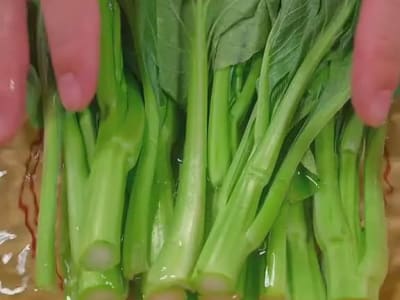
Real plants of this species grown and shared by the MyFloralVault community.
More in Metabolic Health




Was this helpful?
0 · 0
Care guides for related plants
Care Guide Available
Learn how to grow and care for Yu Choy Sum at home