Muicle
Justicia Spicigera

Medicinal Facts
Justicia spicigera, commonly known as Muicle, is rich in flavonoids such as kaempferol and quercetin, which contribute to its traditional use in Mexican herbal medicine and its emerging role in modern phytotherapy research. It is situated at the intersection of traditional Mexican protocols for blood purification and menstrual regulation, and contemporary studies exploring its antioxidant and anti-inflammatory properties. The plant's vivid blue flowers are also a source of anthocyanins, which are being researched for their potential in managing oxidative stress-related conditions.
What it helps with
Menstrual regulation
Traditionally, Muicle is used to regulate menstrual cycles, potentially through its flavonoid content, which may modulate estrogen receptors and influence hormonal balance. Although specific molecular pathways in humans are not fully elucidated, its use is supported by ethnobotanical evidence.
Blood purification
Muicle is traditionally used as a blood purifier, which may be attributed to its high antioxidant content, particularly quercetin and kaempferol. These compounds can scavenge free radicals and upregulate Nrf2, a transcription factor that enhances the expression of antioxidant enzymes. This traditional use is primarily supported by anecdotal and ethnobotanical evidence.
Anti-inflammatory effects
The flavonoids in Muicle, such as quercetin, inhibit the NF-kB pathway, reducing the expression of pro-inflammatory cytokines like TNF-alpha and IL-6. This mechanism is supported by in vitro studies, highlighting its potential in managing inflammatory conditions.
Antioxidant support
Muicle's anthocyanins and flavonoids activate Nrf2, leading to increased production of endogenous antioxidants such as glutathione. This activity helps mitigate oxidative stress, supported by both in vitro and animal studies.
Cardiovascular health
The plant's quercetin content may improve endothelial function by enhancing nitric oxide availability, which is mediated through eNOS activation. Preliminary animal studies suggest a potential role in supporting cardiovascular health.
Wound healing
Traditionally applied topically, Muicle may enhance wound healing through its antimicrobial and anti-inflammatory properties. Flavonoids like kaempferol can promote collagen synthesis and modulate TGF-beta signaling, although direct human studies are limited.
Diabetes management
Muicle may aid in managing diabetes by modulating glucose metabolism. Quercetin has been shown to activate AMPK, which enhances insulin sensitivity and reduces hepatic glucose production, primarily supported by animal studies.
Key active compounds
Kaempferol
A flavonoid that exhibits antioxidant and anti-inflammatory properties. It modulates signaling pathways such as NF-kB and Nrf2 and may influence estrogen receptors, relevant to its traditional use in menstrual regulation.
Quercetin
A potent antioxidant flavonoid that inhibits NF-kB and activates AMPK and eNOS. It is crucial for Muicle's anti-inflammatory and cardiovascular effects, though its bioavailability can be limited.
Anthocyanins
These pigments provide antioxidant support by activating Nrf2 and scavenging free radicals. They contribute to Muicle's potential in managing oxidative stress-related conditions.
Chlorogenic acid
An antioxidant compound that inhibits lipid peroxidation and may modulate glucose metabolism. It complements the flavonoids in supporting metabolic health.
Caffeic acid
A phenolic acid with antioxidant properties, it may enhance the overall free radical scavenging capacity of Muicle, supporting its traditional use as a blood purifier.
Luteolin
A flavonoid with anti-inflammatory effects, it inhibits the NF-kB pathway and may contribute to Muicle's efficacy in reducing inflammation.
What the research says
Research on Justicia spicigera focuses on its flavonoid content, particularly quercetin and kaempferol, which have shown promise in preclinical models for their antioxidant and anti-inflammatory effects. Animal studies suggest potential benefits in managing cardiovascular health and diabetes through pathways such as eNOS and AMPK activation. However, human clinical data are sparse, and the primary limitation remains the bioavailability of these compounds. Strategies such as formulation with bioenhancers or the use of whole-plant extracts may help address this issue, enhancing the absorption and efficacy of its active constituents.
Typical dosage
For a tea or infusion, use 1-2 teaspoons of dried leaves per cup of boiling water, steep for 10-15 minutes, and consume up to three times daily. For tinctures, a typical dosage is 1-2 ml taken up to three times daily. Decoctions can be made by simmering 1-2 teaspoons of dried leaves in water for 20-30 minutes, consumed once or twice daily. Capsules should be taken according to the manufacturer's instructions, usually 1-2 capsules per day.
About Muicle
Traditional Use
Preparations & Dosage
Preparations
- Tea / Infusion: Boil water and pour over 1-2 teaspoons of dried Muicle leaves. Cover and steep for 10-15 minutes. Strain and drink warm. Add honey or lemon for taste if desired.
- Tincture: Combine 1 part dried Muicle leaves with 5 parts alcohol (such as vodka) in a glass jar. Seal and store in a cool, dark place for 4-6 weeks, shaking occasionally. Strain and store the liquid in a dark glass bottle.
- Decoction: Simmer 1-2 teaspoons of dried Muicle leaves in 2 cups of water for 20-30 minutes. Strain and drink warm.
- Poultice: Crush fresh Muicle leaves and mix with a small amount of water to form a paste. Apply directly to the skin over the affected area and cover with a clean cloth.
Interactions & Warnings
Use with caution
While generally considered safe in traditional use, caution is advised for pregnant or breastfeeding women, and those with chronic health conditions should consult a healthcare provider before use. Overconsumption may lead to gastrointestinal discomfort.
Herb Interactions
Both herbs have anti-inflammatory properties, and combining them may enhance these effects, potentially leading to excessive anti-inflammatory action.
Community Plants
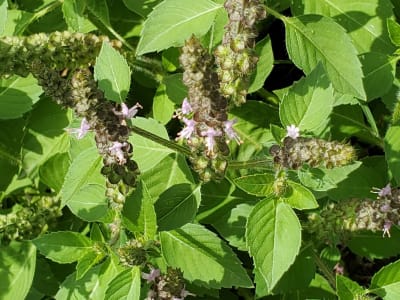
Real plants of this species grown and shared by the MyFloralVault community.

More in Immune Support





Was this helpful?
0 · 0
Care guides for related plants
Care Guide Available
Learn how to grow and care for Muicle at home