Longevity Spinach
Gynura Procumbens
Medicinal Facts
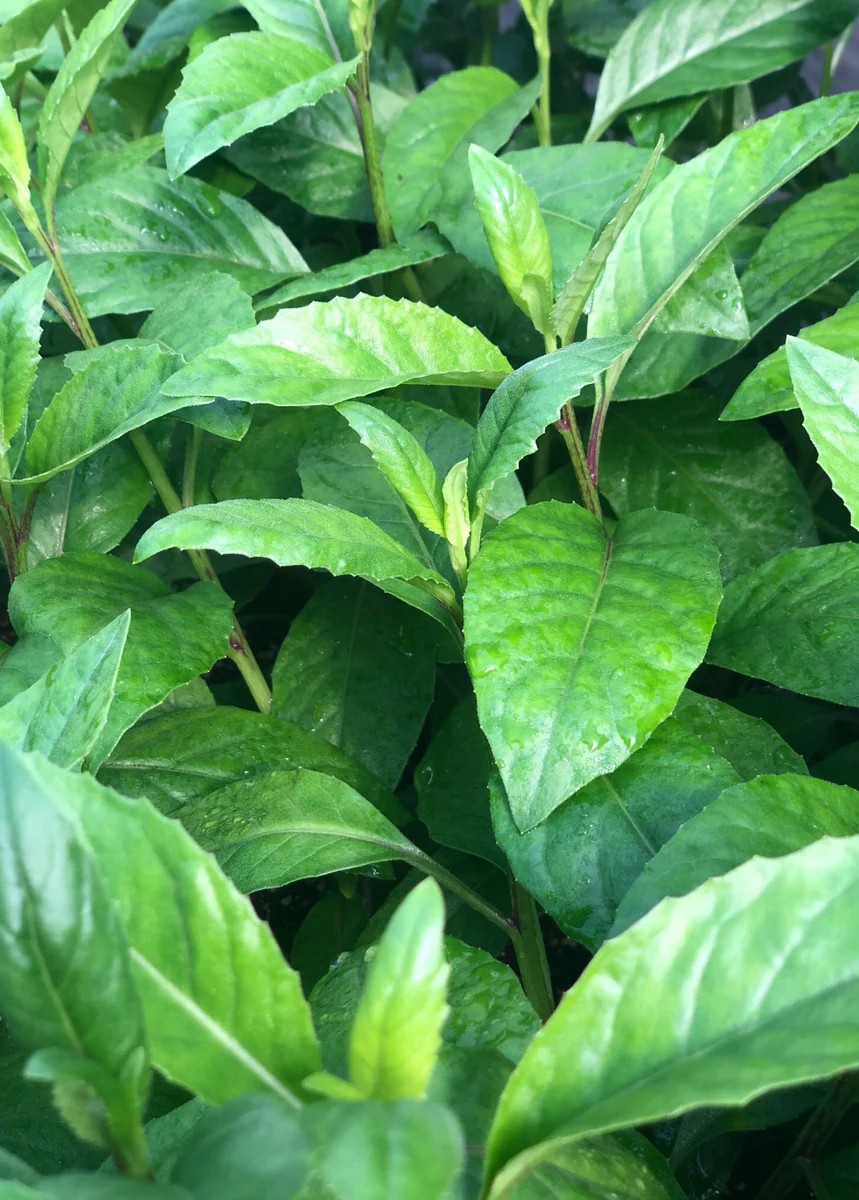
Gynura procumbens, commonly known as Longevity Spinach, is rich in flavonoids, saponins, and phenolic acids, which are pivotal in its traditional use in Southeast Asian medicine and its emerging role in modern metabolic and cardiovascular research. It sits at the intersection of traditional herbal protocols, where it is used for anti-inflammatory and antihypertensive purposes, and contemporary studies focusing on its antioxidant and hypoglycemic properties. The plant's multifaceted benefits are largely attributed to its ability to modulate key metabolic and inflammatory pathways, making it a subject of interest for both traditional practitioners and modern scientists.
What it helps with
Hypertension
Gynura procumbens may support blood pressure regulation through its flavonoid content, which enhances nitric oxide (NO) production via endothelial nitric oxide synthase (eNOS) activation. This leads to vasodilation and improved blood flow. Animal studies show significant hypotensive effects, with human trials still in early stages.
Diabetes & blood sugar control
The saponins and phenolic acids in Gynura procumbens activate AMP-activated protein kinase (AMPK), which enhances glucose uptake and improves insulin sensitivity. This mechanism underlies its traditional use for managing blood sugar levels, supported by animal studies showing reduced fasting glucose and improved glycemic control.
Inflammation & immune modulation
Gynura procumbens exhibits anti-inflammatory effects by inhibiting the nuclear factor kappa-light-chain-enhancer of activated B cells (NF-kB) pathway, reducing the production of pro-inflammatory cytokines like TNF-alpha and IL-6. This is supported by in vitro and animal studies, highlighting its potential in inflammatory conditions.
Cholesterol & lipid management
Flavonoids in Gynura procumbens inhibit HMG-CoA reductase, the enzyme responsible for cholesterol synthesis, and enhance LDL receptor activity, leading to improved lipid profiles. Animal studies demonstrate reductions in total cholesterol and LDL levels, with preliminary human data suggesting similar trends.
Antioxidant defense
The phenolic compounds in Gynura procumbens activate the Nrf2 pathway, leading to the upregulation of antioxidant enzymes such as superoxide dismutase (SOD) and catalase. This mechanism supports its traditional use as a general health tonic, with evidence from in vitro studies showing significant free radical scavenging activity.
Wound healing & skin health
Gynura procumbens promotes wound healing through its saponins, which enhance collagen synthesis and fibroblast proliferation. It also modulates TGF-beta signaling, crucial for tissue repair. Traditional applications include topical use for cuts and ulcers, supported by animal studies demonstrating accelerated healing.
Cancer-adjunct research
Preclinical studies suggest Gynura procumbens may modulate apoptosis and inhibit angiogenesis through pathways involving caspases and VEGF. These findings are primarily in vitro, with the plant's role as an adjunct in cancer therapy being exploratory and not yet supported by clinical trials.
Key active compounds
Flavonoids
These compounds, including kaempferol and quercetin, bind to and modulate enzymes like eNOS, promoting vasodilation and antioxidant effects. They are central to the plant's cardiovascular benefits.
Saponins
Act as hypoglycemic agents by activating AMPK, enhancing insulin sensitivity, and promoting glucose uptake. They also support wound healing through collagen synthesis.
Phenolic acids
Compounds such as chlorogenic acid that activate the Nrf2 pathway, leading to increased antioxidant enzyme production and reduced oxidative stress.
Kaempferol
A flavonoid that inhibits HMG-CoA reductase, contributing to cholesterol-lowering effects. It also exhibits anti-inflammatory properties by modulating NF-kB.
Quercetin
A potent antioxidant flavonoid that enhances endothelial function and reduces inflammation by inhibiting NF-kB and activating eNOS.
Chlorogenic acid
A phenolic acid that contributes to glucose metabolism regulation by inhibiting glucose-6-phosphatase, reducing hepatic glucose production.
Caffeic acid
Exhibits antioxidant properties by scavenging free radicals and modulating the Nrf2 pathway, enhancing cellular defense mechanisms.
What the research says
Research on Gynura procumbens is largely preclinical, with animal studies demonstrating its potential in managing hypertension, diabetes, and hyperlipidemia through flavonoid-mediated pathways. The strongest evidence supports its antioxidant and anti-inflammatory roles, primarily driven by phenolic acids and saponins, with in vitro studies highlighting these effects. Human trials are limited, focusing on its hypotensive and hypoglycemic effects, but they are promising and suggest potential for broader clinical application. The main limitation remains the bioavailability of its active compounds, which is being addressed through the development of more bioavailable extracts and formulations, though further research is needed to optimize these approaches.
Typical dosage
For tea or infusion, steep 1-2 teaspoons of dried leaves in hot water for 5-10 minutes, consume up to 3 times daily. For tinctures, take 1-2 ml up to 3 times a day. Capsules typically contain 500 mg of dried leaf powder, with a recommended dose of 1-2 capsules up to 3 times daily. Fresh leaves can be consumed in salads or smoothies, with a typical serving size of 5-10 leaves per day. Topical applications for wound healing involve crushing fresh leaves and applying them directly to the affected area.
About Longevity Spinach
Traditional Use
Preparations & Dosage
Preparations
- Tea / Infusion: Use 1-2 teaspoons of dried Gynura procumbens leaves. Pour boiling water over the leaves and steep for 5-10 minutes. Strain the leaves and enjoy warm. Optionally, add honey or lemon for flavor.
- Tincture: Combine 1 part dried Gynura procumbens leaves with 5 parts alcohol (such as vodka) in a glass jar. Seal and shake daily for 4-6 weeks. Strain through a cheesecloth into a dark glass bottle.
- Capsule: Encapsulate dried and powdered Gynura procumbens leaves using empty gelatin or vegetable capsules. Store in a cool, dry place.
- Topical application: Crush fresh Gynura procumbens leaves into a paste and apply directly to the wound. Cover with a clean bandage.
Interactions & Warnings
Use with caution
Gynura procumbens is generally safe for most people when consumed in moderate amounts. However, individuals with hypoglycemia or those on blood sugar-lowering medications should use caution due to its potential to lower blood sugar levels. Pregnant and breastfeeding women should consult a healthcare provider before use.
Herb Interactions
Both herbs may lower blood sugar levels, potentially leading to hypoglycemia if used together.
Community Plants
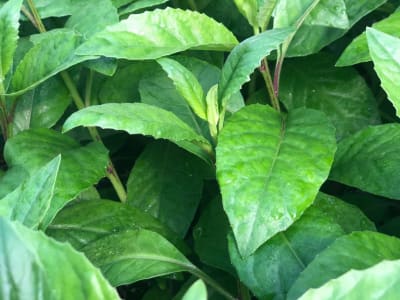
Real plants of this species grown and shared by the MyFloralVault community.
More in Metabolic Health




Was this helpful?
0 · 0