Jewel-leaf Plant
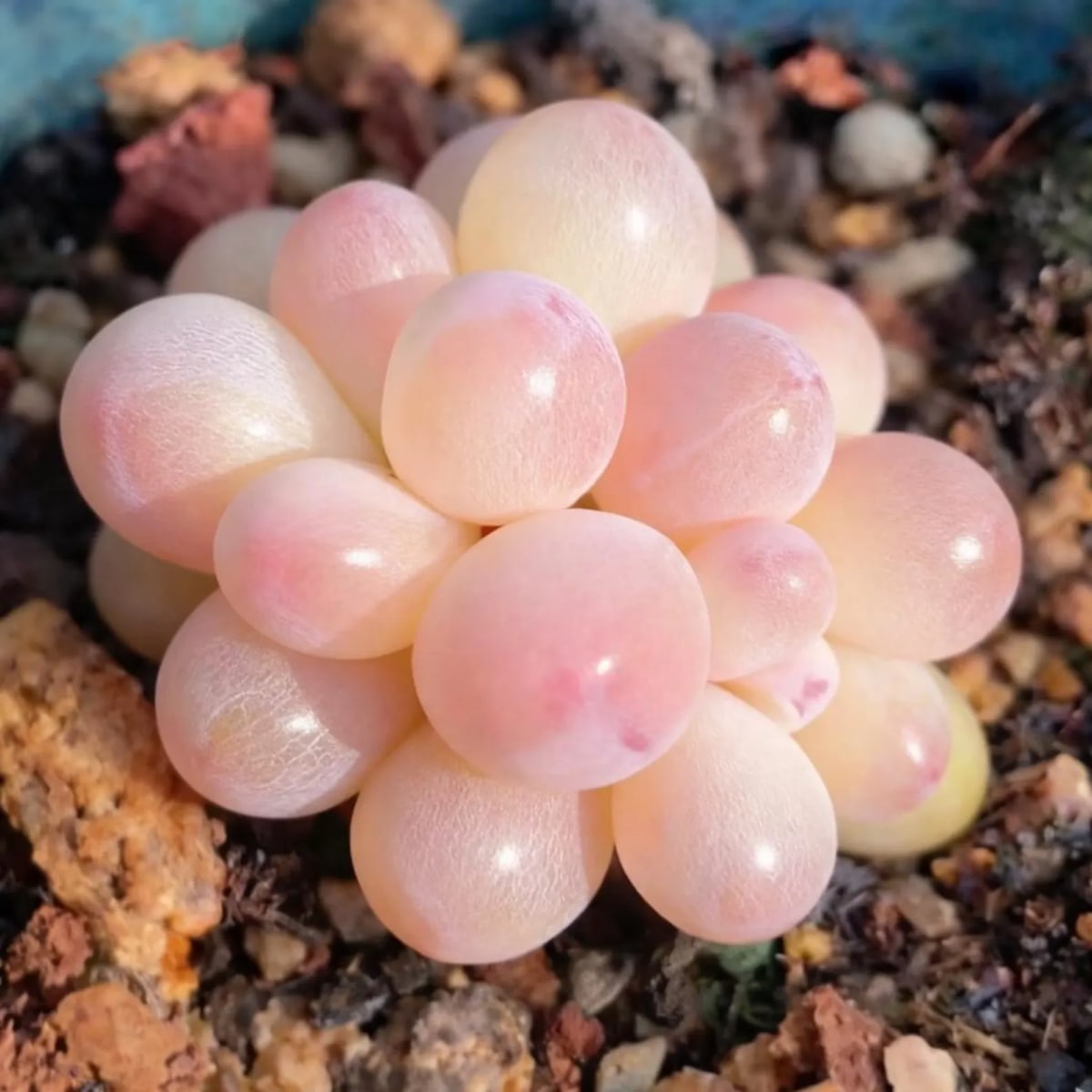
Graptopetalum Amethystinum
Medicinal Facts
Graptopetalum amethystinum, commonly known as the Jewel-leaf Plant, is noted for its unique phytochemical profile rich in flavonoids and terpenoids. It stands at the intersection of traditional Mexican herbal practices, where it is used for skin and wound healing, and emerging research on succulents' antioxidant and anti-inflammatory properties. Its bioactive compounds are being explored for their potential in modulating oxidative stress and inflammatory pathways. The plant's succulent nature suggests a reservoir of water-soluble polysaccharides that may play a role in its therapeutic effects.
What it helps with
Skin & wound healing
The flavonoids in Graptopetalum amethystinum, such as quercetin, are known to modulate the NF-kB pathway, reducing inflammation and promoting collagen synthesis. This action aids in wound healing and skin regeneration, supported by traditional use and preliminary in vitro studies.
Oxidative stress
The plant's terpenoids, including limonene, exhibit antioxidant activity by scavenging free radicals and upregulating Nrf2, a transcription factor that enhances the expression of endogenous antioxidant enzymes like glutathione peroxidase. This mechanism is primarily supported by in vitro assays.
Inflammatory conditions
Graptopetalum amethystinum contains compounds that inhibit COX-2, an enzyme involved in the inflammatory process. This inhibition reduces the synthesis of pro-inflammatory prostaglandins, as evidenced by animal studies focusing on related succulents.
Gastrointestinal health
Traditionally, the plant is used to soothe digestive discomfort. Its polysaccharides may form a protective mucilaginous layer in the gut, reducing irritation and supporting the gut barrier, though direct studies on this species are limited.
Immune modulation
The flavonoids in the plant can modulate immune responses by inhibiting the release of cytokines such as IL-6 and TNF-a, potentially through NF-kB pathway modulation. This is supported by traditional uses and related plant studies.
Anti-aging & longevity
Research suggests that the flavonoids in Graptopetalum amethystinum may activate SIRT1, a sirtuin involved in cellular longevity pathways. This activation can enhance mitochondrial function and improve cellular resistance to stress, though evidence is largely preclinical.
Antimicrobial properties
The terpenoids present in the plant, such as limonene, have shown antimicrobial activity against certain bacterial strains by disrupting microbial cell membranes. This is primarily supported by in vitro studies.
Key active compounds
Quercetin
A flavonoid that modulates NF-kB and inhibits COX-2, contributing to anti-inflammatory and antioxidant effects. It is also known to improve endothelial function.
Limonene
A terpenoid with antioxidant and antimicrobial properties. It modulates Nrf2 and disrupts microbial cell membranes, enhancing the plant's protective effects.
Polysaccharides
These compounds contribute to the plant's mucilaginous properties, potentially protecting and soothing the gastrointestinal tract. Their role in immune modulation is also being explored.
Kaempferol
A flavonoid that exhibits antioxidant activity by scavenging free radicals and modulating signaling pathways such as NF-kB, contributing to its anti-inflammatory effects.
Beta-sitosterol
A phytosterol known to modulate cholesterol levels and exhibit anti-inflammatory properties by inhibiting pro-inflammatory cytokines.
Myricetin
A flavonoid with strong antioxidant properties, enhancing cellular resistance to oxidative stress and modulating pathways like Nrf2.
What the research says
Research on Graptopetalum amethystinum is still in its nascent stages, with most studies focusing on its flavonoids and terpenoids. The strongest evidence comes from in vitro studies demonstrating antioxidant and anti-inflammatory activities, particularly through NF-kB and Nrf2 modulation. Human trials are lacking, but related succulents have shown promising results in animal models for skin healing and inflammation. The main limitation is the lack of comprehensive human studies and the need for enhanced bioavailability formulations to maximize therapeutic potential. Future research should focus on isolating specific compounds and conducting clinical trials to validate traditional uses.
Typical dosage
For topical applications, use the fresh leaves of Graptopetalum Amethystinum. Gently crush or slice the leaves to release the gel-like substance and apply directly to the skin. Use as needed for minor skin irritations or as a soothing agent. There is no standardized dosage, as its medicinal use is not well-documented.
About Jewel-leaf Plant
Traditional Use
Preparations & Dosage
Preparations
- Topical application: Select a healthy leaf, wash it thoroughly, and slice it open to expose the gel-like interior. Apply the gel directly to the affected skin area. Leave it on for 15-20 minutes before rinsing off with water.
Interactions & Warnings
Use with caution
Graptopetalum Amethystinum is generally considered safe for ornamental use, but there is limited information on its medicinal properties. It should not be ingested in large quantities, and individuals with allergies to succulents should handle it with care.
Community Plants
Real plants of this species grown and shared by the MyFloralVault community.
More in General




Was this helpful?
0 · 0