Japanese Pagoda Tree
Styphnolobium Japonicum
Medicinal Facts
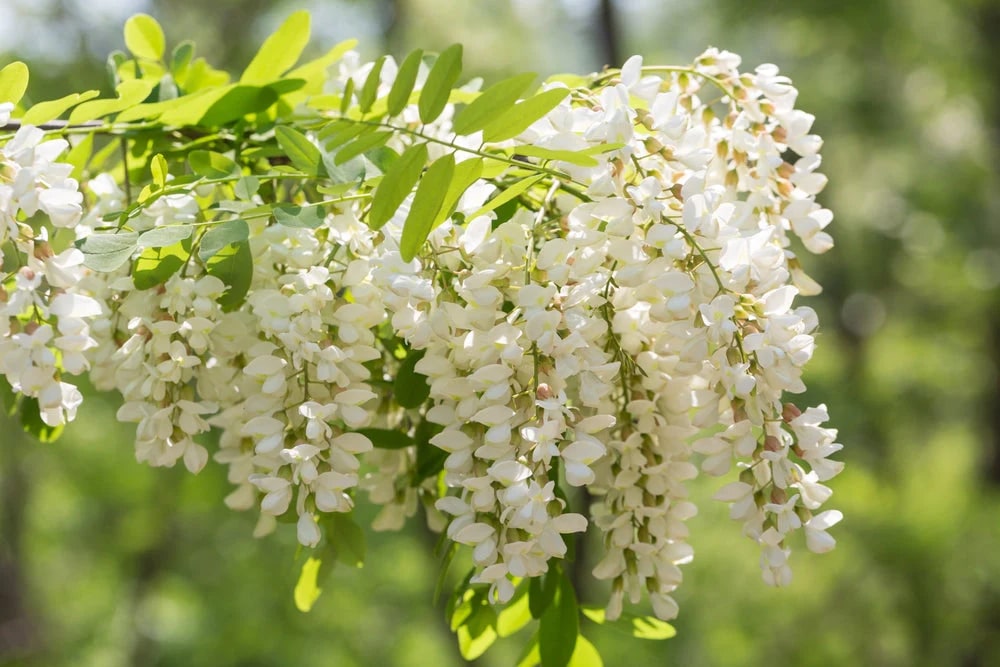
The Japanese Pagoda Tree, Styphnolobium japonicum, is renowned for its rich content of flavonoids, particularly rutin and quercetin, which are pivotal in its medicinal applications. This tree stands at the intersection of Traditional Chinese Medicine, where it has been used for centuries to manage bleeding disorders and support vascular health, and contemporary pharmacological research that explores its antioxidant and anti-inflammatory properties. The primary active compounds are studied for their ability to modulate key cellular pathways, including those involved in oxidative stress and inflammation, making it a subject of interest for cardiovascular and metabolic health. Its traditional uses are being validated and expanded upon by modern science, though bioavailability challenges remain.
What it helps with
Vascular health & capillary fragility
Rutin, a major flavonoid in Styphnolobium japonicum, strengthens capillary walls by inhibiting the enzyme hyaluronidase, which degrades the extracellular matrix. It also suppresses vascular endothelial growth factor (VEGF) signaling, reducing capillary permeability. Human studies support its use in conditions like chronic venous insufficiency, with improved symptoms and reduced edema.
Inflammation & oxidative stress
Quercetin, another key flavonoid, inhibits NF-kB and MAPK pathways, reducing the expression of pro-inflammatory cytokines such as TNF-a and IL-6. It also activates the Nrf2 pathway, enhancing the cellular antioxidant response. Evidence from in vitro and animal studies suggests potential benefits in inflammatory diseases and oxidative stress-related conditions.
Metabolic syndrome & diabetes
Rutin has been shown to improve insulin sensitivity by activating AMPK, which enhances glucose uptake and fatty acid oxidation. It also reduces oxidative stress in pancreatic beta cells, potentially preserving insulin secretion. Animal studies indicate a reduction in blood glucose levels and improved lipid profiles.
Neuroprotection
Quercetin crosses the blood-brain barrier and exerts neuroprotective effects by reducing neuroinflammation and oxidative stress. It modulates pathways such as PI3K/Akt and ERK, which are involved in neuronal survival. Although human trials are limited, preclinical studies suggest its potential in neurodegenerative diseases like Alzheimer's.
Liver health
Rutin supports liver function by modulating oxidative stress and inflammation. It upregulates antioxidant enzymes such as superoxide dismutase (SOD) and catalase, protecting hepatocytes from damage. Animal models show hepatoprotective effects in conditions like non-alcoholic fatty liver disease (NAFLD).
Allergy & immune modulation
Quercetin stabilizes mast cells and inhibits histamine release, reducing allergic responses. It also modulates immune cell activity, including T-helper cells, through its effects on NF-kB and STAT signaling. These actions are supported by in vitro studies and some small-scale human trials.
Cancer adjunct research
Both rutin and quercetin exhibit anti-cancer properties by inducing apoptosis and inhibiting angiogenesis in tumor cells. They modulate pathways such as p53 and caspases, crucial for cell cycle regulation. While promising, current evidence is primarily preclinical, and further research is needed to clarify their roles in cancer therapy.
Key active compounds
Rutin
A glycoside of quercetin, rutin is a flavonoid that strengthens blood vessels and reduces capillary fragility. It inhibits hyaluronidase and VEGF, contributing to its vascular protective effects. Its bioavailability is moderate, and it is often used in combination with other compounds to enhance efficacy.
Quercetin
A flavonoid with potent antioxidant and anti-inflammatory properties. It inhibits NF-kB and MAPK pathways, modulating cytokine production and reducing oxidative stress. Quercetin's bioavailability is limited, leading to the development of various formulations to improve absorption.
Sophoricoside
An isoflavone glycoside that exhibits anti-inflammatory and anti-obesity effects by modulating lipid metabolism and inflammatory pathways. It is studied for its potential in metabolic disorders.
Genistein
An isoflavone that acts as a phytoestrogen, modulating estrogen receptors and exerting antioxidant effects. It is involved in bone health and cancer research, particularly in hormone-dependent cancers.
Kaempferol
A flavonoid with antioxidant properties that modulates signaling pathways such as PI3K/Akt and Nrf2. It has been studied for its potential in cardiovascular and neuroprotective applications.
Isoquercitrin
A quercetin glycoside with enhanced bioavailability compared to quercetin. It retains the antioxidant and anti-inflammatory properties of quercetin, making it a valuable component in formulations.
Sophorabioside
A lesser-known flavonoid glycoside with potential anti-inflammatory and antioxidant effects. Its specific mechanisms are less studied, but it contributes to the overall activity of the plant.
What the research says
Research on Styphnolobium japonicum primarily focuses on its flavonoid content, with rutin and quercetin being the most extensively studied. Human trials have demonstrated benefits in vascular health, particularly in reducing symptoms of chronic venous insufficiency and improving capillary stability. Preclinical studies highlight its potential in metabolic syndrome and neuroprotection, with promising results in animal models for diabetes and neurodegenerative diseases. The main limitation is the bioavailability of its active compounds, particularly quercetin. Efforts to improve absorption include the development of nanoparticle formulations and co-administration with absorption enhancers, which are being explored in ongoing studies.
Typical dosage
For tea or infusion, use 1-2 teaspoons of dried flowers per cup of boiling water, steep for 10-15 minutes, and consume up to twice daily. For tinctures, a typical dosage is 20-30 drops in water or juice, taken 2-3 times daily. Capsules and powders should be taken according to the manufacturer's instructions, usually ranging from 500-1000 mg per day. Topical applications should be used as needed, but always test a small area first for allergic reactions.
About Japanese Pagoda Tree
Traditional Use
Preparations & Dosage
Preparations
- Tea / Infusion: Use 1-2 teaspoons of dried Styphnolobium japonicum flowers per cup of boiling water. Steep for 10-15 minutes, then strain and serve. Optionally, add honey or lemon to taste.
- Tincture: Use a tincture made from the flowers or seeds. Take 20-30 drops in a small amount of water or juice, 2-3 times daily.
- Capsule: Take standardized capsules according to the manufacturer's instructions, typically 500-1000 mg per day.
Interactions & Warnings
Use with caution
Styphnolobium japonicum should be used with caution due to potential interactions with blood-thinning medications. Pregnant or breastfeeding women, and individuals with known allergies to plants in the Fabaceae family, should avoid using this plant. Always consult with a healthcare provider before starting any new herbal treatment.
Herb Interactions
Both herbs have blood-thinning properties, which can increase the risk of bleeding when combined.
Community Plants
Real plants of this species grown and shared by the MyFloralVault community.
More in Cardiovascular & Blood



Was this helpful?
0 · 0
Care Guide Available
Learn how to grow and care for Japanese Pagoda Tree at home