Japanese Honeysuckle
Lonicera Japonica

Medicinal Facts
Lonicera japonica, commonly known as Japanese Honeysuckle, is renowned for its rich concentration of chlorogenic acid, luteolin, and lonicerin. This plant sits at the intersection of Traditional Chinese Medicine, where it is used for its heat-clearing and detoxifying properties, and modern pharmacological research, which explores its anti-inflammatory and antiviral potential. The plant's broad spectrum of bioactive compounds makes it a subject of interest in both immune modulation and metabolic health studies.
What it helps with
Inflammation & immune modulation
Chlorogenic acid and luteolin in Lonicera japonica inhibit the NF-kB signaling pathway, reducing the expression of pro-inflammatory cytokines such as TNF-a and IL-6. This action has been validated in both animal models and in vitro studies, supporting its traditional use in inflammatory conditions.
Viral infections
Lonicera japonica's antiviral activity is attributed to its ability to inhibit viral replication. Chlorogenic acid interferes with viral RNA synthesis, while luteolin disrupts viral entry by binding to viral surface proteins. These mechanisms have been demonstrated in vitro against influenza and other viruses.
Respiratory health
Traditionally used for respiratory conditions, Lonicera japonica may alleviate symptoms through its anti-inflammatory effects on the respiratory epithelium. Luteolin modulates the MAPK pathway, reducing inflammation and mucus production, as shown in animal studies.
Metabolic syndrome
Chlorogenic acid in Lonicera japonica activates AMPK, enhancing glucose uptake and fatty acid oxidation. This mechanism is supported by animal studies showing improved insulin sensitivity and lipid profiles, suggesting potential benefits for metabolic syndrome management.
Antioxidant support
The plant's high chlorogenic acid content contributes to its antioxidant capacity by scavenging free radicals and upregulating Nrf2, which enhances the expression of antioxidant enzymes like superoxide dismutase. This has been observed in vitro and in animal models.
Skin health & wound healing
Lonicera japonica promotes wound healing through its antimicrobial and anti-inflammatory properties. Luteolin enhances collagen synthesis and modulates TGF-beta signaling, which accelerates tissue repair, as demonstrated in preclinical studies.
Neuroprotection
Luteolin and chlorogenic acid cross the blood-brain barrier and exhibit neuroprotective effects by inhibiting neuroinflammation and oxidative stress. They modulate pathways such as NF-kB and Nrf2, which are implicated in neurodegenerative diseases, although human evidence is still emerging.
Key active compounds
Chlorogenic acid
A polyphenolic compound that inhibits NF-kB and activates AMPK, contributing to anti-inflammatory and metabolic effects. It is well-absorbed and enhances the plant's overall bioactivity.
Luteolin
A flavonoid known for its anti-inflammatory and antiviral properties. It modulates MAPK and NF-kB pathways and enhances antioxidant defenses via Nrf2 activation.
Lonicerin
A flavonoid glycoside with potential anti-inflammatory and antiviral effects, contributing to the plant's traditional uses in respiratory and immune health.
Saponins
These compounds exhibit immunomodulatory and antimicrobial properties, enhancing the plant's efficacy in traditional detoxifying protocols.
Triterpenoids
Compounds that contribute to the plant's anti-inflammatory and hepatoprotective effects, acting through modulation of cytokine production.
Essential oils
Volatile compounds that provide antimicrobial and anti-inflammatory properties, often used in aromatherapy and topical applications.
What the research says
Research on Lonicera japonica is robust in preclinical settings, particularly regarding its anti-inflammatory and antiviral properties. Chlorogenic acid and luteolin are the most studied compounds, with strong in vitro and animal evidence supporting their roles in immune modulation and metabolic health. Human trials are limited but suggest potential benefits in inflammatory and viral conditions. The main limitation is the variability in bioactive compound concentration across different preparations, which is addressed by standardizing extracts based on chlorogenic acid content.
Typical dosage
For tea or infusion, steep 1-2 teaspoons of dried flowers in hot water for 10-15 minutes, up to three times daily. For tinctures, use 2-4 ml up to three times a day. Decoctions are made by simmering the plant parts for 20-30 minutes, with a dosage of 1 cup up to twice daily. Poultices can be applied directly to the skin for infections or wounds. Capsules should follow the manufacturer's instructions, typically 500 mg up to twice daily.
About Japanese Honeysuckle
Traditional Use
Preparations & Dosage
Preparations
- Tea / Infusion: Use 1-2 teaspoons of dried Lonicera japonica flowers. Pour boiling water over the flowers and steep for 10-15 minutes. Strain and drink warm. Honey or lemon can be added for taste.
- Tincture: Use a standard 1:5 ratio of dried plant material to alcohol. Let it sit for 4-6 weeks, shaking occasionally. Strain and store in a dark bottle.
- Decoction: Simmer 1 tablespoon of dried plant material in 2 cups of water for 20-30 minutes. Strain and drink warm.
- Poultice: Crush fresh or dried Lonicera japonica leaves and flowers. Apply directly to the affected skin area and cover with a clean cloth.
Interactions & Warnings
Use with caution
Lonicera japonica should be used with caution as it can be invasive in certain regions. Pregnant and breastfeeding women should avoid using it due to insufficient safety data. It may interact with certain medications, especially those affecting the immune system.
Herb Interactions
May enhance immune-boosting effects, potentially leading to overstimulation of the immune system.
Community Plants
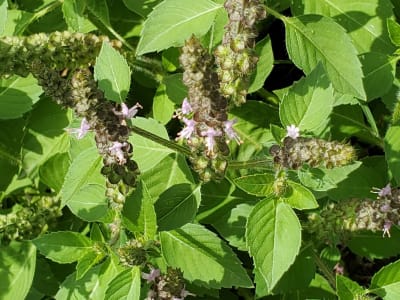
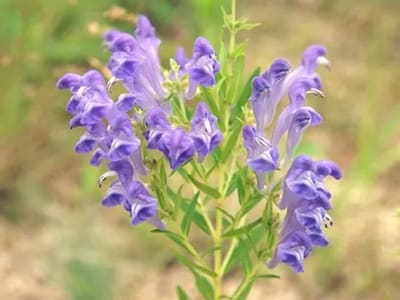
Real plants of this species grown and shared by the MyFloralVault community.

More in Immune Support





Was this helpful?
0 · 0
Care Guide Available
Learn how to grow and care for Japanese Honeysuckle at home