Herb Robert
Geranium Robertianum

Medicinal Facts
Geranium robertianum, commonly known as Herb Robert, is rich in tannins, flavonoids, and essential oils, with geraniin being a notable active compound. It stands at the intersection of traditional European herbalism, where it is valued for wound healing and gastrointestinal support, and modern phytochemical research, which explores its antioxidant and antimicrobial properties. The herb's multifaceted applications are rooted in its ability to modulate inflammatory pathways and protect cellular integrity. Its traditional uses are increasingly supported by studies into its molecular mechanisms, particularly in relation to oxidative stress and immune modulation.
What it helps with
Wound healing
Geraniin, a major tannin in Herb Robert, enhances wound healing by promoting collagen synthesis and modulating TGF-beta signaling. Its astringent properties help to contract tissues and reduce bleeding, while its antimicrobial action protects against infection. Traditional use is supported by in vitro studies demonstrating enhanced fibroblast activity and reduced microbial load.
Gastrointestinal health
The tannins in Herb Robert, including geraniin, bind to proteins in the gut lining, forming a protective layer that reduces inflammation and irritation. This action is complemented by flavonoids that inhibit COX-2, reducing prostaglandin synthesis and easing symptoms of gastritis and diarrhea. Evidence is primarily from traditional use and animal models.
Antimicrobial effects
Geraniin and other phenolic compounds in Herb Robert exhibit antimicrobial activity by disrupting bacterial cell walls and inhibiting enzyme systems critical for microbial metabolism. This is particularly noted against Gram-positive bacteria and Candida species, with in vitro studies confirming broad-spectrum efficacy.
Anti-inflammatory action
Flavonoids such as quercetin and kaempferol in Herb Robert modulate inflammatory pathways by inhibiting NF-kB and reducing cytokine production, including TNF-a and IL-6. This action reduces systemic inflammation, with evidence from both traditional use and preliminary in vitro studies.
Antioxidant support
Geraniin acts as a potent antioxidant by scavenging free radicals and upregulating endogenous antioxidant enzymes like superoxide dismutase (SOD) and catalase. This reduces oxidative stress and protects cellular components from damage, with evidence from in vitro assays and animal studies.
Immune modulation
Herb Robert's polysaccharides enhance immune function by stimulating macrophage activity and modulating cytokine release. This immunomodulatory effect supports the body's natural defenses, with traditional use corroborated by in vitro evidence showing increased phagocytic activity.
Cancer-adjunct research
Preliminary studies suggest that geraniin may induce apoptosis in cancer cells by modulating the p53 pathway and inhibiting angiogenesis through VEGF suppression. While evidence is largely preclinical, these findings highlight potential adjunctive benefits in cancer care.
Key active compounds
Geraniin
A hydrolysable tannin with strong antioxidant and antimicrobial properties. It binds to proteins and forms complexes that protect tissues and disrupt microbial integrity.
Quercetin
A flavonoid that inhibits NF-kB and COX-2, providing anti-inflammatory effects. It also acts as a free radical scavenger, reducing oxidative stress.
Kaempferol
A flavonoid with anti-inflammatory and antioxidant properties. It modulates signaling pathways including NF-kB and promotes cellular health.
Essential oils (including geraniol)
These oils possess antimicrobial and anti-inflammatory properties. Geraniol, in particular, disrupts microbial membranes and reduces inflammation.
Polysaccharides
Complex carbohydrates that enhance immune function by activating macrophages and modulating cytokine profiles.
Ellagic acid
A phenolic compound with antioxidant properties that protect DNA and cellular structures from oxidative damage.
What the research says
Research on Geranium robertianum focuses on its antioxidant, anti-inflammatory, and antimicrobial properties. Geraniin and flavonoids like quercetin show strong antioxidant activity in vitro, with studies highlighting their role in reducing oxidative stress and inflammation. Animal studies support its traditional use for gastrointestinal and immune health, though human trials are limited. The main limitation is the variability in active compound concentrations due to environmental factors, which is addressed by standardizing extracts to specific marker compounds like geraniin.
Typical dosage
For tea or infusion, steep 1-2 teaspoons of dried Herb Robert in a cup of boiling water for 10-15 minutes, and consume up to three times daily. For tinctures, a typical dosage is 1-2 ml taken up to three times a day. When using as a poultice, apply the crushed fresh leaves directly to the affected area. Capsules and powders should be taken as directed on the product label, usually not exceeding 500 mg per dose.
About Herb Robert
Traditional Use
Preparations & Dosage
Preparations
- Tea / Infusion: Use 1-2 teaspoons of dried Herb Robert leaves per cup of boiling water. Steep for 10-15 minutes, then strain. Serve warm and consume up to three times daily.
- Tincture: Combine fresh or dried Herb Robert with alcohol (vodka or brandy) in a 1:5 ratio. Seal in a jar and store in a cool, dark place for 4-6 weeks, shaking occasionally. Strain and store in a dark bottle.
- Poultice: Crush fresh Herb Robert leaves into a paste and apply directly to the skin. Cover with a clean cloth or bandage. Change every few hours or as needed.
Interactions & Warnings
Use with caution
Herb Robert is generally safe for most people when used in moderation. However, it should be avoided by pregnant or breastfeeding women due to insufficient safety data. Those with allergies to plants in the Geraniaceae family should also exercise caution.
Herb Interactions
May enhance photosensitivity when combined, increasing the risk of sunburn.
Community Plants
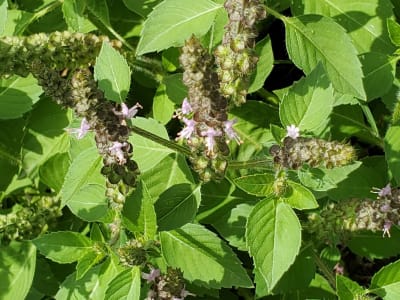
Real plants of this species grown and shared by the MyFloralVault community.

More in Immune Support



Was this helpful?
0 · 0
Care Guide Available
Learn how to grow and care for Herb Robert at home