Green Tuft Algae
Cladophora Rupestris
Medicinal Facts
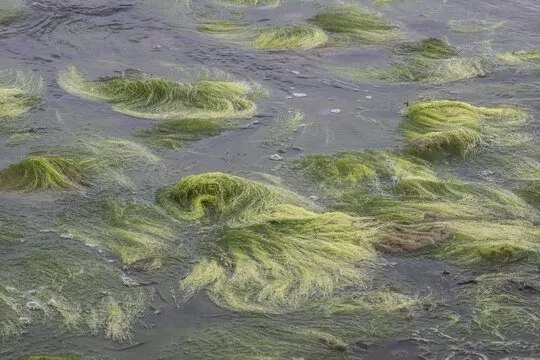
Cladophora rupestris, commonly known as Green Tuft Algae, is a marine algae rich in sulfated polysaccharides and polyphenolic compounds. It sits at the intersection of traditional marine-based remedies for skin and inflammation and modern research into its antioxidant and antimicrobial potentials. Its unique composition allows it to modulate immune responses and protect against oxidative stress, with emerging studies exploring its role in bioactive compound extraction for health applications.
What it helps with
Antioxidant support
The polyphenolic compounds in Cladophora rupestris, such as catechins and flavonoids, exert antioxidant effects by scavenging free radicals and upregulating Nrf2 pathways. This action enhances the cellular defense system, reducing oxidative damage and supporting overall cellular health. Evidence is primarily from in vitro studies, highlighting its potential in oxidative stress-related conditions.
Anti-inflammatory effects
Sulfated polysaccharides in Cladophora rupestris inhibit the NF-kB signaling pathway, reducing the expression of pro-inflammatory cytokines like TNF-a and IL-6. This mechanism suggests its potential use in managing chronic inflammatory conditions, with preclinical studies providing foundational support.
Antimicrobial activity
Cladophora rupestris exhibits antimicrobial properties through its bioactive compounds, which disrupt microbial cell walls and inhibit bacterial enzymes. Studies show effectiveness against a range of pathogens, including Staphylococcus aureus, with evidence from both in vitro and animal models.
Skin health & wound healing
The algae's sulfated polysaccharides promote collagen synthesis and modulate TGF-beta signaling, aiding in skin repair and wound healing. Traditional uses align with these findings, though clinical trials are limited, emphasizing its potential in topical formulations.
Immune modulation
Compounds in Cladophora rupestris modulate immune responses by enhancing macrophage activity and cytokine production. This immunomodulatory effect is supported by in vitro studies, suggesting benefits in immune health and resilience.
Metabolic regulation
Research suggests that the algae's bioactive compounds can influence metabolic pathways, including AMPK activation, which may help regulate lipid metabolism and glucose homeostasis. Evidence is largely preclinical, indicating potential for managing metabolic disorders.
Cancer-adjunct research
Preliminary studies indicate that Cladophora rupestris may influence apoptosis and cell cycle regulation in cancer cells through pathways such as p53 and caspase activation. While promising, these findings are primarily from in vitro research and require further exploration in clinical settings.
Key active compounds
Sulfated polysaccharides
These compounds exhibit anti-inflammatory and immune-modulating properties by inhibiting NF-kB and enhancing macrophage activity. They are key to the algae's therapeutic potential, particularly in inflammation and immune health.
Catechins
As a type of polyphenol, catechins in Cladophora rupestris contribute to its antioxidant capacity by scavenging free radicals and modulating Nrf2 pathways. They are crucial for reducing oxidative stress.
Flavonoids
These compounds enhance the algae's antioxidant profile and may exert protective effects on cellular structures by modulating signaling pathways like Nrf2. They also contribute to the algae's potential anti-inflammatory effects.
Phenolic acids
Known for their antioxidant properties, phenolic acids in Cladophora rupestris help neutralize free radicals and protect against oxidative damage. They play a significant role in the algae's overall bioactivity.
Phlorotannins
These are unique polyphenolic compounds found in marine algae, contributing to Cladophora rupestris's antioxidant and antimicrobial activities. They are involved in modulating cellular oxidative stress responses.
Fatty acids
Essential fatty acids in Cladophora rupestris may support anti-inflammatory processes by influencing eicosanoid pathways. They also contribute to the algae's role in skin health and metabolic regulation.
Sterols
These compounds contribute to the algae's potential cholesterol-lowering effects by modulating lipid metabolism pathways. They may also play a role in maintaining cellular membrane integrity.
What the research says
Research on Cladophora rupestris primarily focuses on its antioxidant and antimicrobial properties, with strong in vitro evidence supporting its potential in these areas. The sulfated polysaccharides and polyphenolic compounds are central to its bioactivity, showing promise in modulating inflammation and immune responses. While preclinical studies highlight its therapeutic potential, the main limitation is the lack of human clinical trials. To address this, ongoing research is exploring enhanced extraction methods and formulation strategies to improve bioavailability and efficacy in human applications.
Typical dosage
For topical applications, Cladophora rupestris can be used as a poultice by cleaning and applying the algae directly to the skin. Ensure the algae is thoroughly rinsed to remove any contaminants. For infusions, use dried algae and steep in hot water for 10-15 minutes, but this is not recommended for internal consumption without professional guidance.
About Green Tuft Algae
Traditional Use
Preparations & Dosage
Preparations
- Poultice: Clean the algae thoroughly to remove any debris or contaminants. Crush or mash the algae to form a paste, and apply directly to the wound. Cover with a clean cloth or bandage.
- Infusion: Use dried Cladophora rupestris. Steep a small amount in hot water for 10-15 minutes. Strain and use the infusion for topical applications.
Interactions & Warnings
Use with caution
Cladophora rupestris should be used with caution due to potential contamination from marine pollutants. It is not recommended for internal use without proper purification. Individuals with allergies to algae should avoid contact.
Community Plants
Real plants of this species grown and shared by the MyFloralVault community.
More in General




Was this helpful?
0 · 0