Green Chiretta
Andrographis Paniculata

Medicinal Facts
Andrographis paniculata, known for its potent diterpenoid lactones, primarily andrographolide, stands at the intersection of Ayurvedic and Traditional Chinese Medicine and modern immunomodulatory and anti-inflammatory research. This herb is traditionally used for its bitter properties to combat infections and fever, while contemporary studies focus on its role in modulating immune responses and reducing inflammation. Andrographolide's ability to inhibit the NF-kB pathway and modulate cytokine production highlights its potential in managing inflammatory conditions. However, its poor water solubility and bioavailability present challenges that are being addressed through novel delivery systems.
What it helps with
Upper respiratory tract infections
Andrographolide modulates the immune response by inhibiting the NF-kB pathway, reducing pro-inflammatory cytokines such as IL-6 and TNF-a. Human trials suggest it can shorten the duration and severity of symptoms in acute respiratory infections, likely due to its ability to enhance macrophage activity and inhibit viral replication.
Inflammatory bowel disease
Andrographolide exerts anti-inflammatory effects by inhibiting the JAK-STAT signaling pathway and reducing levels of inflammatory cytokines. Animal studies show a reduction in colonic inflammation and tissue damage, indicating potential as an adjunctive therapy for conditions like ulcerative colitis.
Rheumatoid arthritis
Andrographolide inhibits the expression of COX-2 and iNOS, reducing the production of inflammatory mediators. Clinical trials have demonstrated improvements in joint pain and swelling, attributed to its suppression of inflammatory pathways and oxidative stress.
Liver protection
Andrographolide activates the Nrf2 pathway, enhancing the expression of antioxidant enzymes such as glutathione peroxidase and superoxide dismutase. This mechanism supports hepatocyte protection against oxidative stress and toxin-induced liver damage, with evidence from both animal models and traditional use.
Fever and infection
Traditionally used as a febrifuge, andrographolide's antipyretic effects are linked to its inhibition of prostaglandin synthesis via COX-2 inhibition. This action, coupled with its antimicrobial properties, supports its use in managing febrile conditions and infections.
Cancer-adjunct research
Andrographolide induces apoptosis and inhibits angiogenesis by modulating pathways such as STAT3 and NF-kB. Preclinical studies demonstrate its potential in reducing tumor growth and metastasis, though human evidence is limited and primarily supportive.
Metabolic syndrome
Andrographolide activates AMPK, enhancing insulin sensitivity and reducing hepatic lipogenesis. Animal studies indicate improvements in lipid profiles and glucose metabolism, suggesting a role in managing metabolic syndrome, though human trials are needed to confirm efficacy.
Key active compounds
Andrographolide
A diterpenoid lactone that inhibits NF-kB and STAT3, reduces cytokine production, and induces apoptosis. It has low bioavailability, which is a focus of formulation improvements.
Neoandrographolide
Another diterpenoid with similar anti-inflammatory properties to andrographolide, contributing to the herb's overall therapeutic effects.
14-Deoxyandrographolide
Exhibits anti-inflammatory and hepatoprotective activities, enhancing the herb's efficacy in liver-related applications.
Andrograpanin
A minor compound that supports antimicrobial activity and may synergize with andrographolide in immune modulation.
Flavonoids
These compounds contribute to the antioxidant activity of Andrographis, supporting its use in oxidative stress-related conditions.
Diterpene lactones
A class of compounds including andrographolide, responsible for the plant's bitter taste and many of its pharmacological actions.
What the research says
Research on Andrographis paniculata is centered around its immunomodulatory and anti-inflammatory properties. Andrographolide is the most studied compound, with human trials supporting its use in respiratory infections and rheumatoid arthritis. Preclinical studies also highlight its potential in cancer and metabolic syndrome, though these areas lack robust human data. The primary limitation is its poor bioavailability, which researchers are addressing through the development of liposomal and nanoparticle delivery systems to enhance absorption and efficacy.
Typical dosage
For tea or infusion, use 1-2 grams of dried Andrographis leaves per cup of boiling water, steep for 10-15 minutes, and consume up to three times daily. Tinctures can be taken at a dosage of 2-4 mL up to three times a day. Capsules or tablets typically contain 400-600 mg of standardized extract, taken twice daily. For powders, a common dose is 500 mg to 1 gram, taken once or twice daily. Always consult with a healthcare provider before starting any new supplement regimen.
About Green Chiretta
Traditional Use
Preparations & Dosage
Preparations
- Tea / Infusion: Use 1-2 grams of dried Andrographis leaves per cup of boiling water. Steep for 10-15 minutes, strain, and drink warm. Add honey or lemon to improve taste if desired.
- Tincture: Use a dropper to measure 2-4 mL of Andrographis tincture. Mix with a small amount of water or juice and consume up to three times daily.
- Capsule: Take 400-600 mg of standardized Andrographis extract in capsule form, twice daily with meals.
- Powder: Mix 500 mg to 1 gram of Andrographis powder with water, juice, or a smoothie. Consume once or twice daily.
Interactions & Warnings
Use with caution
Andrographis Paniculata should be used with caution as it can cause side effects such as gastrointestinal upset and allergic reactions in some individuals. Pregnant or breastfeeding women should avoid it, and it may interact with certain medications, including immunosuppressants and anticoagulants.
Herb Interactions
Both herbs can stimulate the immune system, potentially leading to overstimulation if used together excessively.
May enhance anti-inflammatory effects, but generally considered safe when used together.
Community Plants
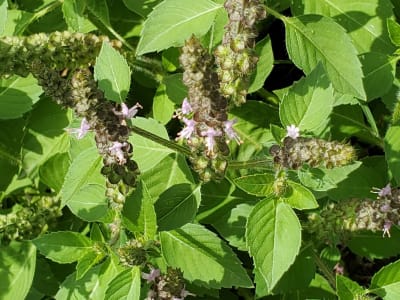
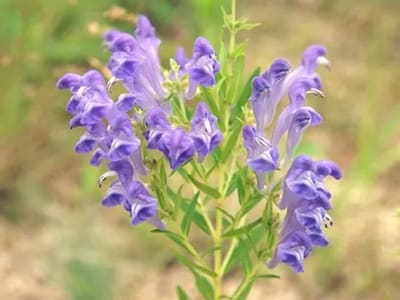
Real plants of this species grown and shared by the MyFloralVault community.

More in Immune Support





Was this helpful?
0 · 0
Care guides for related plants
Care Guide Available
Learn how to grow and care for Green Chiretta at home