Gac
Momordica Cochinchinensis
Medicinal Facts
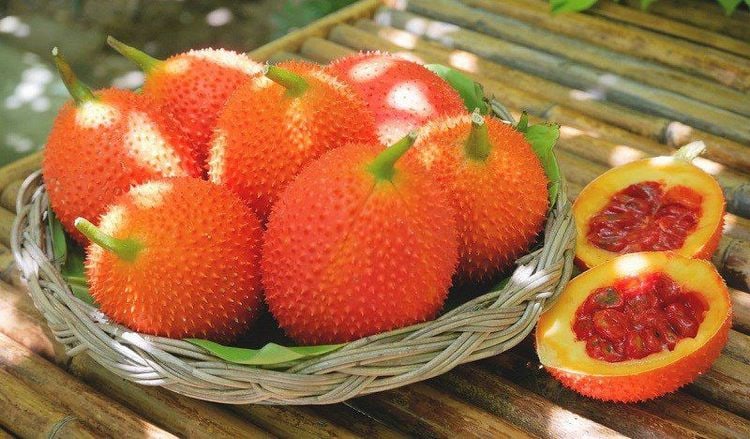
Momordica cochinchinensis, commonly known as Gac, is renowned for its high levels of carotenoids, particularly lycopene and beta-carotene, which are pivotal in its medicinal applications. It stands at the intersection of traditional Southeast Asian practices, where it is used for eye and skin health, and modern nutritional science that investigates its antioxidant and anti-inflammatory potential. The fruit's unique oil matrix enhances the bioavailability of these carotenoids, making it a subject of interest in nutritional supplementation and functional food development.
What it helps with
Eye health & vision
Gac fruit is exceptionally high in beta-carotene, a precursor to vitamin A, which is crucial for maintaining healthy vision. Beta-carotene is converted into retinol in the body, supporting the function of rhodopsin in the retina. This mechanism is well-supported by traditional use and modern nutritional studies, although direct clinical trials on Gac itself are limited.
Skin health & anti-aging
The lycopene in Gac acts as a potent antioxidant, scavenging free radicals and protecting the skin from oxidative stress. Lycopene's ability to inhibit matrix metalloproteinases (MMPs) helps maintain skin elasticity and reduce signs of aging. Evidence is primarily from in vitro studies and extrapolated from other lycopene-rich sources, highlighting its potential in dermatological applications.
Cardiovascular health
Lycopene in Gac is thought to improve cardiovascular health by modulating lipid profiles and reducing oxidative stress in the vascular system. It inhibits LDL oxidation and may enhance endothelial function through nitric oxide-mediated pathways. Human studies on lycopene suggest cardiovascular benefits, though specific trials on Gac remain sparse.
Immune support
Beta-carotene and lycopene in Gac contribute to immune function through their antioxidant properties, reducing oxidative damage to immune cells. Beta-carotene is also known to enhance the function of the thymus gland and increase lymphocyte proliferation. This is supported by traditional use in immune-boosting protocols, although direct evidence from Gac-specific studies is limited.
Inflammation modulation
Gac's carotenoids, particularly lycopene, may modulate inflammatory pathways by inhibiting NF-kB activation, which reduces the production of pro-inflammatory cytokines like TNF-a and IL-6. Evidence from other lycopene-rich foods supports this mechanism, with Gac being a promising candidate for further research.
Prostate health
Lycopene is well-documented for its role in supporting prostate health, potentially reducing the risk of benign prostatic hyperplasia (BPH) and prostate cancer. It is thought to exert effects by modulating IGF-1 signaling and reducing oxidative stress. While specific studies on Gac are lacking, the high lycopene content suggests similar benefits.
Longevity & cellular aging
The antioxidant properties of lycopene and beta-carotene in Gac may support longevity by reducing oxidative damage at the cellular level. These compounds can influence pathways like Nrf2, enhancing the body's antioxidant defenses and promoting cellular repair mechanisms. Research is primarily preclinical, with promising implications for aging-related health.
Key active compounds
Lycopene
A carotenoid with strong antioxidant properties, lycopene scavenges free radicals and modulates oxidative stress-related pathways. It is well-absorbed due to Gac's unique lipid matrix, enhancing its bioavailability compared to other sources.
Beta-carotene
A precursor to vitamin A, beta-carotene supports vision and immune function. It is converted into retinol in the body, influencing processes such as cell differentiation and immune response.
Zeaxanthin
Another carotenoid present in Gac, zeaxanthin is crucial for eye health, particularly in protecting the macula from blue light-induced oxidative damage. It complements the action of beta-carotene in vision support.
Alpha-tocopherol
A form of vitamin E, alpha-tocopherol acts as a lipid-soluble antioxidant, protecting cell membranes from oxidative damage. It works synergistically with carotenoids to enhance overall antioxidant capacity.
Linoleic acid
An essential fatty acid found in Gac seed oil, linoleic acid supports skin health and acts as a precursor to signaling molecules involved in inflammatory response modulation.
Palmitic acid
A saturated fatty acid that, while abundant, plays a role in the structural integrity of cell membranes and energy storage. Its presence in Gac oil aids in the absorption of fat-soluble vitamins.
What the research says
Research on Gac primarily focuses on its carotenoid content, particularly lycopene and beta-carotene, which have strong evidence from nutritional studies for their antioxidant and health-promoting effects. Human trials are more prevalent for lycopene in general, with cardiovascular and prostate health being key areas of study. The main limitation in Gac research is the lack of specific clinical trials, which is mitigated by its high carotenoid content and enhanced bioavailability due to the fruit's natural oil matrix. This unique composition suggests potential for broader applications in functional foods and supplements, warranting further investigation.
Typical dosage
For juice, consume 100-200 ml per day. For oil, use 1-2 teaspoons daily, either consumed directly or added to food. Capsules typically contain 500 mg of Gac extract; take 1-2 capsules daily with meals. Powdered Gac can be added to smoothies or food, with a recommended dose of 1-2 teaspoons per day. Always follow specific product instructions.
About Gac
Traditional Use
Preparations & Dosage
Preparations
- Juice: To prepare Gac juice, cut the fruit open and scoop out the red arils. Blend the arils with water or other fruit juices for flavor. Strain the mixture to remove any pulp, and serve chilled.
- Oil: Extract Gac oil by pressing the seeds and arils. Use the oil as a dietary supplement or apply it topically for skin benefits.
- Capsule: Gac extract is encapsulated for easy consumption. Follow the manufacturer's instructions for dosage.
Interactions & Warnings
Use with caution
Gac is generally considered safe for most people when consumed in typical food amounts. However, individuals with allergies to plants in the Cucurbitaceae family should exercise caution. Pregnant or breastfeeding women should consult a healthcare provider before use.
Herb Interactions
Both have antioxidant properties, which may enhance each other's effects when consumed together.
Community Plants
Real plants of this species grown and shared by the MyFloralVault community.

More in Metabolic Health




Was this helpful?
0 · 0
Care guides for related plants
Care Guide Available
Learn how to grow and care for Gac at home