Darwin's Slipper
Calceolaria Uniflora

Medicinal Facts
Calceolaria uniflora, commonly known as Darwin's Slipper, is a unique plant native to the southern regions of South America. While not extensively studied in modern pharmacology, it holds a place in traditional Patagonian herbal practices for its purported anti-inflammatory and wound-healing properties. Its active compounds, primarily flavonoids and phenolic acids, position it at the intersection of ethnobotanical knowledge and emerging interest in plant-derived antioxidants. The plant's vibrant flowers contain bioactive compounds that may offer insights into novel therapeutic pathways, although scientific exploration is still in nascent stages.
What it helps with
Anti-inflammatory support
Flavonoids present in Calceolaria uniflora are believed to inhibit the cyclooxygenase (COX) enzymes, particularly COX-2, which leads to a reduction in pro-inflammatory prostaglandins. This mechanism is similar to that of non-steroidal anti-inflammatory drugs (NSAIDs), though evidence is primarily anecdotal and rooted in traditional use.
Wound healing
Phenolic acids in the plant may enhance wound healing by modulating the NF-kB pathway, reducing inflammation, and promoting collagen synthesis. This traditional use aligns with the plant's application in minor cuts and abrasions, although clinical evidence is lacking.
Antioxidant activity
The flavonoids and phenolic compounds in Calceolaria uniflora scavenge free radicals and upregulate the Nrf2 pathway, which increases the expression of endogenous antioxidant enzymes like superoxide dismutase (SOD) and catalase. This mechanism is primarily supported by in vitro studies.
Skin health
Traditionally, the plant is used for skin conditions due to its anti-inflammatory and antioxidant properties. The modulation of NF-kB and COX-2 pathways by its flavonoids suggests potential benefits for inflammatory skin conditions, though empirical evidence is sparse.
Digestive health
Calceolaria uniflora may support digestive health through its phenolic acids, which can modulate gut microbiota and reduce intestinal inflammation via inhibition of NF-kB signaling. This use is largely traditional, with limited scientific validation.
Immune modulation
The plant's flavonoids may exert immunomodulatory effects by influencing cytokine production and NF-kB activity, potentially enhancing immune response. This is based on traditional practices, with scientific evidence still developing.
Antimicrobial properties
Compounds in Calceolaria uniflora, particularly phenolic acids, may disrupt microbial cell walls and inhibit bacterial growth. This traditional use is supported by preliminary in vitro studies, though comprehensive clinical trials are needed.
Key active compounds
Flavonoids
These polyphenolic compounds are known for their antioxidant and anti-inflammatory properties. They inhibit COX enzymes and modulate NF-kB signaling, contributing to the plant's traditional uses.
Phenolic acids
They play a role in antioxidant defense by scavenging free radicals and enhancing the Nrf2 pathway, which increases the production of protective enzymes like SOD and catalase.
Tannins
These compounds have astringent properties and may contribute to the plant's wound-healing effects by promoting coagulation and reducing inflammation.
Saponins
Known for their ability to enhance immune function and exhibit antimicrobial activity by disrupting microbial membranes.
Terpenoids
These compounds may provide anti-inflammatory and antimicrobial effects, although their specific mechanisms in Calceolaria uniflora are not well-documented.
Alkaloids
Potentially contribute to the plant's bioactivity by interacting with various receptors and enzymes, although specific targets in this plant are not well-researched.
What the research says
Research on Calceolaria uniflora is limited, with most evidence stemming from traditional use and preliminary in vitro studies. Flavonoids and phenolic acids are the most studied compounds, primarily for their antioxidant and anti-inflammatory effects, but human clinical trials are lacking. The plant's potential in wound healing and skin health is supported by its modulation of NF-kB and COX pathways, though this is mostly anecdotal and requires further scientific validation. The main limitation in current research is the lack of comprehensive clinical studies, which could be addressed by focusing on bioavailability and standardized extract formulations to better understand its therapeutic potential.
Typical dosage
As Calceolaria uniflora is not used for medicinal purposes, there is no established dosage. It is primarily used for ornamental and ecological purposes.
About Darwin's Slipper
Traditional Use
Preparations & Dosage
Preparations
- Ornamental display: Plant Calceolaria uniflora in well-drained soil with access to partial to full sunlight. Ensure moderate watering to mimic its natural habitat. It can be used in rock gardens or as a unique addition to botanical displays.
Interactions & Warnings
Use with caution
Calceolaria uniflora is primarily used for ornamental purposes and does not have known medicinal uses. It is safe to handle, but ingestion is not recommended due to lack of toxicity studies.
Community Plants
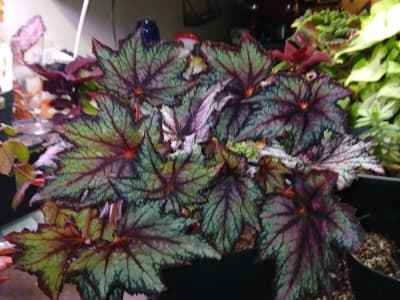
Real plants of this species grown and shared by the MyFloralVault community.

More in General






Was this helpful?
0 · 0
Care Guide Available
Learn how to grow and care for Darwin's Slipper at home