Dahlia Aphrodite
Dahlia Pinnata

Medicinal Facts
Dahlia Pinnata, commonly known as Dahlia Aphrodite, is renowned for its unique inulin content, a polysaccharide with prebiotic and metabolic regulatory properties. This plant sits at the intersection of traditional Mesoamerican medicine, where it was used for its diuretic and anti-inflammatory effects, and modern nutritional research, which explores its role in gut health and metabolic syndrome management. The tubers are particularly valued for their high inulin concentration, which has implications for blood sugar regulation and gut microbiota modulation. Despite its ornamental appeal, the Dahlia's medicinal potential is increasingly recognized in both ethnobotanical and clinical contexts.
What it helps with
Gut health & prebiotic support
Inulin from Dahlia Pinnata acts as a prebiotic, selectively fermenting in the colon to promote the growth of beneficial bifidobacteria. This fermentation process enhances short-chain fatty acid (SCFA) production, which is crucial for maintaining gut barrier integrity and modulating immune responses. Human trials have demonstrated inulin's ability to improve bowel regularity and support a healthy gut microbiome.
Metabolic syndrome
Inulin influences metabolic health by modulating glucose metabolism and improving insulin sensitivity. It activates the GLP-1 receptor, which enhances insulin secretion and reduces appetite, contributing to weight management. Clinical studies suggest that inulin supplementation can lead to modest reductions in fasting blood glucose and improved lipid profiles.
Blood sugar regulation
The inulin in Dahlia Pinnata slows carbohydrate digestion and absorption, leading to a reduced postprandial glucose response. This action is mediated through the modulation of gut hormones such as GLP-1 and PYY. Evidence from human trials indicates that inulin can help manage blood sugar levels, particularly in individuals with prediabetes or type 2 diabetes.
Cardiovascular health
Inulin contributes to cardiovascular health by lowering serum cholesterol and triglycerides. It achieves this through the upregulation of hepatic LDL receptors and the enhancement of bile acid excretion. Animal studies and some human trials show a correlation between inulin intake and improved lipid profiles, suggesting a protective cardiovascular effect.
Weight management
Inulin's role in weight management is linked to its ability to increase satiety through the modulation of gut hormones like GLP-1 and PYY. By promoting a feeling of fullness, inulin can help reduce caloric intake, which is supported by human studies showing modest weight loss in overweight individuals.
Immune modulation
Inulin modulates immune function by enhancing the production of SCFAs, which have anti-inflammatory properties. This action is mediated through the activation of GPR43 and GPR41 receptors on immune cells. Preclinical studies indicate that inulin can support immune health by reducing systemic inflammation.
Diuretic & anti-inflammatory effects
Traditionally, Dahlia Pinnata was used for its diuretic and anti-inflammatory properties. These effects are thought to be mediated through the modulation of renal function and the inhibition of pro-inflammatory cytokines such as TNF-a and IL-6. Ethnobotanical evidence supports these uses, although clinical validation is limited.
Key active compounds
Inulin
A fructan polysaccharide that acts as a prebiotic. It ferments in the colon to produce SCFAs, which support gut health and modulate glucose metabolism. Inulin's bioavailability is high, making it effective in dietary interventions.
Fructooligosaccharides (FOS)
Short-chain oligosaccharides that enhance the growth of beneficial gut bacteria. FOS are less fermentable than inulin but contribute to overall prebiotic effects and SCFA production.
Chlorogenic acid
A polyphenol with antioxidant properties. It inhibits glucose-6-phosphatase, reducing hepatic glucose output and contributing to blood sugar regulation.
Quercetin
A flavonoid with anti-inflammatory and antioxidant effects. It inhibits NF-kB signaling, reducing the expression of pro-inflammatory cytokines.
Kaempferol
A flavonoid that modulates oxidative stress and inflammation. It activates Nrf2, enhancing the expression of antioxidant enzymes.
Anthocyanins
Pigments with potent antioxidant activity. They scavenge free radicals and may support vascular health by improving endothelial function.
Saponins
Compounds with potential cholesterol-lowering effects. They bind to bile acids, facilitating their excretion and reducing serum cholesterol levels.
What the research says
Research on Dahlia Pinnata focuses primarily on its inulin content and associated health benefits. Human studies highlight inulin's role in gut health and metabolic regulation, with evidence supporting its use in improving bowel regularity and modulating blood glucose levels. Preclinical studies further explore its potential in cardiovascular and immune health, although human trials are less extensive in these areas. The main limitation is the variability in inulin content across different Dahlia cultivars, which can affect efficacy. Standardization of inulin extracts is a common approach to address this issue, ensuring consistent therapeutic outcomes.
Typical dosage
There is no established dosage for Dahlia pinnata due to its limited use in herbal medicine. For ornamental and traditional applications, specific dosages are not applicable. If using the plant for its inulin content, it is advisable to consult with a healthcare professional for guidance on appropriate use and potential benefits.
About Dahlia Aphrodite
Traditional Use
Preparations & Dosage
Preparations
- Infusion: To prepare an infusion, steep 1-2 teaspoons of dried dahlia petals in a cup of boiling water for 10-15 minutes. Strain and serve warm.
- Poultice: Crush fresh dahlia petals and mix with a small amount of water to form a paste. Apply directly to the skin as needed.
Interactions & Warnings
Use with caution
Dahlia pinnata is generally considered safe for ornamental and traditional uses. However, individuals with allergies to plants in the Asteraceae family should handle it with caution. There are no significant toxic effects reported, but ingestion is not recommended without proper knowledge.
Community Plants
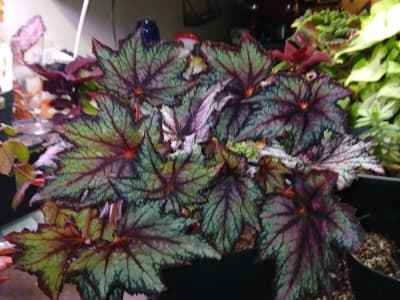
Real plants of this species grown and shared by the MyFloralVault community.

More in General




Was this helpful?
0 · 0