Chinese Dodder
Cuscuta Chinensis
Medicinal Facts
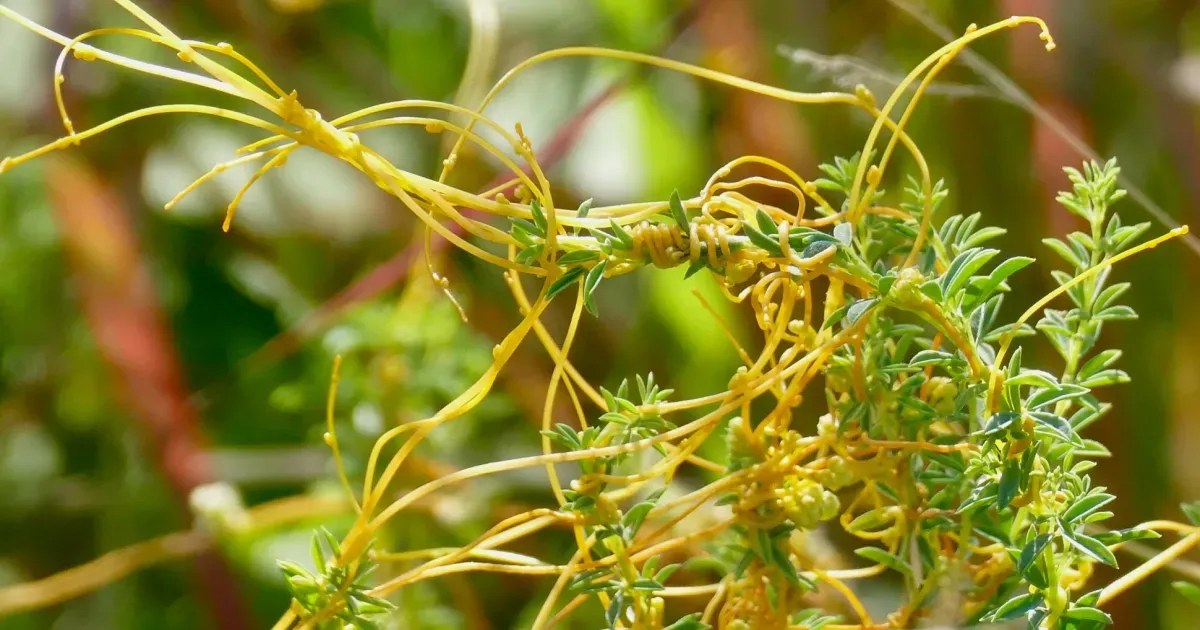
Cuscuta chinensis, commonly known as Chinese Dodder, is renowned for its bioactive lignans, flavonoids, and polysaccharides. It sits at the intersection of traditional Chinese medicine, where it is used for reproductive health and liver support, and modern pharmacological research, which examines its antioxidant and immunomodulatory properties. The plant's unique parasitic nature contributes to its diverse phytochemical profile, making it a subject of interest for both ethnobotanical studies and contemporary clinical research.
What it helps with
Reproductive health
Cuscuta chinensis is traditionally used to support reproductive health, particularly in men. Its lignans, such as kaempferol, are thought to modulate testosterone levels by inhibiting the enzyme 5-alpha-reductase, which converts testosterone to dihydrotestosterone (DHT). This mechanism is supported by animal studies and traditional use, though human clinical trials are limited.
Liver protection
The flavonoids in Cuscuta chinensis, including quercetin, activate the Nrf2 pathway, leading to increased expression of antioxidant enzymes like glutathione S-transferase. This action helps mitigate oxidative stress in hepatocytes, a finding supported by preclinical models. Traditional use aligns with these findings, where the herb is employed to support liver function.
Immune modulation
Polysaccharides from Cuscuta chinensis have been shown to enhance immune function by stimulating macrophage activity and cytokine production, such as IL-6 and TNF-alpha. These effects have been demonstrated in vitro and in animal studies, suggesting potential benefits in immune support, though human evidence is still emerging.
Antioxidant support
The plant's flavonoids, notably kaempferol and quercetin, exert strong antioxidant effects by scavenging free radicals and upregulating endogenous antioxidant defenses through the Nrf2 pathway. This has been observed in vitro and in animal studies, providing a biochemical basis for its traditional use in promoting overall vitality.
Kidney health
Cuscuta chinensis is traditionally used to support kidney health, with its polysaccharides showing potential to protect renal cells from oxidative damage. This is achieved through the modulation of oxidative stress pathways and the enhancement of antioxidant enzyme activities, as demonstrated in animal models.
Eye health
Research suggests that the flavonoids in Cuscuta chinensis may support eye health by reducing oxidative stress in retinal cells. This is mediated through the activation of the Nrf2 pathway and the inhibition of apoptosis-related pathways, as shown in preclinical studies.
Anti-inflammatory effects
The lignans and flavonoids in Cuscuta chinensis inhibit the NF-kB pathway, reducing the expression of pro-inflammatory cytokines such as IL-1beta and TNF-alpha. This mechanism has been validated in vitro and in animal models, aligning with its traditional use for inflammatory conditions.
Longevity & cellular aging
Cuscuta chinensis may influence longevity and cellular aging through the activation of sirtuin pathways, particularly SIRT1, and the enhancement of telomerase activity (TERT). These effects, primarily observed in vitro, suggest a role in cellular maintenance and longevity, a promising area of research that aligns with its traditional use for vitality.
Key active compounds
Kaempferol
A flavonoid that inhibits 5-alpha-reductase and modulates androgenic activity, contributing to its use in reproductive health. It also exhibits antioxidant properties by activating the Nrf2 pathway.
Quercetin
A potent antioxidant flavonoid that scavenges free radicals and enhances the Nrf2 pathway. It is involved in liver protection and immune modulation.
Polysaccharides
Complex carbohydrates that enhance immune function by stimulating macrophage activity and cytokine production. They also contribute to kidney and liver health through antioxidant mechanisms.
Lignans
Phytoestrogenic compounds that may modulate hormone levels and exhibit anti-inflammatory effects by inhibiting the NF-kB pathway.
Cuscuta glycosides
Bioactive compounds that contribute to the plant's antioxidant and hepatoprotective effects, potentially modulating oxidative stress pathways.
Beta-sitosterol
A phytosterol that may support cardiovascular health by modulating cholesterol absorption and exhibiting anti-inflammatory properties.
Hyperoside
A flavonoid glycoside with antioxidant properties, contributing to the plant's overall protective effects against oxidative stress.
What the research says
Research on Cuscuta chinensis is focused on its antioxidant, immune-modulatory, and reproductive health benefits. Lignans and flavonoids like kaempferol and quercetin have the strongest preclinical evidence, with studies demonstrating their role in modulating oxidative stress and hormone levels. Polysaccharides are primarily studied for their immune-enhancing effects in vitro and in animal models. The main limitation in translating these findings to human health is the lack of large-scale clinical trials. Efforts to improve bioavailability and standardize extracts are ongoing, aiming to better harness the plant's therapeutic potential.
Typical dosage
For decoctions, use 10-15 grams of Cuscuta Chinensis seeds per day, boiled in water for 20-30 minutes. As a powder, take 3-6 grams daily, mixed with water or juice. Capsules typically contain 500 mg of extract, with a recommended dose of 1-2 capsules twice daily. Tinctures can be taken at a dose of 2-4 ml, up to three times per day. Always start with a lower dose to assess tolerance.
About Chinese Dodder
Traditional Use
Preparations & Dosage
Preparations
- Decoction: Boil 10-15 grams of Cuscuta Chinensis seeds in 500 ml of water for 20-30 minutes. Strain and drink the liquid, up to twice daily.
- Powder: Grind dried seeds into a fine powder. Take 3-6 grams daily, mixed with water or juice.
- Capsule: Take 1-2 capsules (500 mg each) twice daily with meals.
- Tincture: Take 2-4 ml of tincture up to three times daily, diluted in water or juice.
Interactions & Warnings
Use with caution
Cuscuta Chinensis should be used with caution, particularly in individuals with liver disease or those taking medications that affect liver function. Pregnant or breastfeeding women should avoid its use due to insufficient safety data. Always consult a healthcare provider before use.
Herb Interactions
May affect liver enzyme activity, potentially altering the metabolism of medications.
Community Plants
Real plants of this species grown and shared by the MyFloralVault community.

More in Hormonal Balance



Was this helpful?
0 · 0